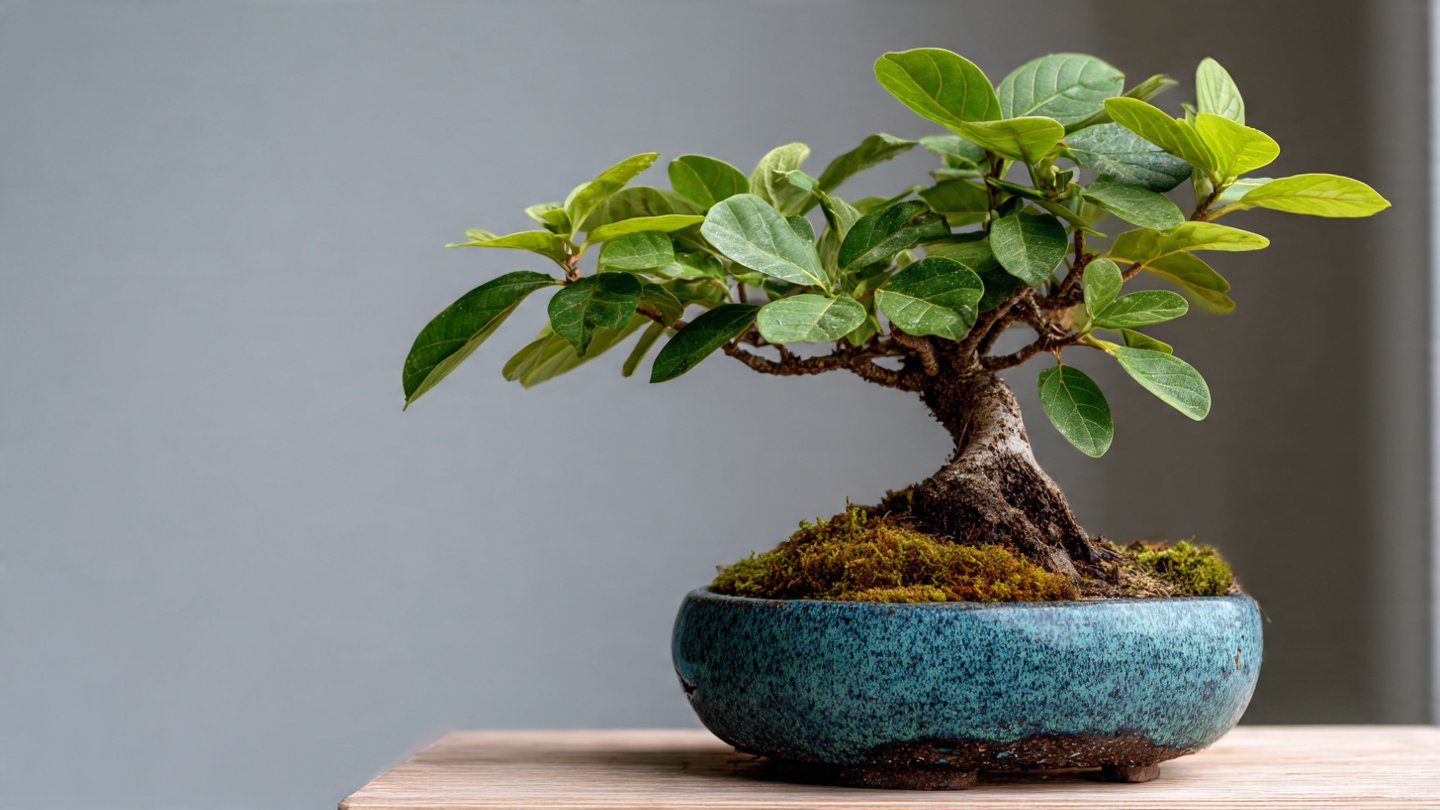
Guava plants (Psidium guajava) are beloved for their aromatic fruits and vibrant green foliage, making them a delightful addition to any garden. With their adaptability to pot culture and the right training, these plants can be morphed into stunning mini bonsai specimens. This guide will explore the essentials of nurturing your guava plant into a beautiful bonsai, along with maintenance techniques and care tips for all skill levels.
Understanding the Guava Plant
Before embarking on your bonsai journey, it’s vital to understand the characteristics of the guava plant. Here are some key points:
- Growth Habit: Guava plants are fast-growers with a range of potential heights. They can reach up to 10-15 feet in the wild, but bonsai cultivation keeps them at a manageable size.
- Leaves: The plant features oval-shaped, leathery leaves that provide a lush backdrop for the training process.
- Flowers and Fruit: Guava plants produce white or pink flowers followed by small fruits, reflecting their tropical origins.
Getting Started: Choosing the Right Guava Variety
When selecting a guava for bonsai training, consider the following varieties that adapt well to pot culture:
- Common Guava (Psidium guajava): Known for its sweet fruit; it has vibrant leaves suitable for bonsai.
- Strawberry Guava (Psidium cattleianum): Smaller and bushier, this variety has aromatic fruit and makes an excellent bonsai.
Essential Tools and Materials
Before beginning your bonsai training:
- Containers: Choose a shallow pot for good drainage. Bonsai pots offer aesthetic appeal and functionality.
- Soil: Use a well-draining mix, ideally a commercial bonsai soil blend that retains moisture without becoming waterlogged.
- Tools: Invest in quality bonsai tools, including pruning shears, wire, and a root rake for shaping and training your plant effectively.
Step-by-Step Training Process
Step 1: Initial Planting
- Choose a Healthy Plant: Opt for a young guava plant that is approximately 1-2 years old, ensuring it has a healthy root system.
- Repotting: Carefully remove the plant from its nursery container. Trim any overly lengthy roots while minimizing damage to the root ball. Repot in your chosen bonsai container with fresh soil.
Step 2: Shaping Your Guava Bonsai
-
Establishing the Trunk:
- Select a Central Leader: Identify the main trunk and prune any competing branches to encourage upward growth.
- Wiring: Use aluminum or copper wire to shape the trunk. Carefully wrap the wire around the trunk and branches, bending them gently to create the desired angles. Take care not to damage the bark.
-
Branch Structure:
- Pruning: Regularly prune new growth to build a strong structure. Aim for a tapered trunk with thick base and thinner top.
- Secondary Branches: Choose one or two primary branches as the focal points. Prune excess branches to focus growth on your selected parts.
-
Developing Foliage: Encourage bushier growth by pinching back new shoots. This will not only promote leaf density but will also help in maintaining the shape.
Step 3: Watering and Nutrition
- Watering: Guava bonsai plants prefer consistently moist but well-drained soil. Check moisture levels regularly; water when the top inch of soil feels dry.
- Fertilization: Use a balanced liquid fertilizer during the growing season (spring to early summer) to support growth. Aim for a fertilizer ratio of 2:1:2 (N-P-K).
Step 4: Seasonal Care
- Sunlight: Place your guava bonsai in a location with full sun for at least 6 hours a day, particularly during the growing season. Consider some light shade during the hottest days.
- Temperature: Guava plants thrive in warm climates; they are sensitive to cold temperatures. Protect your bonsai from frost, especially during winter.
Step 5: Repotting and Root Pruning
Plan to repot your guava bonsai every 1-2 years, depending on its growth rate:
- Root Pruning: During repotting, safely trim the outer roots and those that are circling the root ball.
- Refreshing Soil: Replace the old soil with a fresh bonsai mix and prune any broken or unhealthy roots.
Style Techniques for Guava Bonsai
- Formal Upright Style: Ideal for beginners, this style emphasizes a straight trunk and uniform branching, creating a classic look.
- Informal Upright Style: A more natural approach, this style allows for curves in the trunk, mimicking the organic shapes seen in nature.
- Cascade Style: If the branches cascade over the sides of the pot, it creates a dramatic effect and is suitable for more advanced trainers.
Common Problems and Solutions
- Leaf Drop: Excess heat or too little water can cause leaves to fall. Adjust your watering schedule and monitor sunlight exposure.
- Pests: Aphids and whiteflies can affect guava trees. Regularly check for signs and apply insecticidal soap if needed.
- Root Rot: Overwatering can cause root rot, which is highly detrimental. Ensure pots have proper drainage and adjust your watering routine.
FAQs
1. How long does it take for a guava bonsai to mature?
Typically, a guava bonsai can take several years to reach maturity, depending on the size and training technique used. Consistent care will expedite growth.
2. Can I grow guava bonsai indoors?
Yes, guava bonsai can be grown indoors as long as they receive sufficient sunlight. Consider placing them near south-facing windows.
3. How often should I prune my guava bonsai?
Regular pruning is essential for maintaining shape and density. You can prune every 4-6 weeks during the growing season.
4. What should I do if my guava bonsai flowers but doesn’t fruit?
Insufficient light, improper water, or nutrient levels can affect fruiting. Ensure the plant receives adequate sunlight and proper fertilization.
5. Is it possible to propagate guava bonsai?
Yes, guava can be propagated through seeds or cuttings. For cuttings, take a healthy stem section, allow it to callous, and then plant it in well-draining soil.
Conclusion
Training a guava plant into a mini bonsai is a rewarding endeavor that combines artistry with horticulture. With patience and proper techniques, both beginners and experienced bonsai enthusiasts can enjoy creating and maintaining these beautiful plants. With careful attention to pruning, watering, and seasonal care, a guava bonsai can thrive and even bear fruit, marrying functionality with aesthetic beauty. Happy gardening!