1. Introduction to Monk Fruit
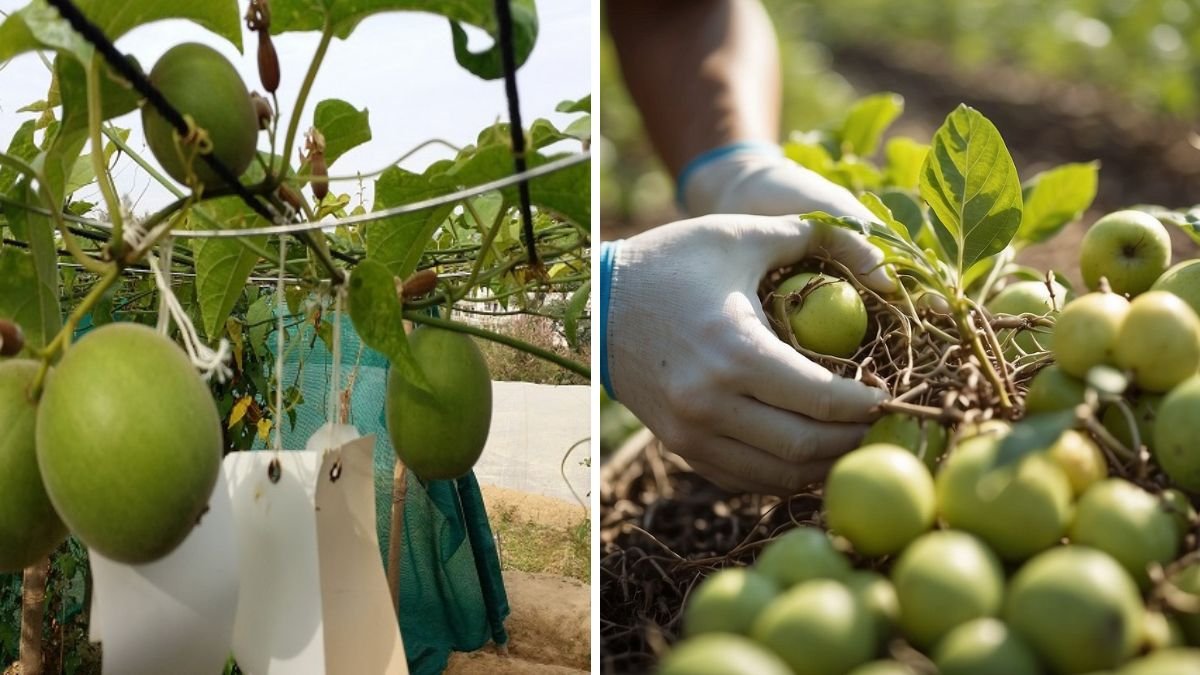
Monk fruit is a unique vine grown mainly for its natural sweetness. It has been used in traditional Chinese medicine for centuries. In modern agriculture, monk fruit is gaining global popularity. The fruit is valued for its zero-calorie sweetness. It grows on climbing vines rather than trees. Understanding its life cycle helps farmers and gardeners. Each stage requires specific care. This article explains the complete process.
2. Origin and Botanical Background
Monk fruit originates from southern China. It belongs to the gourd family. The plant grows as a perennial vine. Leaves are heart shaped and soft. Flowers are small and pale. Fruits are round and green. The plant prefers mountain climates. Botanical knowledge improves cultivation success.
3. Climate Requirements
Monk fruit thrives in warm and humid climates. Moderate rainfall supports healthy growth. Extreme heat stresses vines. Frost damages plants severely. Cool nights improve fruit quality. Mountain regions provide ideal conditions. Climate stability is essential. Environmental balance ensures productivity.
4. Soil Preparation
Soil must be loose and fertile. Well draining soil prevents root rot. Organic matter improves moisture retention. Slightly acidic soil is ideal. Raised beds improve drainage. Soil preparation begins before planting. Healthy soil supports vine strength. Good soil is the foundation.
5. Seed Selection and Germination
High quality seeds ensure uniform growth. Fresh seeds germinate better. Seeds require warmth to sprout. Germination takes several weeks. Moist soil supports sprouting. Avoid waterlogging seedlings. Early care determines plant vigor. Germination is a delicate stage.
6. Nursery Stage
Seedlings are grown in protected nurseries. Shade protects young plants. Regular watering supports growth. Seedlings develop strong roots. Weak plants are discarded. Nursery care improves survival rate. This stage lasts several weeks. Healthy seedlings ensure success.
7. Transplanting to Field
Seedlings are transplanted during mild weather. Soil must be prepared beforehand. Gentle handling prevents root damage. Spacing allows vine spread. Immediate watering reduces shock. Support structures are installed early. Transplanting sets growth direction. Care is crucial.
8. Vine Growth and Training
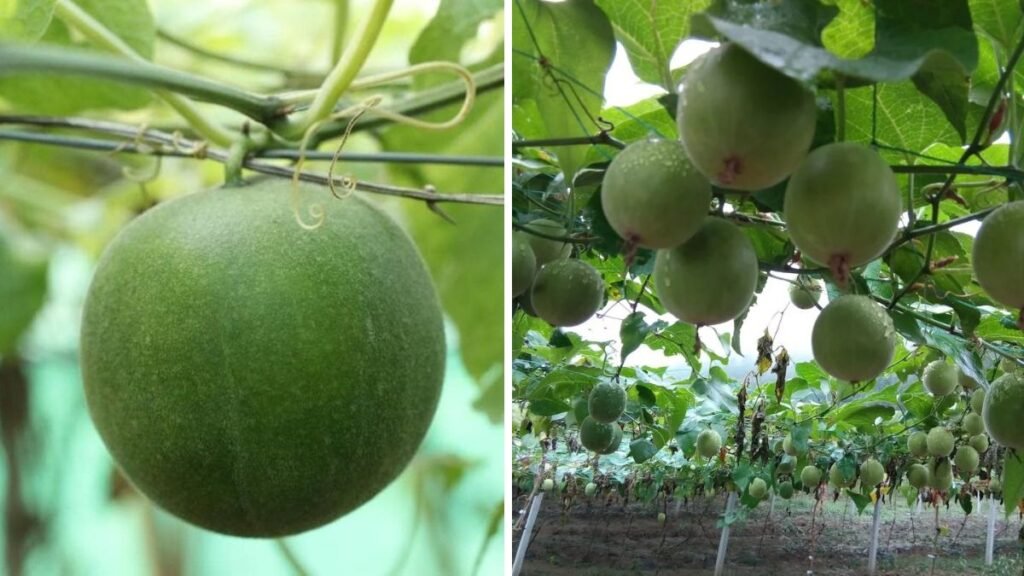
Monk fruit vines grow rapidly. Support systems guide upward growth. Trellises improve air circulation. Proper training prevents tangling. Strong vines support heavy fruit. Regular monitoring is needed. Vine management improves yield. Training is essential.
9. Leaf Development
Healthy leaves support photosynthesis. Leaves expand rapidly during growth. Adequate nutrition improves leaf color. Pest free leaves increase productivity. Damaged leaves reduce energy. Leaf health affects fruit size. Monitoring leaf condition is important. Leaves drive growth.
10. Flowering Stage
Flowers appear after vegetative growth. Male and female flowers are separate. Pollination is essential for fruit set. Bees assist pollination naturally. Flowering occurs during warm seasons. Healthy flowers indicate strong plants. Weather affects bloom success. Flowering is critical.
11. Pollination Process
Natural pollination depends on insects. Manual pollination improves yield. Farmers often hand pollinate. Successful pollination ensures fruit formation. Lack of pollination causes flower drop. Timing is crucial. Gentle handling protects flowers. Pollination determines harvest.
12. Fruit Development
Fruits develop slowly after pollination. Early fruit is green and firm. Nutrient supply affects size. Adequate water supports development. Stress causes fruit drop. Fruits enlarge steadily over months. Patience is required. Development stage defines quality.
13. Pest and Disease Control
Monk fruit vines face pests and fungi. Regular inspection prevents spread. Organic sprays are preferred. Good airflow reduces disease risk. Clean farming practices help. Early control saves crops. Healthy vines resist pests. Prevention is key.
14. Nutrient Management
Balanced nutrition supports vine growth. Organic compost improves soil health. Nitrogen supports foliage growth. Potassium improves fruit quality. Excess fertilizer harms plants. Feeding schedules must be followed. Nutrition affects sweetness levels. Balanced feeding is essential.
15. Water Management
Consistent moisture supports vines. Overwatering causes root problems. Drip irrigation works best. Mulching retains moisture. Dry stress reduces yield. Water needs vary by stage. Monitoring prevents mistakes. Water management is crucial.
16. Maturity Indicators
Mature fruits change color slightly. Rind becomes firm. Size reaches full potential. Internal sweetness develops late. Harvest timing affects quality. Premature harvest reduces sweetness. Visual cues guide harvesting. Maturity determines value.
17. Harvesting Techniques
Harvesting is done carefully by hand. Fruits are cut from vines. Avoid damaging stems. Harvest during dry weather. Gentle handling prevents bruising. Proper tools improve efficiency. Harvest timing is critical. Care ensures quality.
18. Post Harvest Processing
Fruits are cleaned after harvest. Drying preserves sweetness. Controlled drying enhances flavor. Storage conditions affect quality. Processing converts fruit to sweetener. Proper handling maintains value. Post harvest care is essential.
19. Economic Importance
Monk fruit has high market value. Demand is increasing globally. Farmers earn premium income. Sustainable farming supports livelihoods. Export opportunities are growing. Low calorie sweeteners are in demand. Economic benefits are significant.
20. Conclusion
The life cycle of monk fruit requires patience and precision. Each stage plays a vital role. Proper cultivation ensures high quality harvests. Modern techniques improve productivity. Monk fruit farming is sustainable and profitable. Understanding the life cycle ensures success. This crop has a bright future. Knowledge leads to better results.
📊 Table: Monk Fruit Life Cycle Overview
| Stage | Key Requirement | Outcome |
|---|---|---|
| Germination | Warm moist soil | Healthy seedlings |
| Flowering | Pollination | Fruit set |
| Development | Nutrition and water | Sweet fruit |
| Harvest | Proper timing | High quality yield |