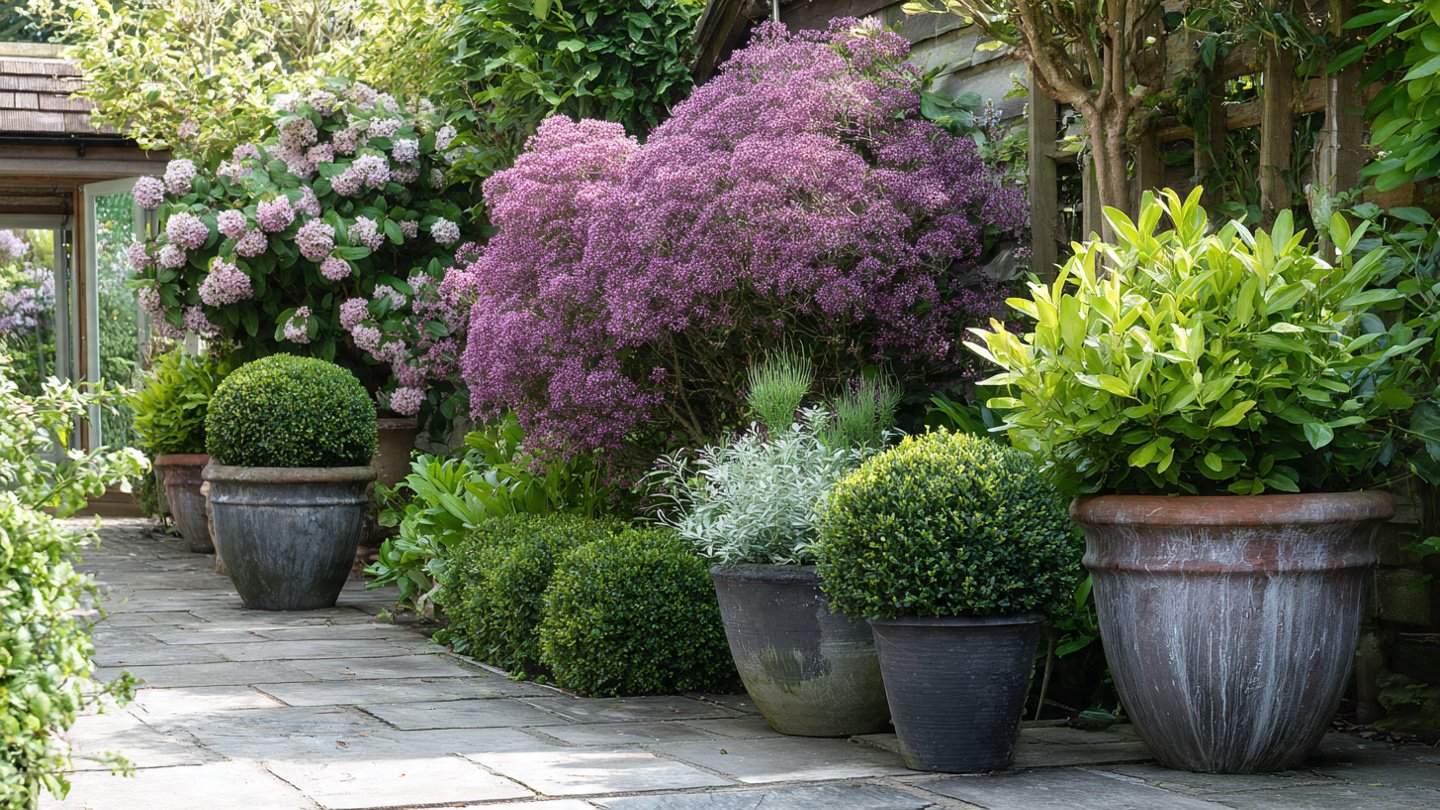
Creating a beautiful garden doesn’t have to be a time-consuming chore. The key lies in choosing the right plants that suit your landscape style while requiring minimal upkeep. In this guide, we’ll explore various types of low-maintenance plants, tips for arrangement, and how to create a stunning landscape that is both practical and inviting.
Understanding Low Maintenance Gardening
What Does Low Maintenance Mean?
Low maintenance gardening involves selecting plants that require little water, minimal pruning, and a reduced need for fertilizers and pesticides. This approach allows busy individuals to enjoy a beautiful outdoor space without the extensive time commitment.
Benefits of Low Maintenance Gardens
- Time-Saving: Less time spent on gardening translates to more leisure time for you.
- Water Efficiency: Many low-maintenance plants are drought-resistant, reducing the need for frequent watering.
- Cost-Effective: Lower maintenance costs mean saving money on gardening supplies and labor.
- Ecological Impact: Native and drought-resistant plants foster biodiversity and attract pollinators.
Choosing the Right Plants for Your Landscape
When selecting low-maintenance plants, consider the following factors:
1. Climate and Hardiness Zone
Depending on your geographic location, certain plants may thrive better than others. Check your USDA Hardiness Zone to identify the best plants for your climate.
2. Soil Type
Understanding your soil type (sand, clay, loam) is critical. Some plants prefer well-drained soil, while others can tolerate poor conditions.
3. Sun Exposure
Assess how much sunlight your garden receives daily:
- Full Sun: 6+ hours of sunlight
- Partial Shade: 3-6 hours of sunlight
- Full Shade: Less than 3 hours of sunlight
4. Style of Landscape
Your landscape style will influence your plant choices. Below are some suggestions tailored to various garden styles.
Low Maintenance Plant Choices by Landscape Style
1. Modern Minimalist Garden
A modern garden often features clean lines, geometric shapes, and a limited color palette. Opt for the following plants:
- Ornamental Grasses: Varieties like Calamagrostis acutiflora (Feather Reed Grass) require little care while adding texture.
- Succulents: Plants such as Sedum and Echeveria are perfect for adding a modern touch without the need for much water.
- Cacti: Great for xeriscaping, cacti require minimal watering and come in various shapes and sizes.
2. Cottage Garden
Cottage gardens are renowned for their charming, informal style rich with flowering plants. Low-maintenance options include:
- Lavender (Lavandula angustifolia): Hardy, drought-resistant, and aromatic, lavender thrives in well-drained soil.
- Daylilies (Hemerocallis): These vibrant perennials are resilient and bloom reliably with minimal care.
- Black-eyed Susans (Rudbeckia hirta): Bright yellow flowers that require little attention and attract pollinators.
3. Tropical Oasis
Transform your garden into a tropical paradise with these low-maintenance plants:
- Ornamental Bamboo: Hardy and adaptable, bamboo creates a lush atmosphere with minimal upkeep.
- Croton (Codiaeum variegatum): This colorful foliage plant thrives in warmth and adds a tropical vibe.
- Bird of Paradise (Strelitzia reginae): Known for its striking appearance, this plant is both a showstopper and easy to care for.
4. Xeriscaping
If water conservation is your priority, consider these drought-tolerant plants:
- Agave: With its sculptural shape, agave requires little water and thrives in arid conditions.
- Lantana: A colorful flowering shrub that attracts butterflies and needs minimal watering.
- Russian Sage (Perovskia atriplicifolia): Known for its silver foliage and purple flowers, it’s both drought-tolerant and beautiful.
5. Traditional Garden
Traditional gardens boast a classic charm. Fill your garden with these low-maintenance staples:
- Boxwood: This evergreen shrub is perfect for formal hedges and requires little pruning.
- Hydrangeas: Stunning blooms that flourish in various conditions, depending on the species.
- Perennials like Hostas and Peonies: Burst with colors and textures while needing minimal care after established.
Arranging Your Low Maintenance Plants
1. Consider Plant Form and Texture
Arrange plants based on their form, height, and texture. Opt for taller plants at the back, mid-sized plants in the middle, and shorter plants at the front to create layers.
2. Grouping Similar Plants
Group plants with similar water, sunlight, and care requirements together to simplify maintenance. This also enhances the visual appeal of your landscape.
3. Utilize Focal Points
Include focal points such as sculptures or trellises, and balance them with surrounding plant arrangements for a more captivating design.
4. Seasonal Interest
Incorporate a mix of plants that bloom at different times of the year. This practice ensures your garden appears vibrant throughout the seasons.
5. Hardscaping Elements
Incorporate paths, rocks, or mulch to reduce weeds and retain moisture. Hardscaping can also enhance the structure of your garden.
6. Mulching
Applying mulch around plants can not only deter weeds but also help retain soil moisture and regulate temperature.
Maintenance Tips for Low-Maintenance Gardens
Even low-maintenance gardens require some care. Here are a few essential tips:
-
Pruning: While some plants don’t require much trimming, periodic deadheading of flowers can encourage more blooms.
-
Watering: Incorporate drip irrigation or soaker hoses to minimize water wastage and improve efficiency.
-
Weeding: Regularly check for weeds, especially early in the growing season when they are easier to manage.
-
Fertilizing: Use slow-release organic fertilizers once or twice a year to provide essential nutrients without overwhelming the plants.
-
Pest Management: Choose native plants that attract beneficial insects like ladybugs and lacewings to manage pests naturally.
FAQs
Q1: What are the best low-maintenance perennials for my garden?
Some popular low-maintenance perennials include Sedum, Lavender, Daylilies, and Black-eyed Susans. They bloom beautifully and require little upkeep.
Q2: How can I water low-maintenance plants effectively?
Implement a drip irrigation system or soaker hoses that deliver water directly to the root zone, ensuring efficient and minimal watering.
Q3: Are there truly low-maintenance plants that require no care at all?
While all plants require some care, many options, such as succulents and certain perennials, require minimal effort once established.
Q4: How do I create seasonal interest in a low-maintenance garden?
Choose a variety of plants that bloom throughout the different seasons. Incorporating evergreens can provide structure and greenery during the off-season.
Q5: Is it necessary to mulch, and what benefits does it bring?
Yes, mulching is highly beneficial. It suppresses weeds, retains moisture, and enriches soil as it breaks down over time.
By thoughtfully selecting and arranging low-maintenance plants, you can design a beautiful garden that reflects your style while minimizing the workload. Whether you prefer a modern, cottage, tropical, xeriscaped, or traditional garden, this guide equips you with the knowledge to create a stunning space that enhances your home and lifestyle. Enjoy gardening at your own pace and relish the beauty of nature with less hassle!