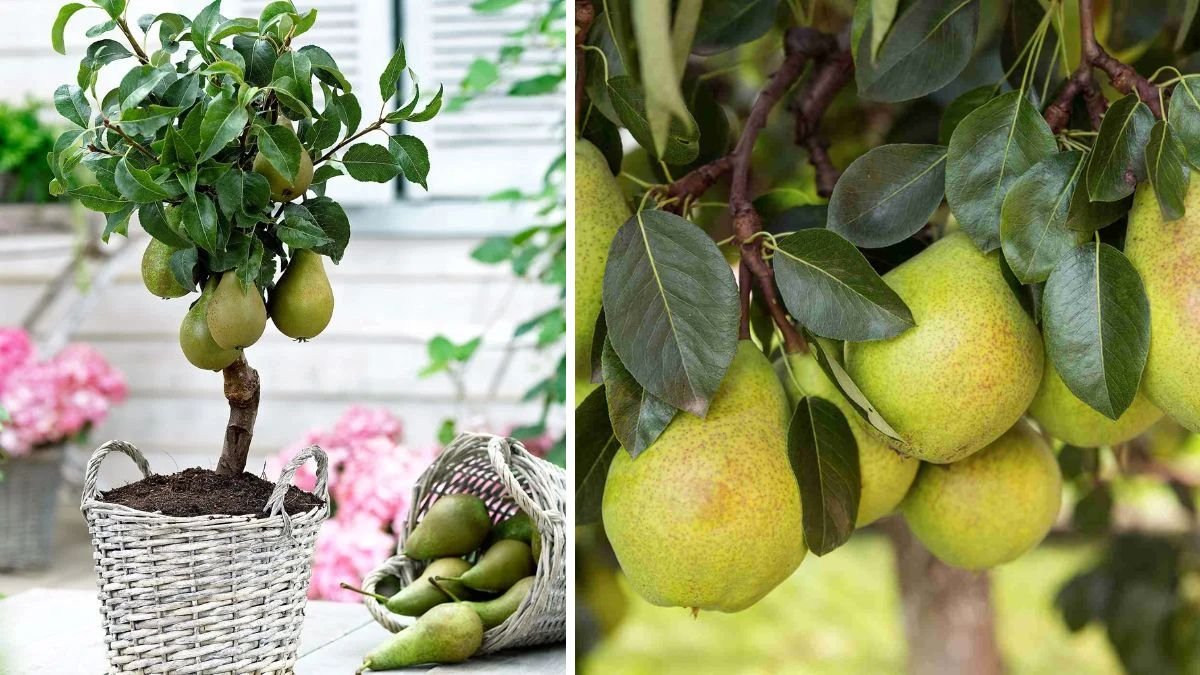
Growing pear trees at home can be a rewarding experience, yielding delicious fruit and enhancing your garden aesthetics. However, the success of your pear tree largely depends on the quality of the soil mix you provide. This comprehensive guide will walk you through creating the perfect soil mix, ensuring your pear trees thrive.
Understanding Soil Properties
Before diving into soil mix recipes, it’s crucial to understand what characteristics make soil ideal for pear trees. Good soil should be:
- Well-draining: Pear trees are susceptible to root rot if they sit in waterlogged soil.
- Aerated: Roots require oxygen to grow properly, so your soil mix should promote aeration.
- Nutritious: A mix rich in organic matter provides essential nutrients that trees need.
- pH Balanced: Pear trees prefer slightly acidic to neutral pH (around 6.0 to 7.0).
Essential Ingredients for a Perfect Soil Mix
Creating a well-balanced soil mix involves several components, each contributing to the overall health of your pear trees.
1. Base Components
a. Topsoil
Topsoil is the uppermost layer of soil and is generally rich in organic matter. When selecting topsoil, look for a dark, crumbly texture, and avoid any with large clumps, debris, or contaminants.
b. Compost
Compost adds necessary nutrients and improves the soil’s structure. Decomposed organic material retains moisture and provides beneficial microorganisms, promoting healthy root growth.
c. Peat Moss or Coconut Coir
Both materials improve soil aeration and moisture retention. Peat moss is lightweight but may have environmental impacts from harvesting. Coconut coir is a sustainable choice, providing similar benefits.
d. Perlite or Vermiculite
These materials enhance drainage and aeration. Perlite is lightweight volcanic glass that helps with drainage, while vermiculite retains moisture but allows for airflow—a balance that is crucial for root health.
2. Amendments
a. Sand
Adding coarse sand can assist with drainage but should be mixed carefully. A ratio of 1 part sand to 3 parts soil is often ideal for preventing compacting.
b. Gypsum
If your soil has high clay content, gypsum helps to improve soil structure and drainage without altering the soil’s pH levels.
3. Organic Fertilizers
To ensure your pear trees receive adequate nutrients, consider adding organic fertilizers such as:
- Bone meal for phosphorus.
- Fish emulsion or seaweed extract for trace minerals.
- Kelp meal to enhance nutrient absorption.
Creating the Perfect Soil Mix
Step-by-Step Recipe
For a general-purpose soil mix for your pear trees, consider this ratio:
- 40% Topsoil
- 30% Compost
- 20% Peat Moss or Coconut Coir
- 5% Perlite or Vermiculite
- 5% Coarse Sand
Instructions:
- Gather Materials: Collect all your ingredients and have them ready for mixing.
- Mix Base Components: In a large container or wheelbarrow, combine topsoil, compost, peat moss, perlite, and sand.
- Check Consistency: Ensure the mix has a light, fluffy texture. It should hold moisture but not feel soggy.
- Test the pH: Use a soil pH test kit to check that the pH lies between 6.0 and 7.0. If it’s too acidic, incorporate lime; if too alkaline, mix in sulfur.
- Add Fertilizers: Add organic fertilizers according to the package instructions, ensuring not to over-fertilize, as this can harm the roots.
Maintaining Healthy Soil
Creating the perfect mix is just the beginning. Soil health must be maintained for continuous growth.
1. Mulching
Applying a layer of organic mulch (like wood chips or straw) helps retain moisture, reduce weeds, and add nutrients as it decomposes.
2. Watering
Ensure your pears receive consistent watering, particularly during dry spells. Test the soil moisture before watering to avoid over or under-watering.
3. Fertilizing
Replenish nutrients annually with organic fertilizers, especially in early spring as the trees begin to bud.
4. Soil Testing
Performing regular soil tests every 2-3 years will help you monitor nutrient levels and pH balance. Adjust your amendments accordingly.
Common Pear Tree Varieties for Home Garden
Knowing which variety of pear tree to grow can also affect your soil and care regimen. Here are some popular choices:
- Bartlett: Known for sweet, juicy fruit; requires a pollinator.
- Bosc: Offers a unique, spicy flavor; prefers well-drained soil.
- Asian Pear: Crisp and apple-like; often more tolerant of clay soils.
FAQs
1. Can I use garden soil for growing pear trees?
Using garden soil alone is not recommended, as it often lacks the necessary drainage and aeration. It’s better to create a mix tailored for pear trees as discussed.
2. How often should I water my pear trees?
Young pear trees need watering about once a week until established, while mature trees require less frequent watering unless in dry conditions.
3. What are the signs of poor soil for pear trees?
Signs include yellowing leaves, slow growth, and stunted development. Soil tests can provide more information on nutrient levels and pH.
4. Can I grow pear trees in pots?
Yes, dwarf varieties can thrive in pots. Make sure to use a well-draining soil mix and choose a pot large enough to support the root system.
5. Do I need to fertilize my pear trees every year?
It’s advisable to fertilize annually, but the type and amount can depend on soil quality; testing your soil will provide guidance.
6. When is the best time to plant pear trees?
The best time is in early spring or fall when they are dormant. This gives them a head start before the growing season.
7. How can I improve compacted soil?
Incorporate organic matter such as compost and gypsum, and avoid walking on the soil or heavy machinery to prevent further compaction.
8. What pests should I watch for with pear trees?
Common pests include aphids, pear psylla, and codling moths. Regular inspection and organic pest control can help manage these issues.
9. How long does it take for pear trees to bear fruit?
Most pear varieties will begin bearing fruit within 3 to 5 years if properly cared for.
10. What should I do in winter for my pear trees?
In colder climates, protect your trees from heavy snowfall and frost damage by mulching. Consider wrapping trunks to prevent sunscald.
Conclusion
Creating the perfect soil mix for pear trees involves understanding the essential components and maintaining a healthy soil environment. By following this guide, you can ensure your pear trees grow strong and produce abundant fruit. Happy gardening!