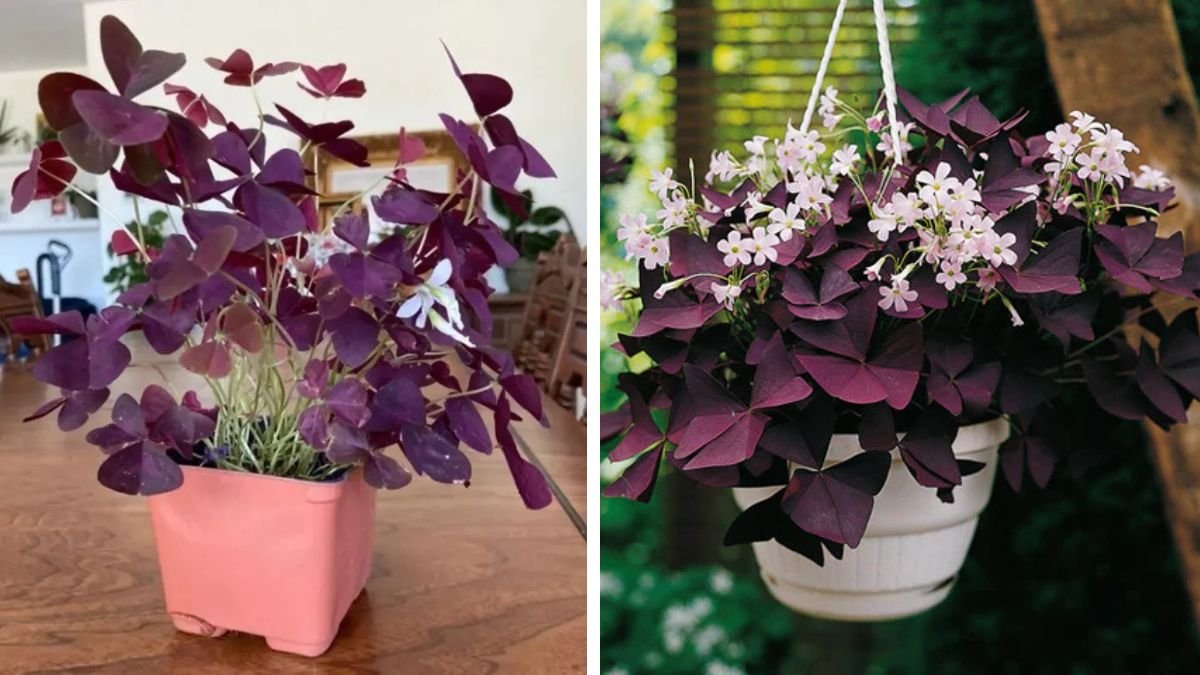
The purple shamrock plant, scientifically known as Oxalis triangularis, is a captivating and relatively easy-to-care-for houseplant that adds a splash of vibrant color to your indoor environment. Characterized by its triangular purple leaves that fold at night and a delicate white or pink flower, this plant has garnered popularity among plant enthusiasts and interior decorators alike. In this comprehensive guide, we’ll explore how to grow a lush purple shamrock plant at home, covering everything from choosing the right pot to troubleshooting common issues. Additionally, a detailed FAQ section at the end will address common queries regarding care and maintenance.
Understanding the Purple Shamrock Plant
Before diving into the specifics of growing your purple shamrock plant, it’s essential to understand its origins and characteristics. Native to Brazil and other tropical regions, the purple shamrock thrives in warm, humid conditions. Its striking leaves have made it a symbol of good luck, often associated with St. Patrick’s Day celebrations.
Characteristics
- Foliage: The primary attraction of the purple shamrock is its stunning foliage. The dark purple leaves are shaped like triangles and grow on slender, delicate stems.
- Flowers: The plant produces small, funnel-shaped blooms, usually white or light pink, that appear in spring and summer.
- Size: Typically, purple shamrock plants reach a height of 12-18 inches (30-45 cm) and spread about 12 inches (30 cm) wide.
- Growth Habit: This plant is a perennial, meaning it can thrive for multiple years when properly cared for.
Choosing the Right Pot and Soil
Selecting the right pot and soil is crucial for the growth of your purple shamrock plant.
Pot Selection
- Size: Choose a pot that is about 2-4 inches larger in diameter than the current root ball of the plant. This will allow room for growth without overwhelming the plant with excess soil.
- Drainage: Ensure the pot has drainage holes to prevent water logging, which can lead to root rot.
Soil Requirements
- Type: A well-draining potting mix is essential. A mix designed for houseplants or one made of peat moss, perlite, and compost will work well.
- pH Level: The ideal pH for purple shamrock is slightly acidic to neutral, ranging from 6.0 to 7.0.
Optimal Growing Conditions
The purple shamrock thrives under specific conditions which mimic its native habitat.
Light Requirements
- Indirect Sunlight: Provide the plant with bright, indirect light. Direct sunlight can scorch the leaves, leading to brown edges. A north or east-facing window is usually ideal.
- Low Light Adaptation: Purple shamrock can tolerate low light but may become leggy, and the vibrant colors may dull without adequate light.
Temperature and Humidity
- Temperature: This plant thrives in temperatures between 60°F and 75°F (15°C to 24°C). Avoid exposing it to temperatures below 50°F (10°C).
- Humidity: High humidity levels encourage healthier growth. To maintain humidity, consider using a humidifier or placing a tray of water and pebbles near the plant.
Watering Your Purple Shamrock Plant
Watering is a critical aspect of caring for your purple shamrock.
Watering Schedule
- Frequency: Allow the top inch of soil to dry out before watering. This typically translates to watering every 1-2 weeks.
- Technique: Water thoroughly until it drains from the bottom of the pot but avoid letting the plant sit in standing water.
Signs of Over or Under-Watering
- Over-Watering: Yellowing leaves and mushy stems are common indicators.
- Under-Watering: Wilting and droopy leaves signal that the plant requires water.
Fertilizing Your Purple Shamrock Plant
To encourage lush growth, regular feeding is crucial.
Types of Fertilizer
- Liquid Fertilizer: Use a balanced, water-soluble fertilizer diluted to half strength every 4-6 weeks during the growing season (spring and summer).
- Organic Options: Consider using well-composted organic fertilizers or worm castings to provide slow-release nutrients.
Pruning and Maintenance
Regular maintenance helps keep your purple shamrock plant healthy and vibrant.
Pruning Techniques
- Removal of Dead Leaves: Regularly check for dead or yellowing leaves and prune them to promote healthy growth.
- Shaping: To maintain a bushy appearance, pinch back longer stems and encourage branching.
Repotting
Repot your purple shamrock every 1-2 years to refresh the soil and provide more space for root growth. Spring is the best time to repot as the plant is actively growing.
Dealing with Pests and Diseases
Like any plant, the purple shamrock can fall victim to pests or diseases.
Common Pests
- Aphids: Small green insects that can be removed by spraying the plant with a strong stream of water.
- Spider Mites: These tiny pests thrive in dry conditions. Increase humidity and wipe the leaves with a damp cloth.
- Mealybugs: Cotton-like pests can be eradicated with insecticidal soap or neem oil.
Disease Prevention
- Fungal Diseases: Watering in the morning can help prevent mold.
- Root Rot: Ensure proper drainage and avoid over-watering.
Encouraging Flowering
The purple shamrock doesn’t just shine in its foliage; it also produces lovely blooms. To encourage flowering:
- Adequate Light: Ensure your plant receives sufficient light during the day.
- Fertilization: Regular feeding during the growth phase will help boost bloom production.
Seasonal Care Tips
Adapting your care routine according to the seasons can optimize your plant’s growth.
Spring and Summer
- Fertilizer: Increase frequency of feeding.
- Watering: Be vigilant about hydration as growth peaks during these months.
Fall and Winter
- Dormancy: The plant may enter a dormant phase, requiring less water and nutrients.
- Light: Ensure it still receives light, even if the intensity is lower due to shorter days.
FAQs
1. Is the purple shamrock plant toxic to pets?
No, the purple shamrock plant is not considered toxic to pets. However, ingestion in large amounts can lead to gastrointestinal upset.
2. Can I grow purple shamrock from bulbs?
Yes! You can propagate the purple shamrock from bulbs or rhizomes. Plant them in well-draining soil, and water them lightly.
3. What do I do if my purple shamrock plant loses its leaves?
If your plant is losing leaves, it may be undergoing dormancy or suffering from improper watering or lighting conditions. Adjust your care routine accordingly.
4. How can I encourage more flowers?
Provide the plant with bright, indirect light and ensure it is properly fertilized during the growing season to promote blooms.
5. How long do purple shamrock plants typically live?
With proper care, purple shamrock plants can thrive for several years, often living beyond five years.
6. Is it normal for the leaves to fold at night?
Yes, the folding of leaves at night is a natural behavior of the purple shamrock and is part of its biology.
Conclusion
Growing a lush purple shamrock plant at home can be a rewarding experience that enhances your living space. With its stunning foliage, ease of care, and beautiful blooms, this plant deserves a spot in your collection. By following the guidelines laid out in this ultimate guide, you can ensure that your purple shamrock remains healthy and vibrant for years to come. Happy gardening!