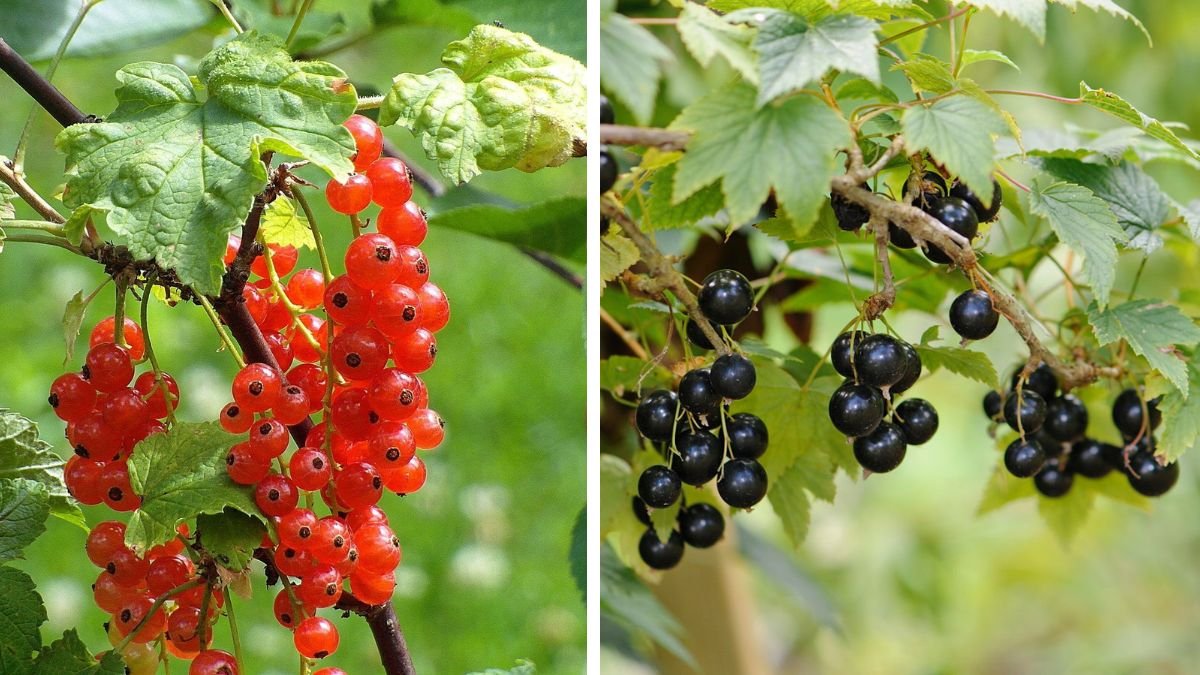
Currants are often overlooked gems in the world of backyard fruits. These small, tart berries offer a wealth of health benefits and can be transformed into delightful jams, jellies, wines, and desserts. With a rich history and ease of cultivation, currants provide an excellent opportunity for any home gardener. This guide will take you through the comprehensive process of selecting, growing, and harvesting currants while addressing frequently asked questions.
1. Understanding Currants
Types of Currants
Before diving into the nitty-gritty of cultivation, let’s start with the basics — what types of currants are out there? The three most common types include:
- Red Currants (Ribes rubrum): Tart and slightly sweet, these are often used in desserts and jellies.
- Black Currants (Ribes nigrum): Known for their strong flavor and rich color, these are popular for jams and wines.
- White Currants (Ribes rubrum var. album): These are essentially pale red currants and are sweet, appealing to those who prefer milder flavors.
Health Benefits
Currants are nutritional powerhouses. They are rich in vitamin C, antioxidants, and dietary fiber. Their compounds are linked to numerous health benefits including improved heart health, better immunity, and anti-inflammatory effects.
2. Site Selection
Sunlight
Currants thrive in full sun but can tolerate partial shade. Ideally, choose a spot with at least 6-8 hours of direct sunlight daily. This will enhance fruit production and improve flavor.
Soil Quality
Currants prefer well-draining, loamy soil rich in organic matter. The ideal pH for currants is slightly acidic, between 6.0 and 6.8. Conduct a soil test to determine pH and nutrient levels.
Drainage and Air Circulation
Good drainage is critical to prevent root rot. If your garden soil is heavy clay or poorly drained, consider raised beds or amend the soil with compost or sand. Adequate air circulation can help prevent fungal diseases.
3. Selecting Plants
Buying Currants
When purchasing currant plants, consider the following:
- Bare Root vs. Potted: Bare root plants are typically less expensive and easier to establish in fall or early spring. Potted plants offer immediate results but can be more costly.
- Research Varieties: Different varieties may be better suited to your climate. For example, black currants thrive in cooler climates, while red and white varieties are more versatile.
Sourcing Seeds or Cuttings
If you’re feeling adventurous, consider starting your currant patch from seeds or cuttings. Ensure seeds are stratified to improve germination rates.
4. Planting Your Currants
Best Time to Plant
The ideal time to plant currants is in the early spring or fall. Early spring planting helps establish roots before the heat of summer, while fall planting allows for an extensive root system before winter.
Planting Instructions
- Spacing: Space your currant plants about 3-4 feet apart to allow for growth.
- Planting Depth: Dig a hole deep enough to accommodate the root system, ensuring that the top of the root ball is level with or slightly below the ground surface.
- Watering: After planting, water the plants thoroughly. This helps settle the soil around the roots.
Mulching
Applying mulch will help maintain soil moisture, suppress weeds, and gradually add nutrients to the soil as it decomposes.
5. Caring for Your Currant Plants
Watering
Currants require consistent moisture, especially during flowering and fruit-setting. Use drip irrigation or a soaker hose to deliver water directly to the roots while minimizing water on the foliage.
Fertilizing
In the spring, apply a balanced fertilizer (10-10-10) according to package instructions or add organic compost. Avoid over-fertilizing, as this can lead to excessive leaf growth at the expense of fruit production.
Pruning
Pruning is essential for healthy currant plants. Here’s how to do it:
- Timing: Prune in late winter or early spring before new growth starts.
- Method: Remove dead, damaged, or crossing branches. For older plants, thin out older canes to make room for new growth, which is typically more productive.
Pest and Disease Management
Common pests include aphids and spider mites, while diseases such as powdery mildew can affect currants. Regular monitoring, good air circulation, and appropriate treatments will keep your plants healthy.
6. Harvesting Currants
When to Harvest
Currants are usually ready for harvest in mid-summer, depending on the variety.
- Red Currants: When they turn a bright red and taste sweet-tart.
- Black Currants: When fully developed, glossy dark purple to black in color.
- White Currants: When they appear a pale yellow or white and taste sweet.
How to Harvest
Use scissors or shears to cut clusters of currants from the stem, taking care not to damage the plant. Harvest early in the morning for the best flavor.
Post-Harvest Handling
After harvesting, remove any debris and rinse the berries gently. Store them in the refrigerator in a covered container. Currants can also be frozen for long-term storage.
7. Processing Currants
Currants can be enjoyed fresh, but there are plenty of ways to process them:
- Jams and Jellies: Currants work well in preserves due to their high pectin content.
- Wine: Black currants are especially sought after for winemaking.
- Baking: Incorporate them into muffins, pies, or cakes for a fruity twist.
8. FAQs
Q1: How long does it take for currant plants to produce fruit?
A: Typically, currant plants will begin to produce fruit within 1-2 years after planting.
Q2: Can currants grow in containers?
A: Yes, currants can thrive in containers. Ensure the container is at least 5 gallons, has adequate drainage, and provides room for root growth.
Q3: What is the best way to prune currant bushes?
A: In the spring, remove any dead or crossing branches, and thin out older canes to encourage new growth. Aim to maintain an open center for better air circulation.
Q4: Are currants self-pollinating?
A: Yes, currants are self-pollinating, but planting multiple varieties can improve yield.
Q5: How do I protect my currants from birds?
A: Use netting or row covers to protect the berries from hungry birds as they ripen.
Q6: Do currant plants need a lot of maintenance?
A: With proper soil preparation and periodic pruning, currants require moderate maintenance and can thrive without excessive intervention.
Q7: Can I grow currants in a colder climate?
A: Yes, particularly black currants which are quite hardy. Make sure to provide windbreaks and proper care to help them thrive in colder conditions.
Q8: Are currants susceptible to diseases?
A: Yes, they can be susceptible to powdery mildew and rust. Regular monitoring, good air circulation, and proper irrigation can help mitigate these issues.
Conclusion
Growing a backyard currant patch can be a rewarding endeavor. With the right planning, care, and attention, you can enjoy a bountiful harvest of these nutritious berries. From selection to harvest, following this ultimate guide will set you on the path to success, ensuring that your currant plants flourish and provide delicious fruit for years to come. Happy gardening!