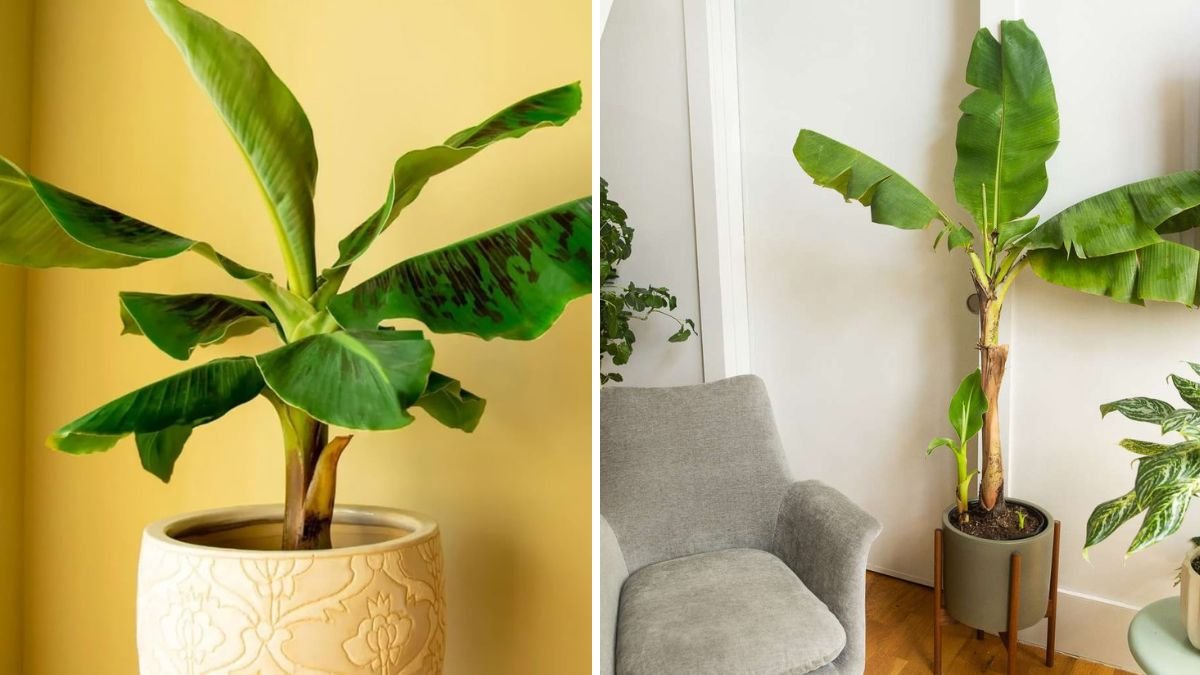
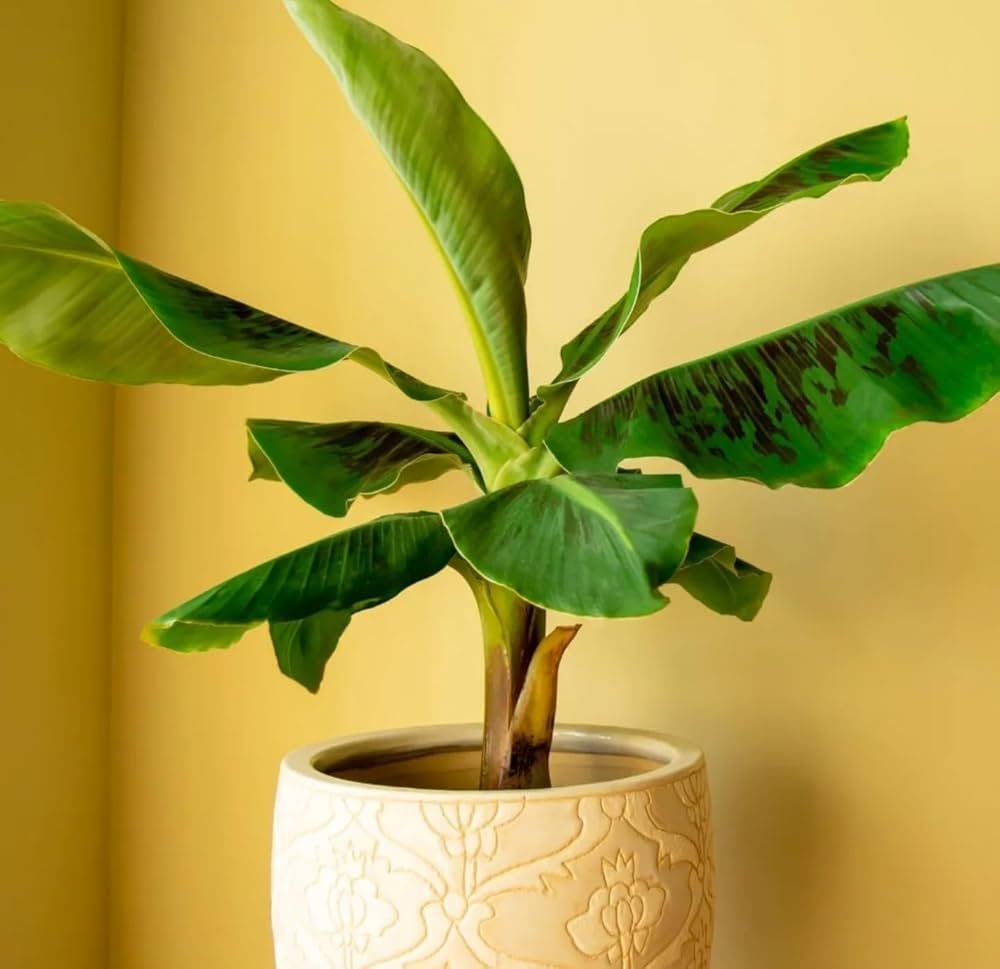
Banana trees are more than just a delicious source of fruit—they are a beautiful addition to any garden or backyard. Their lush green leaves and tropical vibe can transform even a small outdoor space into a serene oasis. But did you know that growing banana trees at home is easier than most people think? With the right techniques, patience, and care, you can cultivate your very own banana trees and enjoy fresh bananas straight from your garden. In this guide, we’ll explore a great way to grow banana trees, step by step.
Why Grow Banana Trees at Home?
Bananas are one of the most popular fruits in the world, known for their natural sweetness, potassium content, and versatility in recipes. Growing your own bananas comes with several advantages:
- Fresh and Organic Fruit: Homegrown bananas are free from pesticides and chemicals often found in store-bought varieties.
- Aesthetic Appeal: Banana trees have large, vibrant leaves that can enhance the look of your garden.
- Sustainability: Growing bananas reduces reliance on commercially packaged fruits, helping you live a more eco-friendly lifestyle.
- Educational Experience: Growing bananas is a fun and rewarding experience for families, teaching children about plant life cycles and gardening.
Understanding Banana Trees
Before you start planting, it’s important to know a few things about banana trees:
- Varieties: There are several banana varieties, including dwarf types suitable for small spaces and larger varieties for tropical climates.
- Growth Habit: Bananas grow from rhizomes, not seeds. They produce new shoots called “pups” that can be used for propagation.
- Climate Needs: Bananas thrive in warm, humid environments with plenty of sunlight. They are sensitive to frost and cold winds.
Step 1: Choosing the Right Banana Plant
The first step to growing banana trees successfully is selecting a healthy plant or pup. A pup is a small offshoot from the base of an existing banana tree. Here’s what to look for:
- Healthy Leaves: Avoid plants with yellowing or damaged leaves.
- Strong Rhizome: The base of the pup should be firm and free from rot or disease.
- Age of Pup: Ideally, choose a pup that is at least 6–12 months old, as younger pups may struggle to establish themselves.
Step 2: Preparing the Soil
Banana trees prefer well-drained, fertile soil rich in organic matter. Here’s how to prepare your planting site:
- Choose a Sunny Spot: Bananas need at least 6–8 hours of direct sunlight daily.
- Loosen the Soil: Dig a hole about 18 inches deep and wide enough to accommodate the pup.
- Add Organic Matter: Mix compost or well-rotted manure into the soil to improve fertility.
- Check Drainage: Ensure water doesn’t accumulate around the roots, as bananas are susceptible to root rot.
Step 3: Planting the Banana Pup
Planting banana pups is straightforward but requires care:
- Remove Excess Soil: Gently remove the pup from the mother plant, keeping roots intact.
- Place in the Hole: Set the pup in the prepared hole so that the top of the rhizome is slightly above the soil surface.
- Fill and Firm: Cover the roots with soil and gently firm the ground to remove air pockets.
- Water Thoroughly: Give the plant a deep watering to help it establish.
Step 4: Watering and Fertilization
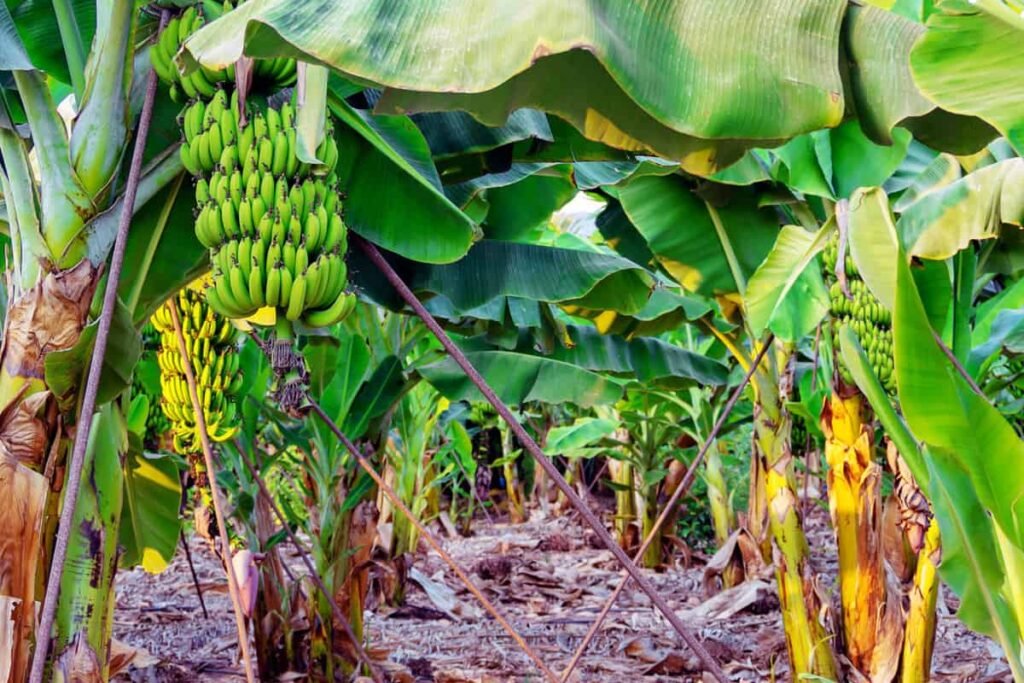
Banana trees require consistent moisture but not waterlogging:
- Watering: Water regularly, especially during dry periods. Aim for moist, not soggy soil.
- Mulching: Apply a layer of mulch around the base to retain moisture and suppress weeds.
- Fertilization: Feed the plant with a balanced fertilizer every month during the growing season. Organic options like compost tea or fish emulsion work well.
Step 5: Supporting Growth
Banana trees can grow tall quickly and may need support to prevent bending or breaking:
- Staking: Use a sturdy stake to support young plants until they are strong enough to stand on their own.
- Pruning: Remove dead or damaged leaves to encourage healthy growth.
Step 6: Protecting Against Pests and Diseases
Common banana pests include aphids, mites, and banana weevils, while diseases like Panama disease and leaf spot can affect the plant:
- Inspect Regularly: Check leaves and stems for signs of pests or disease.
- Use Natural Remedies: Neem oil or insecticidal soap can control pests effectively.
- Maintain Hygiene: Remove fallen leaves and debris to prevent fungal infections.
Step 7: Harvesting Bananas
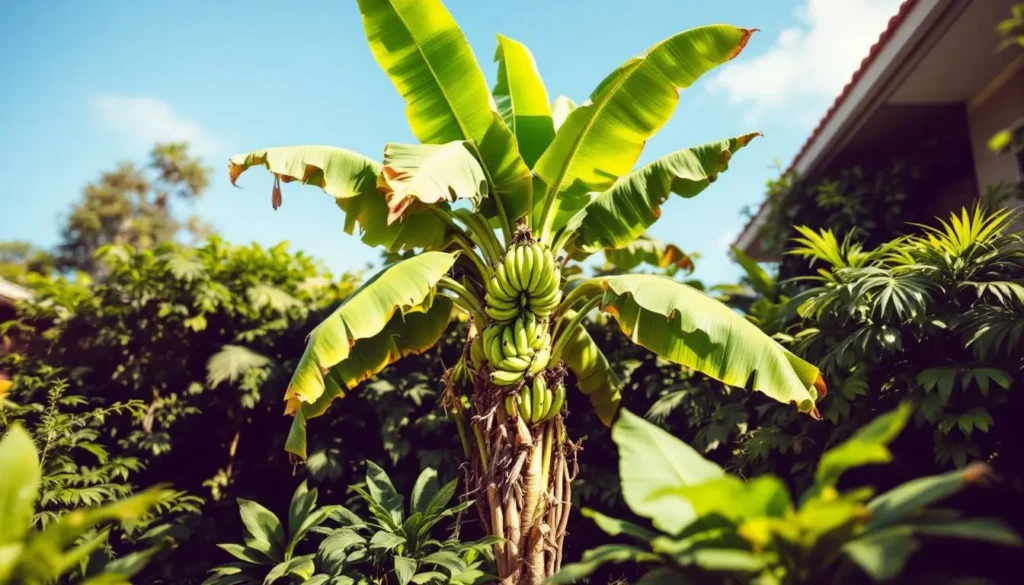
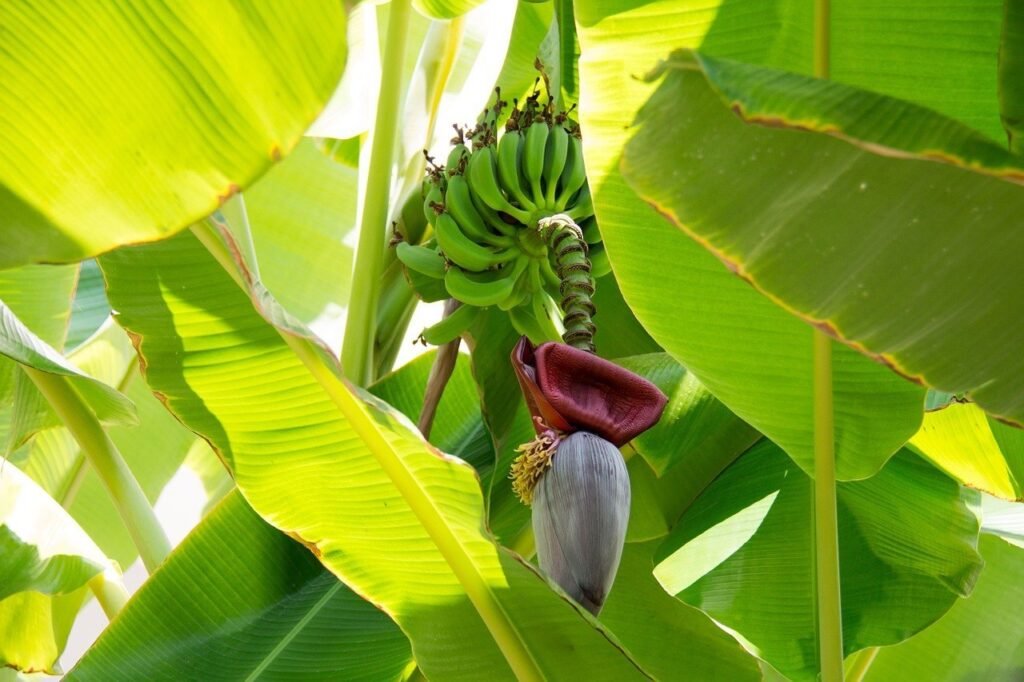
Patience is key when growing bananas, as it may take 9–12 months for a plant to produce fruit. Signs that bananas are ready for harvest:
- Fruit Color: Bananas are typically harvested while still green but fully grown.
- Shape: The fingers should be plump and rounded.
- Ease of Removal: Bananas will separate easily from the stem when ready.
After harvesting, the plant will produce new shoots or pups, allowing you to continue propagating more banana trees.
Bonus Tips for Thriving Banana Trees
- Companion Planting: Plant bananas alongside other tropical plants like papayas or ginger to maximize space.
- Wind Protection: Banana leaves are delicate; planting near a fence or using windbreaks helps prevent damage.
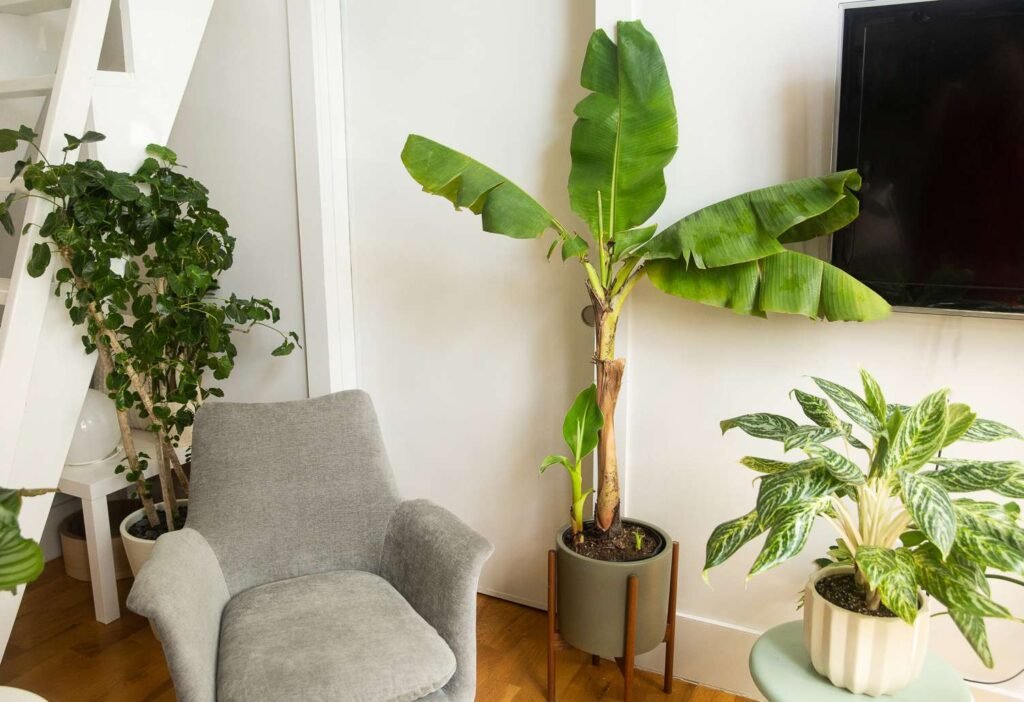
- Container Growing: Dwarf varieties can be grown in large pots, making them perfect for patios or small gardens.
Conclusion
Growing banana trees from pups is a rewarding way to enjoy fresh, organic fruit while beautifying your garden. With the right care, attention, and patience, you can cultivate thriving banana trees that provide both aesthetic value and a healthy snack for your family. By following these steps—from selecting healthy pups to proper watering, fertilization, and pest management—you can ensure your banana trees grow strong and fruitful for years to come.
So, grab a healthy banana pup, prepare your garden, and start growing your own tropical paradise today!