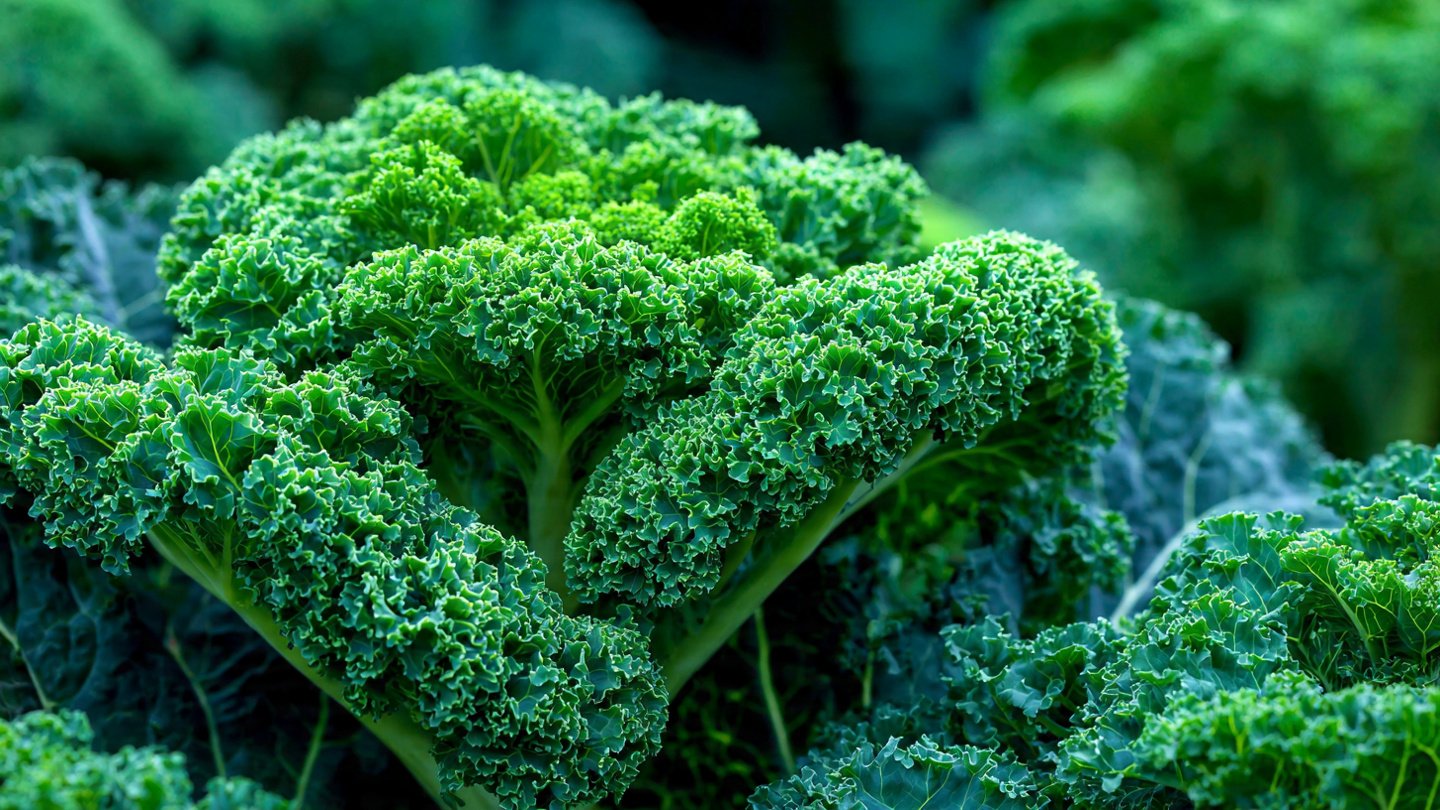
Kale has increasingly become a beloved vegetable in many home gardens and kitchens. Known for its nutritional density, versatility, and hardiness, kale is a favorite among health enthusiasts and gardeners alike. This guide will explore various techniques that will allow you to grow kale year-round with minimal effort.
Understanding Kale
Kale (Brassica oleracea var. sabellica) is a leafy green vegetable that hails from the cabbage family. This nutrient-dense vegetable is rich in vitamins A, C, and K, as well as minerals like calcium and iron. It’s also packed with antioxidants and has been linked to various health benefits, including improved heart health and anti-inflammatory properties.
Choosing the Right Kale Varieties
Before diving into cultivation techniques, it’s essential to choose the right variety of kale. There are three primary types:
- Curly Kale: This variety has tightly packed, ruffled leaves. It’s popular for salads and smoothies.
- Lacinato (Dinosaur) Kale: Known for its dark blue-green leaves and unique texture, this type is often sweeter and more tender.
- Red Kale: With its vibrant red/purple hues, this variety adds aesthetic appeal and flavor to dishes.
Choose a variety based on your taste preferences and culinary needs.
Best Conditions for Growing Kale
Climate
Kale thrives in cooler weather. Ideal temperatures range from 60°F to 70°F (15°C to 21°C). However, it’s quite resilient and can withstand frost, which enhances its flavor. In temperate climates, kale can be grown year-round, while in warmer regions, it may require some shade during peak summer months.
Soil Conditions
Kale prefers well-draining, fertile soil. A pH level between 6.0 and 7.0 is optimal. Before planting, enrich your soil with organic matter like compost or well-rotted manure to provide essential nutrients and improve soil structure.
Light Requirements
Kale can grow in partial shade but prefers full sun for at least 6 hours per day. If you’re in a warmer climate, providing afternoon shade can help prevent bolting.
Planting Kale: Step-by-Step
-
Prepare the Soil: Loosen up the soil with a hoe or a tiller, mixing in compost to enrich it.
-
Sow Seeds: Directly sow kale seeds in the garden or raised beds, planting them about ¼ to ½ inch deep. Space seeds 12 inches apart, or if you’re using a square-foot gardening method, plant one seed per square foot.
-
Watering: Water the newly planted seeds lightly but consistently. Keep the soil moist but not soggy.
-
Thinning: Once seedlings have two sets of true leaves, thin them out, leaving the strongest plants spaced appropriately to allow for optimal growth.
Transplanting Seedlings
If starting kale indoors, plant seeds in seed trays about 6-8 weeks before the last expected frost date. Once seedlings have 2-3 leaves and the outdoor conditions are suitable, transplant them into your garden.
Maintaining Your Kale Crop
Watering
Kale requires consistent moisture. Water deeply once or twice a week, depending on rainfall. Using a mulch layer can help retain soil moisture and regulate temperature.
Fertilization
Fertilize your kale every four weeks with a balanced organic fertilizer, especially during the growing season. Look for fertilizers with nitrogen, phosphorus, and potassium to ensure healthy leaf growth.
Pest and Disease Control
Kale is susceptible to a few pests, including aphids, cabbage worms, and flea beetles. Implement these pest control methods:
- Companion Planting: Plant herbs like rosemary or sage nearby to deter pests.
- Row Covers: Use lightweight fabric to protect young plants from pests while allowing sunlight and moisture in.
- Natural Pesticides: Neem oil or insecticidal soap can help control outbreaks without harming beneficial insects.
Fungal diseases like downy mildew and powdery mildew can also affect kale. Ensure proper air circulation and avoid overhead watering to minimize risks.
Harvesting Kale
Kale can be harvested at various stages, depending on your needs. The younger leaves are tender and ideal for salads, while older leaves are great for cooking.
When harvesting, pick the outer leaves first, allowing the inner leaves to continue growing. It’s best to harvest kale in the morning after the dew has dried for optimal flavor.
Winter Growing Techniques
Growing kale year-round becomes easier with a few techniques during the cold months:
Cold Frames
A cold frame is a simple greenhouse-like structure that can help extend the growing season. Use a wooden or plastic frame with a clear cover to trap sunlight and warmth. Place it over your kale patch during the cold months.
Row Covers
Lightweight row covers can protect your kale from frost while allowing light and moisture to penetrate. Ensure the covers are anchored down so they don’t blow away in the wind.
Indoor Growing
For those with shorter growing seasons, consider transplanting kale into pots and growing them indoors. Ensure they have sufficient light—grow lights can help if natural sunlight is limited.
Tips for Minimal Effort
- Choose Hardy Varieties: Opt for kale varieties that are known for being hardy and resistant to pests and diseases.
- Mulching: Use organic mulch to suppress weeds, retain moisture, and add nutrients to the soil as it decomposes.
- Autonomous Systems: Consider self-watering systems or dripper hoses to reduce the need to constantly monitor moisture levels.
- Succession Planting: Plant seeds every few weeks to ensure a continuous harvest without overcommitting your time.
Recipes and Culinary Uses
Kale’s versatility extends to its culinary uses. Here are a few ideas to incorporate kale into your meals:
- Kale Salad: Massage raw kale with olive oil, lemon juice, and your choice of toppings for a nutritious salad.
- Smoothies: Blend kale with fruits, yogurt, and a splash of juice for a nutrient-packed beverage.
- Soups: Add kale to soups and stews for added nutrition and flavor.
FAQs
1. How long does it take for kale to grow?
Kale typically takes about 55-75 days from seed to harvest, depending on the variety and growing conditions.
2. Can I grow kale in containers?
Yes! Kale grows well in containers. Choose a pot that is at least 12 inches deep and ensure it has drainage holes.
3. Can kale grow in shade?
Kale can tolerate partial shade but grows best in full sun. In hotter climates, some shade during the hottest part of the day can be beneficial.
4. Is kale frost-tolerant?
Yes, kale is quite frost-tolerant. In fact, a light frost can enhance its flavor by increasing its sugar content.
5. How often should I water kale?
Kale prefers consistently moist soil. Water it about once or twice a week, depending on rainfall and temperature.
6. What pests are a threat to kale?
Common pests include aphids, cabbage worms, and flea beetles. Implement organic pest control methods to manage these threats.
7. Can kale be harvested multiple times?
Absolutely! You can harvest the outer leaves of the plant while allowing the inner leaves to continue growing for future harvests.
Conclusion
Growing kale year-round doesn’t have to be a daunting task. By choosing the right variety, establishing ideal growing conditions, and implementing a few simple techniques, you can enjoy a continuous supply of this nutritious vegetable with minimal effort. With a little time and care, your garden can be a source of fresh, delicious kale for many seasons to come!