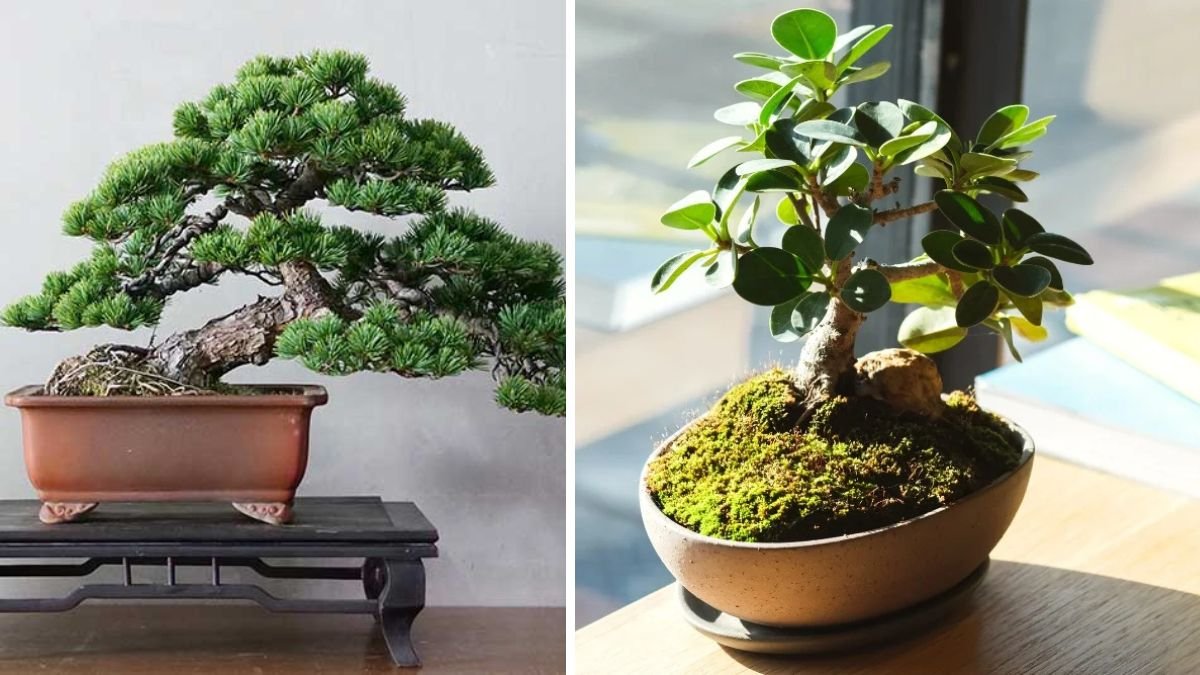
Bonsai is more than just a gardening technique; it’s an art form that requires patience, dedication, and a deep understanding of plant care. Fig bonsai, in particular, offers a unique and rewarding experience. With its lush foliage and intriguing growth patterns, it stands out among bonsai varieties. Here’s your ultimate guide to mastering fig bonsai growth techniques, whether you’re a beginner or an experienced grower.
Understanding Fig as a Bonsai Species
Fig Varieties for Bonsai
While many fig species can be cultivated as bonsai, two of the most popular are:
-
Ficus carica (Common Fig): Known for its broad leaves and delicious fruits, this species has a robust trunk and is well-suited for bonsai.
-
Ficus retusa (Indian Fig): This species is favored for its unique trunk and branching patterns. It has a more compact growth habit and small leaves, making it an excellent choice for bonsai artists.
Climate and Growing Conditions
Figs thrive in warm climates, making them ideal for outdoor growth in USDA zones 8-10. Indoors, they can benefit from bright, indirect light. Here are key considerations:
-
Temperature: Maintain temperatures between 60°F to 75°F (15°C to 24°C). They can tolerate slightly lower temperatures in winter.
-
Light: Ensure at least 4-6 hours of indirect sunlight daily. Insufficient light can lead to leggy growth and increased susceptibility to pests.
-
Humidity: Fig bonsais prefer higher humidity levels. Maintaining humidity can be crucial, especially in winter months when indoor heating can dry out the air.
Potting and Soil Requirements
Choosing the Right Pot
Select a pot that allows for proper drainage and is proportionate to the size of your tree. A shallow container is ideal, as it restricts root growth and encourages a more compact structure, essential for bonsai.
Soil Composition
A well-aerated, fast-draining soil mix is vital for fig bonsai. Consider creating a mix with the following components:
-
Akadama: A highly regarded bonsai soil that retains moisture while providing excellent drainage.
-
Pumice or Perlite: These components aid aeration and prevent soil compaction.
-
Organic Matter: Adding compost or a slow-release fertilizer can provide essential nutrients.
Watering Techniques
Determining Watering Needs
Fig bonsai require consistent moisture, but overwatering can lead to root rot. As a rule of thumb, water when the top 1-2 inches of soil feels dry. Factors affecting watering frequency include:
-
Pot Size: Smaller pots dry out quickly.
-
Weather: Hotter temperatures will necessitate more frequent watering.
-
Season: Figs require more water during the active growing season (spring and summer) and less during dormancy (fall and winter).
Watering Method
Water thoroughly until it drains from the bottom of the pot, ensuring that the entire root system gets moistened. Avoid letting the pot sit in standing water, which can suffocate roots.
Pruning and Shaping
The Art of Pruning
Pruning is essential to maintain the desired shape and size of your fig bonsai. Regular pruning encourages bushier growth and helps you attain your artistic vision. Here’s how to do it effectively:
-
Timing: Spring is usually the best time to prune, right before the active growing season.
-
Techniques: Use sharp, clean scissors to make precise cuts. Remove any dead or crossing branches and trim back to a leaf node to encourage new growth.
-
Cutting Back: In late summer, you might also want to cut back new growth to maintain shape and encourage denser foliage.
Wiring Techniques
Wiring allows for shaping branches and defining the overall look of your bonsai. Here’s how to wire your fig bonsai safely:
-
Choose the Right Wire: Use aluminum wire as it’s malleable and holds its shape well.
-
Application: Wrap the wire around branches gently, avoiding constriction that could injure the plant. For larger branches, you can use thicker wire.
-
Monitoring: Regularly check wired branches; once they set in the desired position, remove the wire to prevent girdling.
Fertilizing Your Fig Bonsai
Fertilization is crucial to provide essential nutrients for healthy growth. Here are guidelines to consider:
Choosing the Right Fertilizer
Using a balanced, water-soluble fertilizer during the growing season will yield the best results:
- NPK Ratio: Look for a fertilizer with balanced nutrient ratios (e.g., 10-10-10) or one higher in nitrogen to promote foliage growth.
Fertilizing Schedule
- Active Growing Season: Fertilize every 4-6 weeks.
- Dormant Season: Reduce frequency or stop altogether, as the tree requires less nutrition during this period.
Pest and Disease Management
Common Pests
Fig bonsai can be susceptible to pests such as aphids, spider mites, and scale insects. Monitor for signs of infestation, such as webbing or sticky residue.
-
Prevention: Keep foliage dry and ensure proper air circulation.
-
Treatment: Use insecticidal soap or neem oil as a humane method to remove pests, applying during the morning or evening to minimize harm to beneficial insects.
Potential Diseases
Root rot is the most common disease affecting fig bonsai due to overwatering. Signs include yellowing leaves and a musty odor. To combat this:
-
Improve Drainage: Ensure your pot has adequate holes.
-
Repotting: If root rot occurs, remove the plant from the pot, trim any affected roots, and repot in fresh soil.
Repotting Your Fig Bonsai
Repotting is necessary to refresh the soil and manage root growth. Here’s how to do it:
When to Repot
Consider repotting every 2-3 years or when the roots outgrow the pot. Early spring, just before new growth begins, is ideal.
How to Repot
-
Remove from Pot: Carefully remove the bonsai from its pot.
-
Prune Roots: Trim back about one-third of the root mass. This helps stimulate new growth.
-
Fresh Soil: Use your prepared soil mix and create a mound in the center before placing the tree.
-
Watering: Water thoroughly after repotting to help settle the soil around the roots.
Seasonal Care
Spring and Summer
-
Increased Watering: As growth enters full swing, ensure consistent moisture.
-
Fertilizing: Follow your fertilizing schedule.
-
Pruning: Regularly prune to manage growth.
Fall and Winter
-
Reduce Watering: Allow the soil to dry more between waterings.
-
Move Indoors: If in a colder climate, bring your bonsai indoors, placing it near a bright window.
-
Minimal Fertilizing: Reduce or stop feeding during dormancy.
FAQs
1. How long does it take to train a fig bonsai?
- Training a fig bonsai can take several years, often requiring consistent pruning and wiring. The age and health of the tree play significant roles in growth rates.
2. Can fig bonsai produce fruit indoors?
- Yes, fig bonsai can produce fruit indoors, provided they get enough light and are properly cared for. Fruit size and quantity may vary based on conditions.
3. What is the best time to prune fig bonsai?
- The best time to prune is in early spring before new growth begins. However, you may also perform light pruning in mid-summer.
4. How often should I water my fig bonsai?
- Watering frequency depends on various factors, including pot size, humidity, and temperature. Check the top 2 inches of soil; if dry, it’s time to water.
5. Do I need to use special tools for fig bonsai care?
- While basic bonsai tools like sharp scissors, pruning shears, and wire are recommended, specialized equipment isn’t mandatory. Ensure that any tools used are clean to avoid disease.
6. How can I tell if my fig bonsai is healthy?
- Healthy fig bonsai should have vibrant green leaves, firm branches, and an overall robust appearance. Yellowing leaves, wilting, or dark spots may indicate stress or disease.
Mastering fig bonsai growth techniques is a rewarding journey that requires time and dedication. With proper care, attention to detail, and a willingness to learn, both beginners and seasoned bonsai enthusiasts can cultivate stunning fig bonsai trees that reflect the beauty and intricacy of this ancient art form. Embrace the process, and enjoy your bonsai journey!