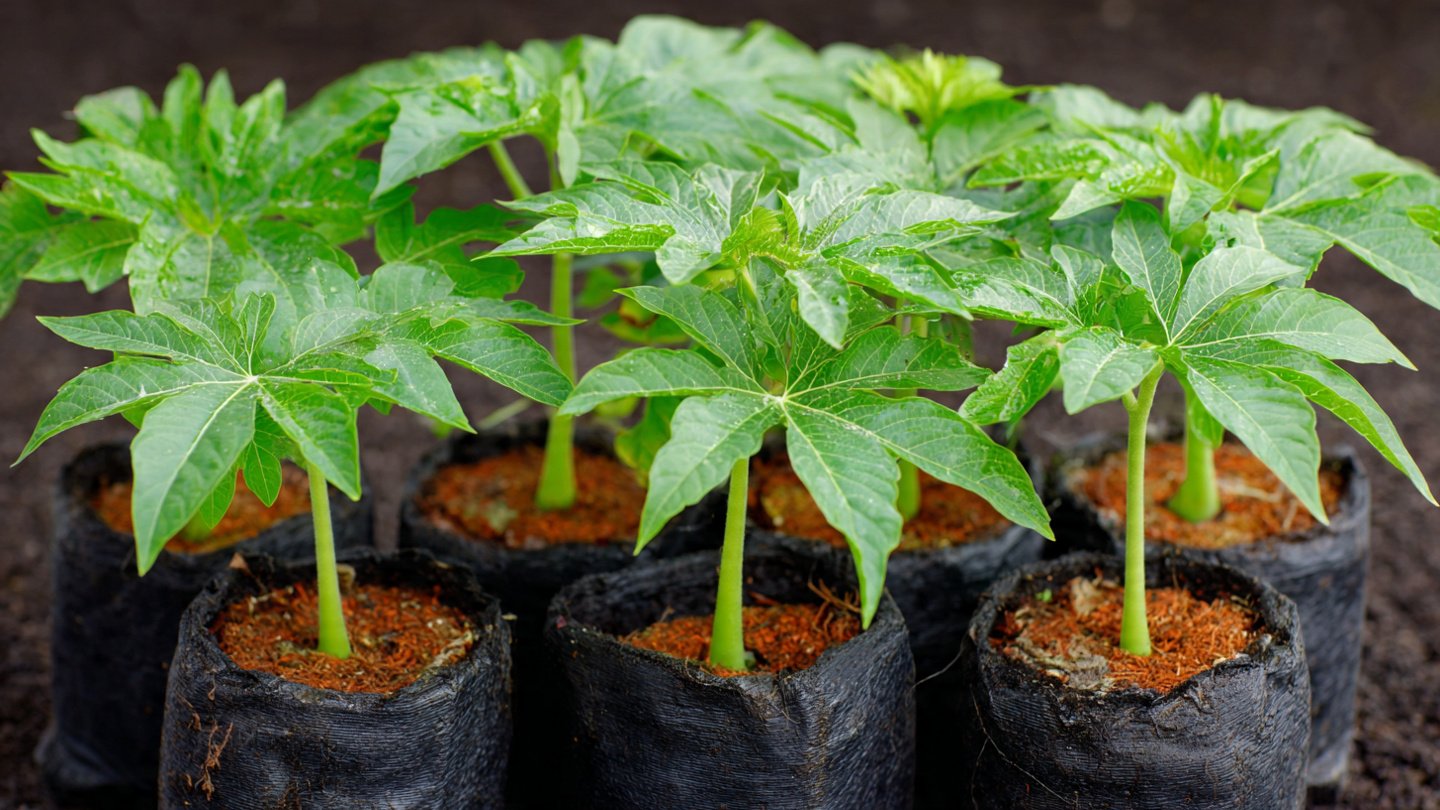
Papaya (Carica papaya) is a tropical fruit known for its sweet flavor and numerous health benefits. With its vibrant orange flesh and unique flavor, papaya is not just delicious but also an excellent addition to your garden or home container setup. This guide will provide detailed insights into the process of papaya seed germination, ensuring that you enjoy a bountiful harvest right from your home.
Understanding Papaya Seeds
Before jumping into the germination process, it’s essential to understand papaya seeds. These seeds come from ripe fruit and are typically black, round, and encased in a gelatinous coating. They are relatively easy to grow and can thrive in various environmental conditions.
Benefits of Growing Papaya at Home
- Freshness: Growing your own papaya means that you will have access to the freshest fruits.
- Nutritional Value: Papayas are rich in vitamins A and C, fiber, and antioxidants.
- Cost-Effective: Instead of purchasing papayas from the store, you can produce your own.
- Satisfaction: Successfully growing a fruit tree can be immensely satisfying.
Selecting the Right Seeds
When starting your papaya garden, the first step is selecting quality seeds. You can choose seeds from ripened organic papayas purchased from local markets or opt for commercially available seeds from reputable sources.
Tips for Selecting Seeds:
- Ripeness: Ensure that the papaya you source seeds from is fully ripe, as immature fruit may yield non-viable seeds.
- Variety: Choose varieties suited for your climate, such as Hawaiian or Mexican papayas. Both have differing growth habits and fruiting times.
- Avoid Hybrid Seeds: If you’re looking to save seeds for future planting, it’s best to avoid hybrid varieties as they may not produce true-to-type offspring.
Preparing the Seeds for Germination
To maximize germination rates, seeds must be properly prepared. Here’s how:
- Cleaning: Remove the seeds from the fruit, and wash them under running water to remove all flesh and gelatinous coating. This prevents mold during germination.
- Drying: Spread the cleaned seeds on a paper towel and let them dry for a day or two in a shaded area.
- Soaking: Before planting, soak the seeds in warm water for 24 hours to speed up germination.
Choosing the Right Container
Container Types
- Plastic Pots: Lightweight and available in various sizes; ensure they have drainage holes.
- Biodegradable Pots: Great for starting seeds, these pots can be transferred directly into the ground when seedlings are ready.
- Seed Trays: Ideal for germinating multiple seeds at once, making it easier to manage.
Size
Choose containers with a depth of at least 10-12 inches for proper root development. Papaya plants have extensive root systems that need adequate space.
Soil Requirements
Ideal Soil Composition
Papaya plants thrive in well-draining, nutrient-rich soil. Here’s a simple mix you can create at home:
- 50% Potting Soil
- 30% Compost: Provides essential nutrients.
- 20% Perlite or Sand: Improves drainage and aeration.
pH Levels
Ensure your soil has a pH level between 6.0 and 7.0 for optimal growth. You can purchase a soil pH test kit at your local garden store.
Germination Process
Steps to Germinate Papaya Seeds
- Fill the Container: Use the prepared soil mix to fill the chosen container up to an inch from the rim.
- Plant the Seeds: Plant the seeds about ½ inch deep, spacing them at least two inches apart to allow for growth.
- Watering: Gently water the soil until moist. Avoid over-saturation, which can lead to rot.
- Cover the Container: To create a humid environment, cover the container with plastic wrap or a plastic lid. This helps retain moisture and warmth.
Ideal Conditions for Germination
- Temperature: Papaya seeds germinate best at temperatures between 70-90°F (21-32°C). A warm environment encourages quicker sprouting.
- Light: Place the container in a bright spot but avoid direct, harsh sunlight, which can dry out the soil.
Monitoring Progress
After planting, check the soil daily to ensure that it remains moist but not waterlogged. Remove any coverings once you see seedlings sprouting, usually within 2-4 weeks.
Transplanting Seedlings
Once the seedlings reach about 6 inches tall and have at least two sets of true leaves, they are ready to be transplanted into larger containers or the ground.
Steps for Transplanting
- Choose a New Container or Site: Ensure it has good drainage and sufficient sunlight.
- Carefully Remove the Seedlings: Gently pull the seedlings from the original container without damaging the roots.
- Plant: Place the seedlings in the new location, ensuring they remain at the same depth as they were in the original container.
- Water: Water thoroughly after transplanting to settle the soil around the roots.
Caring for Your Papaya Plant
After successfully germinating and transplanting your papayas, ongoing care will greatly influence their growth and fruiting.
Watering
Papaya plants require consistent moisture, especially in the early stages. Water them regularly, allowing the top inch of soil to dry out between waterings.
Fertilization
Use a balanced, slow-release fertilizer every 6-8 weeks during the growing season. Organic options like compost tea can also be beneficial.
Sunlight
Papayas thrive in full sunlight. Ensure they receive at least 6-8 hours of direct sunlight daily.
Pest Management
Watch for common pests like aphids and spider mites. You can manage them using natural insecticidal soaps or neem oil.
Common Challenges
Poor Germination Rates
- Solution: Ensure seeds are fresh and properly soaked before planting. Maintain ideal temperature and moisture levels.
Yellowing Leaves
- Solution: This can indicate overwatering or nutrient deficiencies. Adjust your watering schedule and consider a nutrient boost.
Stunted Growth
- Solution: Check for root crowding or pests. Ensure your plants have ample space to grow.
Harvesting Papaya
Papayas typically take 6-12 months to produce fruit, depending on the variety and growing conditions. The fruit is ripe when it turns from green to a yellow-orange color.
Tips for Harvesting
- Color Change: Harvest when the skin changes color.
- Gentle Handling: Be careful not to bruise the fruit during harvest.
Frequently Asked Questions (FAQs)
1. How long does it take for papaya seeds to germinate?
Typically, papaya seeds take 2-4 weeks to germinate, depending on temperature and moisture conditions.
2. Can I grow papaya in colder climates?
Papaya is a tropical plant and struggles in temperatures below 50°F (10°C). In colder climates, consider using greenhouses or containers that can be moved indoors during chilly weather.
3. How do I know when to water my papaya plants?
Check the top inch of the soil; if it feels dry, it’s time to water. Avoid overwatering, as papayas are susceptible to root rot.
4. Can I grow papaya from store-bought seeds?
Yes, as long as the papaya fruit is ripe and organic. Store-bought seeds can also be used but may have a lower germination rate compared to fresh seeds.
5. What pests should I be aware of when growing papaya?
Common pests include aphids, spider mites, and whiteflies. Regular monitoring and organic pest control methods can help manage them.
6. How can I increase fruit production?
Ensure that your papaya plants receive sufficient sunlight, water, and nutrients. Plant both male and female plants nearby for better pollination.
7. Is it possible to grow papaya indoors?
Yes, with sufficient light, warmth, and space, papayas can be grown indoors in containers. Using grow lights can help simulate optimal conditions.
Conclusion
Germinating papaya seeds at home can be an incredibly rewarding experience that brings fresh fruit right to your kitchen. By following the steps outlined in this guide, you can enjoy all the benefits of growing papaya, from enhancing your culinary creations to improving your health with this nutritious fruit. Happy gardening!