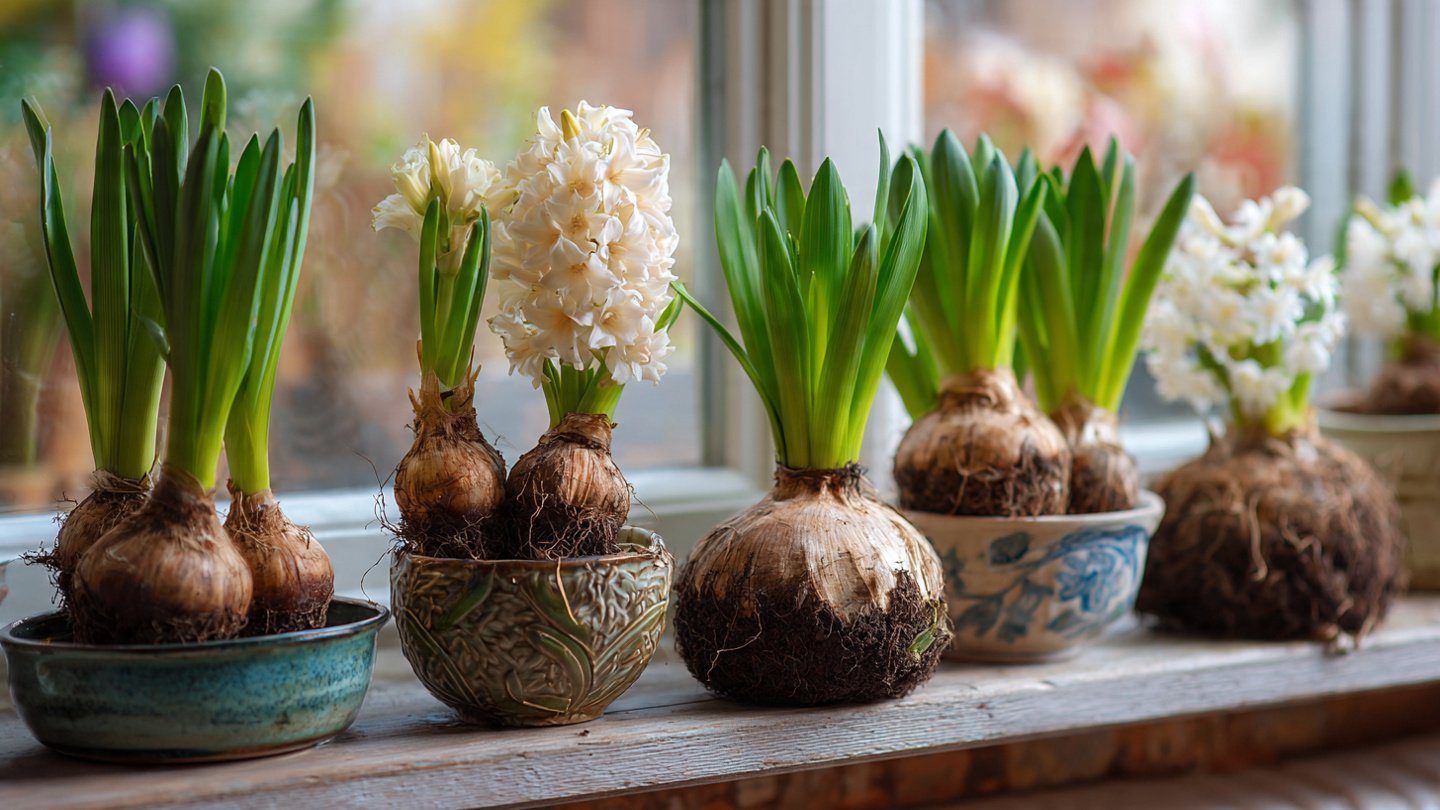
Growing bulb plants indoors can bring vibrant colors and fresh fragrances into your home, regardless of the season. With the right knowledge and care, you can enjoy these beautiful plants all year long. This guide will cover everything from selecting the right bulbs to caring for them, ensuring you can create an indoor oasis filled with life.
Understanding Bulb Plants
What Are Bulb Plants?
Bulb plants are perennials that store energy and nutrients in a bulb, a storage organ that allows them to survive adverse seasonal conditions. Common examples include tulips, daffodils, hyacinths, amaryllis, and garlic. The bulb remains dormant during unfavorable conditions and sprouts roots, leaves, and flowers when conditions improve.
Benefits of Growing Bulb Plants Indoors
- Year-Round Blooms: With proper planning, you can enjoy flowers at different times of the year.
- Air Quality: Bulb plants, like many indoor plants, can improve air quality by filtering toxins.
- Aesthetic Appeal: Brighten your living space with colorful blooms.
- Stress Relief: Gardening has been shown to alleviate stress and provide relaxation.
Selecting the Right Bulbs
Choosing the right bulbs is crucial for success. Here’s what to consider:
Types of Bulbs
- Forced Bulbs: These are bulbs that are pre-treated to bloom indoors. Examples include tulips and hyacinths.
- Tender Bulbs: Bulbs like amaryllis and caladium that can thrive indoors but may require more specific care.
- Hardy Bulbs: Calla lilies and daffodils are hardy and can withstand temperature fluctuations.
Seasonal Considerations
- Spring: Plant bulbs like daffodils, tulips, and hyacinths in autumn for spring blooms.
- Summer: Consider bulbs like lilies, gladiolus, and tuberous begonias for summer blooms.
- Winter: Amaryllis and paperwhite narcissus are perfect for adding warmth during winter.
Where to Buy Bulbs
- Garden Centers: Most local garden centers offer a variety of bulbs.
- Online Retailers: Websites often have extensive selections that might not be available in stores.
- Specialty Stores: Seek stores that specialize in rare or unique bulbs.
Preparing the Bulbs
Choosing the Right Containers
Selecting the right pot is crucial for the health of your bulbs. Here are some factors to consider:
- Drainage: Ensure pots have drainage holes to prevent waterlogging.
- Size: Select a container that provides enough space for roots to expand.
- Material: Terracotta pots can absorb excess moisture, while plastic pots retain moisture.
Soil Selection
Using the right soil mixture can affect bulb growth significantly. A well-draining potting mix that retains moisture is ideal. You may also consider the following:
- Commercial Bulb Mix: Available at garden centers, these mixes are designed specifically for bulb growth.
- Homemade Mix: Combine equal parts potting soil, sand, and perlite for optimal drainage and aeration.
Planting Bulbs Indoors
Timing
Timing is essential for successful indoor bulb growth. Follow these guidelines:
- For Spring Blooms: Plant bulbs in late winter or early spring.
- For Summer Blooms: Plant in early spring once temperatures are consistently warm.
- For Winter Blooms: Start amaryllis bulbs in late fall for holiday blooms.
Planting Depth and Spacing
- Depth: As a general rule, plant bulbs at a depth of two to three times their height.
- Spacing: Space bulbs according to their size. Larger bulbs like tulips should be spaced apart more than smaller ones.
Watering After Planting
Water bulbs thoroughly after planting, allowing the soil to dry slightly before the next watering. This promotes healthy root development and prevents rot.
Caring for Indoor Bulb Plants
Light Requirements
Most bulb plants thrive in bright, indirect sunlight. Position them near a window with filtered light. You can also use grow lights to enhance growth, especially during winter months when natural sunlight is limited.
Temperature and Humidity
- Temperature: Most bulbs prefer moderate temperatures between 60-75°F (15-24°C). Avoid placing them near drafts or heating vents.
- Humidity: Bulbs generally appreciate higher humidity. Consider using a humidity tray or misting the plants regularly.
Watering Schedule
- Frequency: Water plants when the top inch of soil feels dry. Bulbs need consistent moisture but be careful to avoid overwatering.
- Signs of Overwatering: Yellowing leaves, soft bulbs, or mold are indicators of excess moisture.
Fertilizing
- When to Fertilize: Fertilize bulbs every four to six weeks during the growing season with a balanced fertilizer (10-10-10 formulation).
- Nutrient Needs: Ensure that the fertilizer includes macronutrients (nitrogen, phosphorus, potassium) as well as micronutrients.
Encouraging Additional Blooms
After Bloom Care
Once your bulbs have finished flowering, it’s important to care for them:
- Cutting Back: Allow leaves to die back naturally; cutting them too soon may prevent future blooms.
- Storage: After the foliage has died, remove the bulbs from the pot, brush off the soil, and let them dry before storing them in a cool, dark place.
Resting Period
Many bulbs require a dormant period to rejuvenate. Keep them dry while dormant, then resume watering when it’s time to force new growth.
Troubleshooting Common Issues
Pest Management
Indoor bulb plants can attract pests like aphids, spider mites, and mealybugs. Here are some tips to manage them:
- Inspection: Regularly check for signs of pests.
- Natural Remedies: Use neem oil or insecticidal soap to control infestations.
Diseases
Look out for diseases such as root rot and bulb rot caused by overwatering. Always ensure proper drainage and avoid over-crowding your bulbs.
FAQs
1. Can I grow bulbs indoors all year round?
Yes, with proper care and selection of different types of bulbs, you can enjoy blooms throughout the year.
2. How often should I water my indoor bulbs?
Water your indoor bulbs when the top inch of soil feels dry. This can vary based on the type of bulb and environmental conditions.
3. What are good bulbs for beginners?
Amaryllis and paperwhite narcissus are excellent choices for beginners due to their forgiving nature and ease of care.
4. How do I force bulbs to bloom?
To force bulbs, chill them in a dark, cool place for several weeks before bringing them to a warmer, light-filled spot to bloom.
5. Can I reuse potting soil for my bulbs?
It’s best to use fresh potting soil to reduce the risk of disease and ensure that your bulbs have the nutrients they need to thrive.
6. How do I store bulbs after they bloom?
After blooming, allow the leaves to die back, remove the bulbs, and store them in a cool, dry place until it’s time to plant them again.
7. What light conditions do bulb plants need indoors?
Most bulb plants prefer bright, indirect light. Avoid direct sunlight, which can scorch the leaves.
Conclusion
With the right care and attention, growing bulb plants indoors can be a rewarding hobby that enhances your home’s beauty. By following this guide, you can successfully cultivate a variety of stunning bulbs and enjoy their beauty year-round. Happy planting!