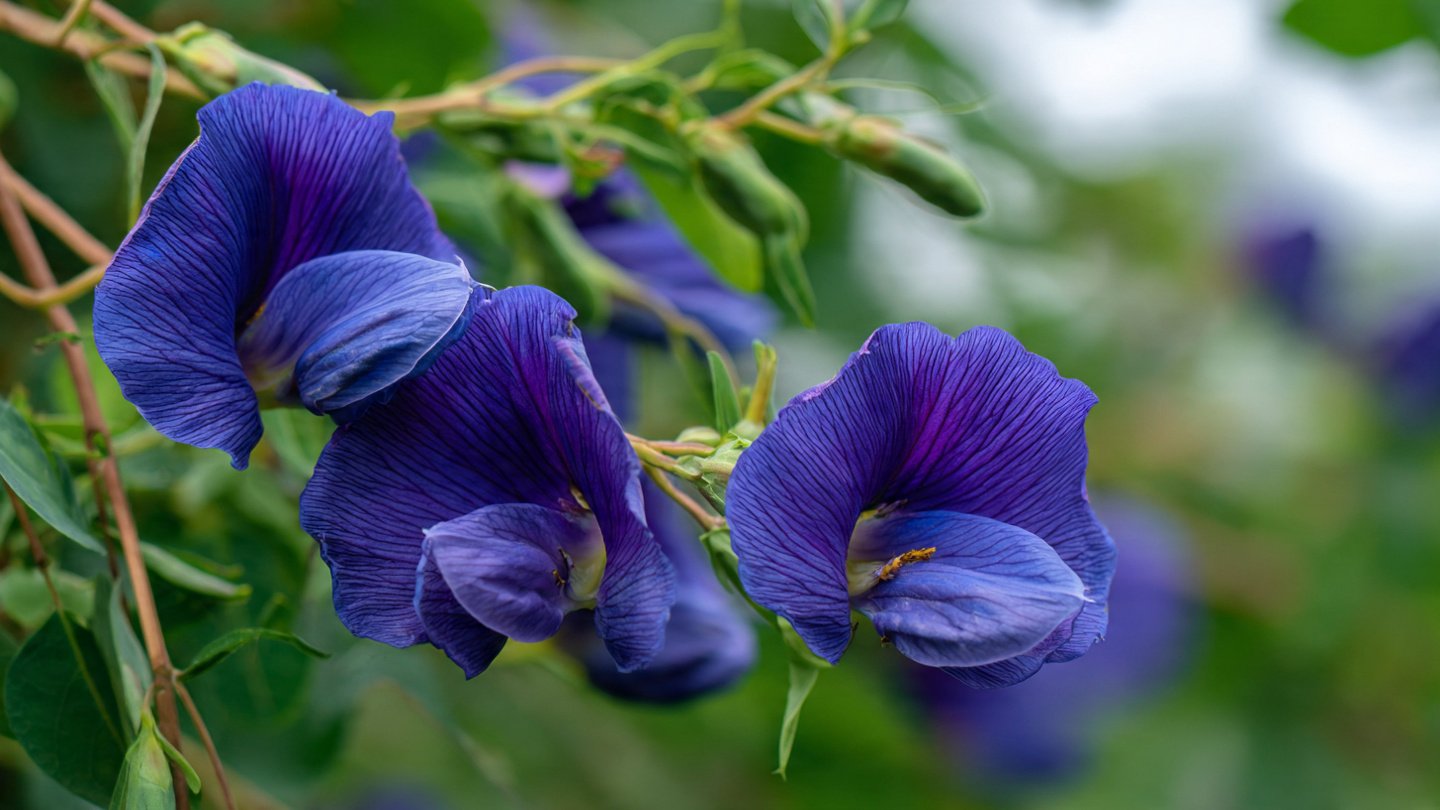
Introduction to Butterfly Pea
The Butterfly Pea (Clitoria ternatea) is a stunning flowering plant native to Southeast Asia. Known for its vibrant blue flowers, it has become increasingly popular among gardeners and culinary enthusiasts alike. This versatile plant not only adds beauty to your garden but also serves multiple purposes, including traditional medicine and a natural dye. This guide will walk you through every aspect of growing Butterfly Pea from seed, ensuring you have an impressive garden display or a hearty supply for your culinary endeavors.
Understanding the Plant
Botanical Characteristics
The Butterfly Pea belongs to the legume family, Fabaceae, and is a perennial vine that can reach lengths of up to 3 meters (almost 10 feet). Its leaves are compound and comprised of three leaflets, while the unique flowers have a distinct shape resembling a butterfly. The flowering season is abundant, predominantly occurring during the warmer months.
Benefits of Butterfly Pea
-
Aesthetic Appeal: The bright blue flowers can attract pollinators like bees and butterflies, enhancing your garden’s ecosystem.
-
Culinary Use: The flowers are edible and can be used in teas, cocktails, and desserts. When steeped in hot water, they release a vibrant blue color that changes to purple with the addition of citrus.
-
Medicinal Properties: Traditionally, Butterfly Pea has been used in Ayurvedic medicine for its potential health benefits, including reducing stress and enhancing cognitive function.
-
Soil Enrichment: Being a legume, it can fix nitrogen in the soil, making it beneficial for companion planting.
How to Grow Butterfly Pea from Seed
Selecting the Right Seeds
When starting your Butterfly Pea journey, select high-quality seeds from a reputable source. Check for vibrant coloration and avoid seeds that appear discolored or shriveled. You can find seeds at local garden centers or online stores specializing in heirloom seeds.
Soil Requirements
Butterfly Peas thrive in well-draining soil rich in organic matter. The ideal pH level ranges between 6.0 and 7.5. Here are some tips for preparing your soil:
-
Soil Mix: Combine equal parts of garden soil, compost, and sand to ensure proper drainage and nutrient availability.
-
Testing pH: If unsure of your soil’s pH, consider using a soil testing kit. Amendments like lime can raise pH, while sulfur can lower it.
-
Drainage: Ensure that your planting area allows for proper drainage, as standing water can lead to root rot.
Germination Process
To enhance germination, soak the seeds in water for 24 hours before planting. This process softens the seed coat.
-
Planting Depth: Sow the seeds about 0.5 to 1 inch deep.
-
Spacing: Space the seeds approximately 12 inches apart to allow for adequate growth.
-
Watering: Water the soil lightly after planting, ensuring it remains moist but not waterlogged.
Choosing the Right Location
Butterfly Peas prefer full sun and should receive at least 6-8 hours of sunlight daily. Choose a location that offers support for the vine to climb, such as a trellis, fence, or arbor.
Care and Maintenance
Watering
Regular watering is crucial, especially during the initial growth stages. Water deeply once or twice a week, depending on rainfall and temperature:
-
Drought Tolerance: Once established, Butterfly Pea is relatively drought-tolerant, although regular watering will promote more blooms.
-
Signs of Underwatering: Yellowing leaves and drooping tendrils indicate that the plant needs water.
Fertilization
Although Butterfly Peas are relatively low-maintenance when it comes to fertilization, applying a balanced fertilizer once in early spring can promote healthy growth.
-
Organic Options: Consider using compost or well-rotted manure.
-
Avoid Over-Fertilizing: Excess nitrogen can lead to lush foliage at the expense of blooms.
Pruning
Pruning isn’t necessary for Butterfly Pea but can encourage bushier growth if desired.
-
When to Prune: If you notice excessive growth, prune back the stems in early spring.
-
Deadheading: Remove spent flowers to promote new blooms.
Pest and Disease Management
While Butterfly Pea is generally pest-resistant, keep an eye out for:
-
Aphids: These can cause damage by sucking sap. An insecticidal soap can help control them.
-
Fungal Growth: Ensure good air circulation and avoid watering the foliage to prevent diseases like powdery mildew.
Harvesting Butterfly Pea Flowers
Once your Butterfly Pea plants begin to bloom, you can start harvesting flowers. For culinary purposes, pick the blossoms when they are fully open.
-
Timing: Early morning or late evening is the ideal time for harvesting, as this is when the flowers are most fragrant.
-
Storage: Use the flowers fresh, or store them in the refrigerator for a few days.
Frequently Asked Questions (FAQs)
1. How long does it take for Butterfly Pea seeds to germinate?
Typically, Butterfly Pea seeds germinate within 1 to 2 weeks, provided they are kept moist and in the right conditions.
2. Can Butterfly Pea grow in containers?
Yes! Butterfly Pea can thrive in containers. Ensure that the pot has drainage holes and support for the vine to climb.
3. Is Butterfly Pea invasive?
Butterfly Pea can be vigorous in its growth but is generally not considered invasive. However, it’s always a good idea to monitor its spread, especially in very warm climates.
4. How do I make Butterfly Pea tea?
To make Butterfly Pea tea, steep a handful of fresh or dried flowers in hot water for about 5-10 minutes. The resulting tea can be enjoyed hot, or you can add lemon or lime to enjoy the color-changing effect.
5. Can I grow Butterfly Pea indoors?
While it’s best grown outdoors in full sun, you can grow Butterfly Pea indoors if you can provide ample light—such as using grow lights—and suitable conditions.
6. What colors do Butterfly Pea flowers come in?
While the most common color is vibrant blue, you may also find white and purple varieties. Each offers its unique appeal to your garden.
7. How do I propagate Butterfly Pea?
Butterfly Pea can be propagated through seeds, but you can also take cuttings from healthy plants during the growing season and root them in water or soil.
Conclusion
Growing Butterfly Pea from seed is an incredibly rewarding endeavor for both beginners and seasoned gardeners. With its vibrant blooms, unique uses, and relatively low maintenance needs, it’s a fantastic addition to any garden. Armed with the information in this guide, you’re now equipped to cultivate this beautiful plant successfully. Whether for ornamental purposes or culinary delights, your Butterfly Pea plants are sure to impress. Happy gardening!