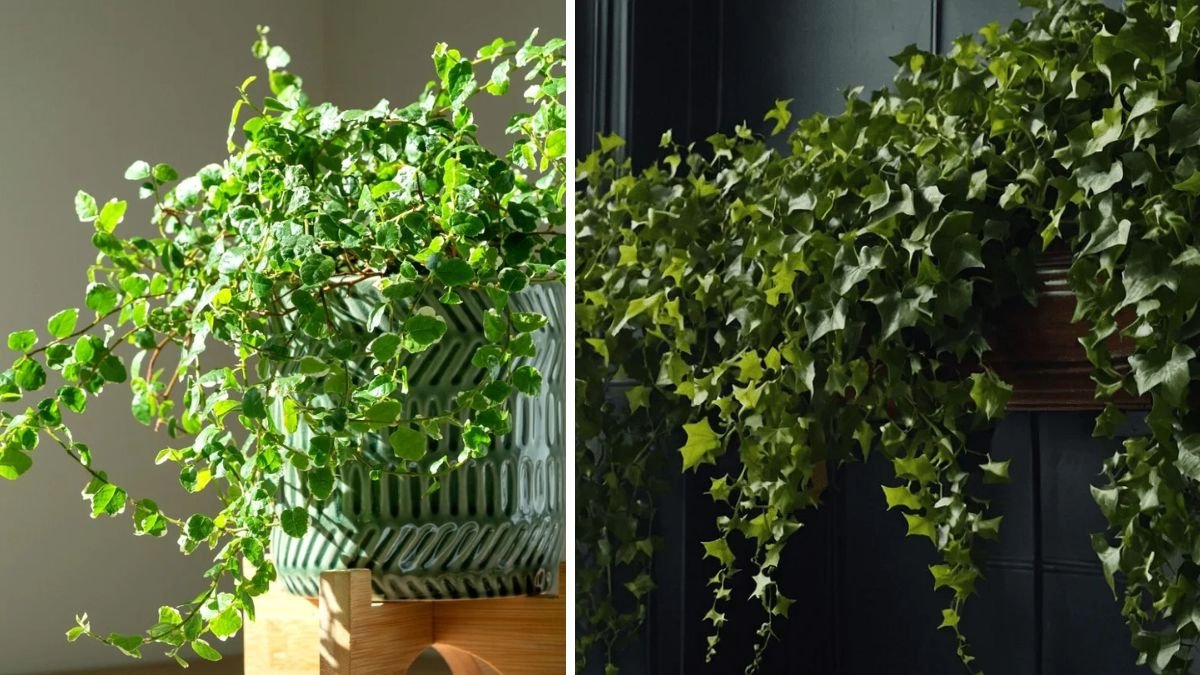
Indoor climbing plants add not only aesthetic appeal to any space but also improve air quality and provide a uniquely refreshing atmosphere. Whether you’re a seasoned plant parent or a beginner, this comprehensive guide is designed to help you cultivate vibrant and thriving climbing plants indoors. From choosing the right species to understanding the ideal conditions for growth, let’s delve into everything you need to know for maximizing your indoor lushness.
Choosing the Right Indoor Climbing Plants
Selecting the appropriate climbing plants is crucial for a successful indoor garden. Some popular climbing plants include:
-
Pothos (Epipremnum aureum): Known for its fast growth and low maintenance, pothos can thrive in a variety of lighting conditions, making it an excellent choice for beginners.
-
Philodendron: These plants not only climb but also have beautiful heart-shaped leaves. Philodendrons adapt well to indoor environments and can grow in low light.
-
Hoya (Hoya carnosa): With its waxy leaves and fragrant flowers, Hoya is perfect for hanging baskets or totem poles. It prefers bright, indirect sunlight.
-
Climbing Fig (Ficus pumila): This small-leaved plant can cling to surfaces, making it ideal for covering walls or trellises.
-
English Ivy (Hedera helix): A classic choice, English Ivy is a vigorous climber that thrives in indirect light and can also help purify the air.
Considerations for Choosing Plants
- Light Requirements: Different plants have varying light needs. Knowing the lighting in your space is vital.
- Space: Ensure that you have enough vertical space for climbers—that’s what they do best!
- Maintenance: Some plants require more care than others. If you’re new to gardening, opt for low-maintenance varieties.
Essential Growing Conditions
To ensure that your indoor climbing plants grow vibrantly, you need to provide them with the right growing conditions.
Light
Light is one of the most critical factors impacting plant growth. Here’s how to cater to the lighting needs of climbing plants:
- Indirect Light: Most indoor climbers prefer bright, indirect light. Avoid direct sunlight, which can scorch the leaves.
- Supplemental Lighting: If natural light is limited, consider using grow lights to provide adequate luminosity.
Watering
Over or under-watering can be detrimental to your climbing plants. Here’s how to navigate this key aspect:
- Soil Moisture: Check the top inch of the soil; if it feels dry, it’s time to water.
- Drainage: Ensure that pots have drainage holes to prevent root rot. Use well-draining soil to allow water to flow freely.
Humidity
Many climbing plants thrive in humid environments. Here are ways to boost humidity indoors:
- Misting: Regularly mist your plants to increase humidity.
- Pebble Trays: Place pots on trays filled with pebbles and water to create a micro-humid environment.
Temperature
Indoor climbing plants generally prefer temperatures between 65°F and 80°F (18°C to 27°C). Sudden temperature changes can stress the plants, so keep them away from drafts or heating vents.
Choosing the Right Containers
The right container plays a significant role in the health of your climbing plants:
- Size: Climbing plants typically require larger pots to accommodate their root systems. Ensure that the pot allows for growth.
- Material: Terracotta pots are excellent for drainage, while plastic pots retain moisture better.
- Training Structures: As climbing plants need support, consider using trellises, moss poles, or other structures to guide their growth.
Training Your Climbing Plants
Training your climbing plants can enhance their beauty and maximize growth. Here are some techniques:
Trellising
Using trellises will allow your climbing plants to grow upwards, promoting better air circulation and sunlight exposure.
- Attach the Plant: Use soft string or garden ties to gently attach the stems to the trellis.
- Regular Trimming: Prune regularly to encourage bushier growth and remove any overly long vines.
Moss Poles
Moss poles simulate a plant’s natural climbing environment:
- Attach to Pole: Wrap the plants around the moss pole, ensuring they have moisture for clinging.
- Moss Maintenance: Keep the moss pole damp but not soggy for maximum effectiveness.
Fertilizing Your Climbing Plants
Regular feeding can promote healthy growth. Here’s what you need to know about fertilization:
- Choose the Right Fertilizer: A balanced, all-purpose fertilizer works well for most climbing plants. Look for one with equal N-P-K (Nitrogen-Phosphorus-Potassium) ratios.
- Frequency: Feed your plants every 4-6 weeks during the growing season (spring and summer) for optimal results.
Common Pests and Diseases
Indoor climbing plants can be susceptible to pests. Here are some common issues:
Pests
-
Spider Mites: Tiny pests that can cause damage by sucking plant juices. Look for webbing. Treat with insecticidal soap or neem oil.
-
Aphids: Small insects that can be removed by gently washing the leaves or using neem oil.
Diseases
-
Root Rot: Often caused by overwatering. Ensure proper drainage and fewer watering intervals.
-
Fungal Diseases: Yellowing leaves and spots can indicate fungal infections. Remove affected leaves and use appropriate fungicides.
Seasonal Care
Adapt your care routine based on the seasons. Here are some considerations:
-
Spring: Increase watering and start fertilizing as plants come out of dormancy.
-
Summer: In warmer months, check soil moisture frequently and ensure adequate humidity.
-
Fall: Gradually reduce watering as growth slows down and prepare the plants for winter.
-
Winter: Keep an eye on light exposure; consider rotating pots to ensure even growth.
Propagation Techniques
Propagation is a great way to expand your indoor garden without additional costs. Common methods include:
Cuttings
- Take Cuttings: Cut a healthy vine just below a leaf node.
- Water Method: Place the cutting in water until roots develop, then pot it in soil.
- Soil Method: Directly plant cuttings in well-draining soil, keeping the soil moist until roots establish.
Division
- Separate Roots: Gently separate established plants into multiple sections during repotting.
- Replant: Each section can be planted in new containers.
FAQs
1. How often should I water my climbing plants?
Water when the top inch of soil feels dry. This typically means every 1-2 weeks, but it can vary based on plant type and environmental conditions.
2. Can I grow climbing plants in low light?
Yes, some climbing plants like pothos and philodendrons can tolerate low-light conditions, but they will grow more vibrantly with sufficient indirect light.
3. How can I identify pests on my climbing plants?
Look for signs like yellowing leaves, webbing, sticky residue, or small insects on the undersides of leaves. Regular inspections help catch infestations early.
4. What type of potting soil is best for climbing plants?
A well-draining potting mix, ideally containing peat moss, perlite, and organic matter, is ideal. You can also add vermiculite for better aeration.
5. Can I keep climbing plants in a bathroom?
Yes, if the bathroom has enough light (especially with plants that enjoy humidity), it can be a perfect spot for climbing plants.
Conclusion
Growing indoor climbing plants can be incredibly rewarding both visually and emotionally. Their beauty adds life to any room, and witnessing their growth can bring a sense of accomplishment. By understanding their light, water, humidity, and care requirements, you can create a thriving environment for these lush, climbing beauties. Happy gardening!