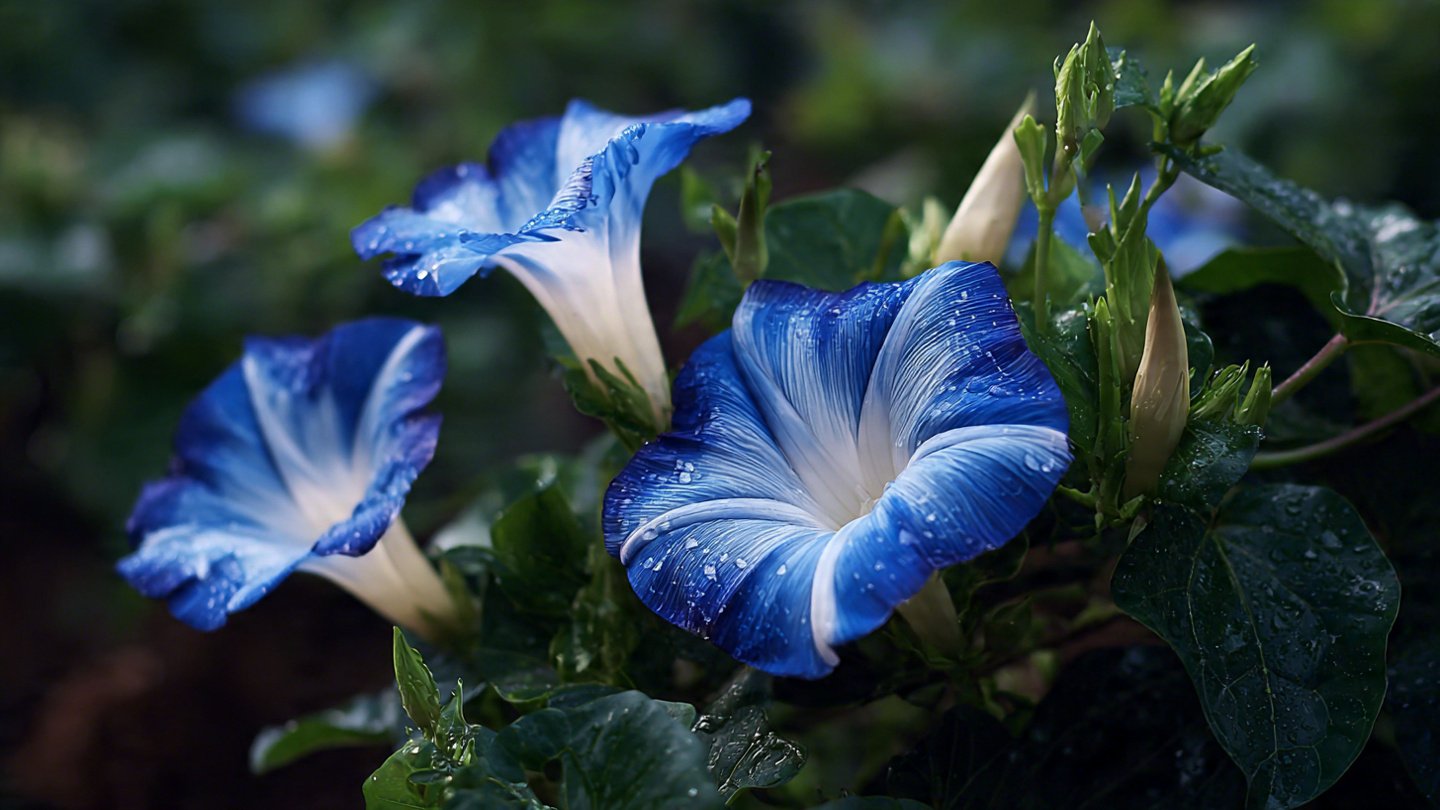
Morning glory, a name that encapsulates the beauty and charm of climbing vines, brings a delightful touch to any garden. These spectacular flowers, known for their vibrant colors and unique trumpet-shaped blooms, can transform fences, trellises, and arbors into stunning floral displays. This guide will help you navigate the journey of growing morning glory from seed, ensuring that your garden bursts with color and life.
Overview of Morning Glory
Morning glory belongs to the Convolvulaceae family and boasts over 1,000 species. The most common types grown in gardens include:
- Ipomoea purpurea: Known as the common morning glory, it features vibrant purple, blue, or pink flowers.
- Ipomoea tricolor: Featuring a distinct three-color pattern, these tend to be larger and are often sought after for their beauty.
- Ipomoea quamoclit: Commonly known as the cypress vine, this variety showcases feathery foliage and star-shaped flowers.
These climbers are not only visually appealing but are also highly cherished for attracting butterflies and hummingbirds into the garden, contributing to biodiversity.
Choosing the Right Location
Morning glories thrive in full sun, so select a location that receives at least six hours of direct sunlight daily. Here are a few considerations for your planting site:
- Sunlight: Aim for a spot that isn’t shaded by trees or buildings.
- Support: Since morning glories are climbers, ensure there’s something for them to cling to—such as trellises, fences, or garden stakes.
- Soil Type: Well-draining soil rich in organic matter is ideal. Although they can tolerate poorer soils, enriched soil contributes to stronger vine growth and more abundant flowers.
Soil Preparation
Proper soil preparation is paramount for the successful growth of morning glory. Here’s how to prepare the soil effectively:
- Testing the Soil: Conduct a soil test to determine pH and nutrient levels. Morning glories prefer a slightly acidic to neutral pH (between 6.0 and 7.0).
- Amendments: If the soil is too heavy or clay-like, mix in organic materials such as compost, well-rotted manure, or peat moss to improve drainage and fertility.
- Tilling: Turn over the soil to a depth of at least 12 inches. This helps aerate the soil and encourages root growth.
Sowing Seeds
When to Plant
Morning glory seeds can be sown directly in the garden after the danger of frost has passed and the soil temperature has reached at least 65°F (18°C). In many regions, this means sowing seeds in late spring or early summer.
How to Sow
- Soak Seeds: Morning glory seeds have a hard outer shell. Soaking them in water for 24 hours before planting can speed up germination.
- Planting Depth: Sow the seeds about 1/2 inch deep and approximately 6 inches apart. If planting multiple rows, space them at least 12-18 inches apart.
- Watering: After sowing, gently water the area to moisten the soil without over-saturating it.
Caring for Morning Glories
Once your seeds have been sown, follow these care tips to promote healthy growth:
Watering
- Frequency: Water the seedlings regularly, especially during dry spells. Morning glories enjoy moist soil but are susceptible to root rot if overwatered.
- Method: Water at the base of the plant to avoid wetting the leaves, which can lead to fungal diseases.
Fertilizing
- Initial Fertilization: If your soil test indicates low nutrient levels, apply a balanced fertilizer at planting time.
- Routine Fertilization: After the plants are established, fertilize them once every four to six weeks with a balanced liquid fertilizer.
Pruning
As the vines grow, you may need to prune them to encourage bushier growth and more blooms:
- Pinch Tips: Pinching the tips of young plants can promote branching.
- Remove Dead Flowers: Deadheading spent flowers encourages the production of new blooms, ensuring a longer flowering season.
Dealing with Pests and Diseases
Morning glories can be relatively pest-resistant, but it’s important to keep an eye out for potential issues:
Common Pests
- Aphids: These tiny, green insects can cause leaf curling and stunted growth. Spray with insecticidal soap to control the population.
- Spider Mites: They thrive in hot, dry weather and can cause yellowing leaves. Regular watering and humidity can prevent infestations.
- Whiteflies: Like aphids, whiteflies can wreak havoc on your plants. Yellow sticky traps can be effective in managing them.
Diseases
- Powdery Mildew: A common fungal disease, it appears as white powder on leaves. Ensure adequate air circulation and avoid overhead watering to minimize risk.
- Root Rot: Caused by overwatering, root rot can kill your plants quickly. Ensure proper drainage and monitor watering habits.
Harvesting Morning Glory Seeds
Once your morning glories have bloomed and begun to fade, you can collect seeds for future planting:
- Seed Pods: Wait for the seed pods to dry on the vine. They will turn brown and crack open.
- Collection: Carefully collect the seeds, ensuring you collect only the seeds from healthy plants.
- Storage: Store seeds in a cool, dry place in labeled envelopes or airtight containers until the next planting season.
FAQs About Growing Morning Glory from Seed
1. Can morning glory be grown in containers?
Yes, morning glories can thrive in containers. Choose a large pot (at least 12 inches in diameter) with good drainage. Provide a trellis or support for climbing.
2. How long does it take for morning glory seeds to germinate?
Morning glory seeds typically germinate within 7-14 days under optimal conditions.
3. Are morning glories annual or perennial?
Most morning glories are annuals, completing their life cycle in one growing season. However, some varieties, particularly in warmer climates, can act as perennials.
4. Why aren’t my morning glories blooming?
A lack of blooms can be attributed to insufficient sunlight, too much nitrogen in the soil, or crowding. Ensure your plants receive enough sunlight and proper spacing.
5. Can morning glories be invasive?
Yes, some species of morning glory can be invasive in certain regions. Monitor their growth, and if they spread aggressively, consider removing them to mitigate their spread.
6. Are morning glories poisonous?
Yes, parts of the morning glory plant are toxic if ingested. Keep them away from pets and small children.
7. Can you grow morning glories from cuttings?
While they do root from cuttings, growing from seeds is more common and reliable.
8. What are the best companion plants for morning glory?
Consider planting morning glories alongside sunflowers, zinnias, or marigolds. These plants thrive in similar conditions and can enhance each other’s visual appeal.
Conclusion
Growing morning glory from seed can be a rewarding endeavor, resulting in a vibrant, colorful garden that attracts pollinators. With the right location, soil, care, and attention to detail, your morning glories will flourish, providing joy not only to you but to the creatures of nature. By following this guide, you’re well on your way to creating a garden that blooms beautifully, one morning at a time. Happy gardening!