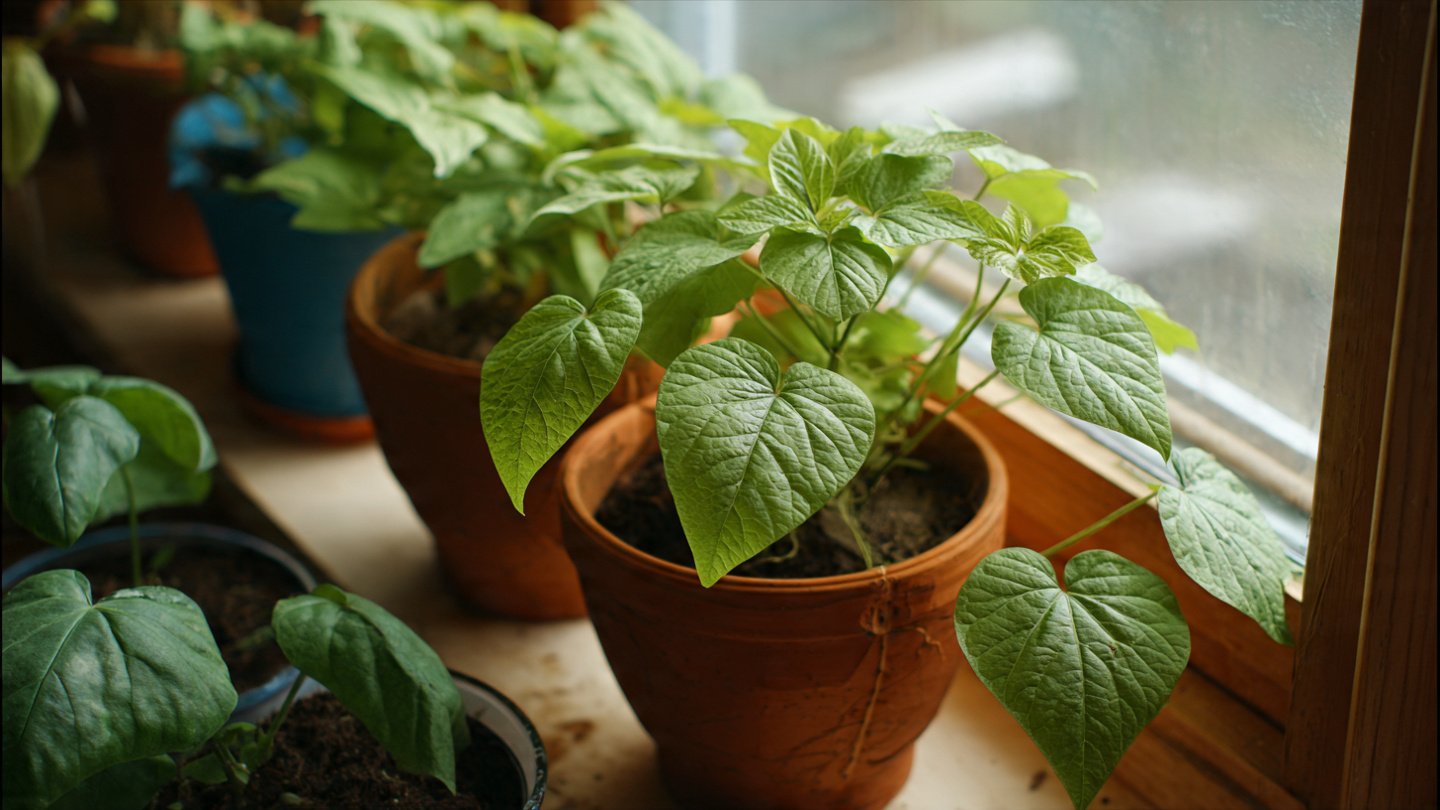
Sweet potatoes (Ipomoea batatas) are not only delicious but also packed with nutrients. Growing sweet potato creepers indoors can be a rewarding endeavor, allowing you to enjoy fresh produce year-round. This guide will walk you through the entire process—from selecting seeds to harvesting your crops—while offering tips to ensure the greatest success.
1. Understanding Sweet Potato Creepers
Sweet potato creepers are vining plants that thrive in warm climates. They are typically grown for their tubers, which can vary in color from orange to purple to white. In addition to tubers, their heart-shaped leaves make them an attractive houseplant. When grown indoors, sweet potatoes require specific attention to light, temperature, and watering.
Benefits of Growing Sweet Potatoes Indoors
- Year-round Availability: You can have homegrown sweet potatoes regardless of outdoor conditions.
- Space-Efficient: Sweet potato creepers can adapt well to containers, making them ideal for indoor gardening.
- Aesthetic Appeal: Their lush vines can beautify your indoor space.
2. Selecting the Right Seeds
2.1 Types of Sweet Potatoes
When choosing sweet potato seeds, consider the following types:
- Orange Flesh: This is the most common variety, known for its sweetness and versatility.
- Purple Flesh: Rich in antioxidants, purple sweet potatoes have an earthy flavor.
- White Flesh: These are milder in taste and often used in savory dishes.
2.2 Buying Seeds
You can buy sweet potato slips (young plants propagated from mature tubers) from gardening stores or online. Ensure you select healthy slips free from disease and pests. Alternatively, you can grow your own slips from a sweet potato. Here’s how:
- Choose a Healthy Sweet Potato: Select an organic, blemish-free tuber.
- Prepare the Sweet Potato: Submerge half of the tuber in water, ensuring that the top half remains above the waterline.
- Place in Light: Position it in a warm and well-lit area, changing the water every few days.
- Wait for Slips: After a few weeks, you’ll see sprouts emerging.
3. Preparing for Growth
3.1 Choosing a Container
Select a container that has good drainage. A 5-gallon pot is generally a suitable size for growing sweet potatoes. Ensure that it has drainage holes to prevent waterlogging.
3.2 Soil Requirements
Sweet potatoes thrive in well-draining, nutrient-rich soil. A mix of potting soil, compost, and perlite is ideal. Aim for a pH level between 5.8 and 6.5. Enhance the soil’s fertility by adding organic matter, such as compost or well-rotted manure.
3.3 Light Requirements
Sweet potatoes require a lot of light—at least 12–14 hours a day. If natural sunlight is insufficient, consider using grow lights. Position lights about 6-12 inches above the plants and adjust as they grow.
3.4 Temperature
Sweet potatoes flourish in warm temperatures, ideally between 70°F and 85°F (21°C to 29°C). If your indoor space is cooler, consider using a heating mat.
4. Planting Sweet Potato Creepers
Once your slips are ready and the environmental conditions are set, it’s time to plant.
4.1 Timing
The best time to plant sweet potato slips is in late winter or early spring when the risks of frost have passed and indoor temperatures are consistently warm.
4.2 Planting Technique
- Prepare the Container: Fill your container with the prepared soil mix, leaving about 2 inches from the top.
- Planting the Slips: Make holes in the soil deep enough to cover the roots of the slips, about 6-8 inches apart.
- Watering: After planting, water the slips thoroughly to help settle the soil.
5. Caring for Your Sweet Potato Creepers
5.1 Watering
Sweet potatoes prefer consistent moisture but dislike soggy soil. Water the plants deeply once a week, adjusting frequency based on indoor humidity and temperature.
5.2 Fertilization
Feed your plants with a balanced, organic fertilizer every four weeks. Avoid over-fertilizing, as this can lead to excessive foliage growth at the expense of tuber development.
5.3 Pruning
Prune your sweet potato creepers to promote airflow and encourage growth. Remove any yellowing leaves or dead vines. This practice will also help maintain a compact growth habit, ideal for indoor gardening.
5.4 Pest Management
Keep an eye out for pests such as aphids, spider mites, and whiteflies. You can manually remove pests or use insecticidal soap if infestations occur. Regular inspections and prompt action are key to keeping your plants healthy.
6. Harvesting Sweet Potatoes
6.1 Timing the Harvest
Sweet potatoes take about 90 to 120 days to grow from slips to mature tubers. Harvest them once the leaves start to yellow and before the first frost. It’s essential to act before the soil temperature drops below 50°F (10°C).
6.2 Harvesting Technique
- Choose a Dry Day: Pick a dry day for harvesting to prevent tuber rot.
- Gently Loosen the Soil: Use a spade or a fork to carefully loosen the soil around the base of the plant, being cautious not to harm the tubers.
- Lift the Tubers: Hand-pull the tubers from the soil and shake off excess soil.
6.3 Curing Sweet Potatoes
Post-harvest, sweet potatoes need to be cured to enhance their sweetness and prolong storage.
- Curing Process: Place the harvested tubers in a warm (around 85°F/29°C), humid environment for 10-14 days. This process helps to heal any cuts or bruises while improving flavor.
7. Storing Sweet Potatoes
Once cured, store sweet potatoes in a cool, dry, and dark place. They can last for several months when stored properly.
FAQs
Q1: Can I grow sweet potatoes in limited sunlight?
A1: Yes, but it’s best to provide at least 12 hours of bright light. If natural light is limited, using grow lights is advisable.
Q2: How often should I water my sweet potato plants?
A2: Water your plants deeply once a week, adjusting based on indoor conditions. Ensure the soil is moist but not waterlogged.
Q3: Is it possible to grow sweet potatoes in soil other than potting mix?
A3: While potting mix is ideal, you can also use a garden soil mix enriched with organic matter. Ensure good drainage.
Q4: How do I identify when my sweet potatoes are ready for harvesting?
A4: Harvest when the leaves begin to yellow, but before the first frost. Typically, sweet potatoes take 90 to 120 days to mature.
Q5: What can I do if my sweet potato plants experience pest issues?
A5: Regularly check for pests, and use insecticidal soap or neem oil if you spot infestations. Early detection is crucial.
Q6: Can I use sweet potato vines for culinary purposes?
A6: Yes, young sweet potato leaves are edible and can be used in salads or cooked like spinach.
Conclusion
Growing sweet potato creepers indoors can be an enriching and fulfilling project. From selecting the right seeds to maintaining optimal conditions and finally harvesting, every step contributes to a rewarding gardening experience. With care and proper management, you will soon enjoy the fruits of your labor—fresh, homegrown sweet potatoes! Happy gardening!