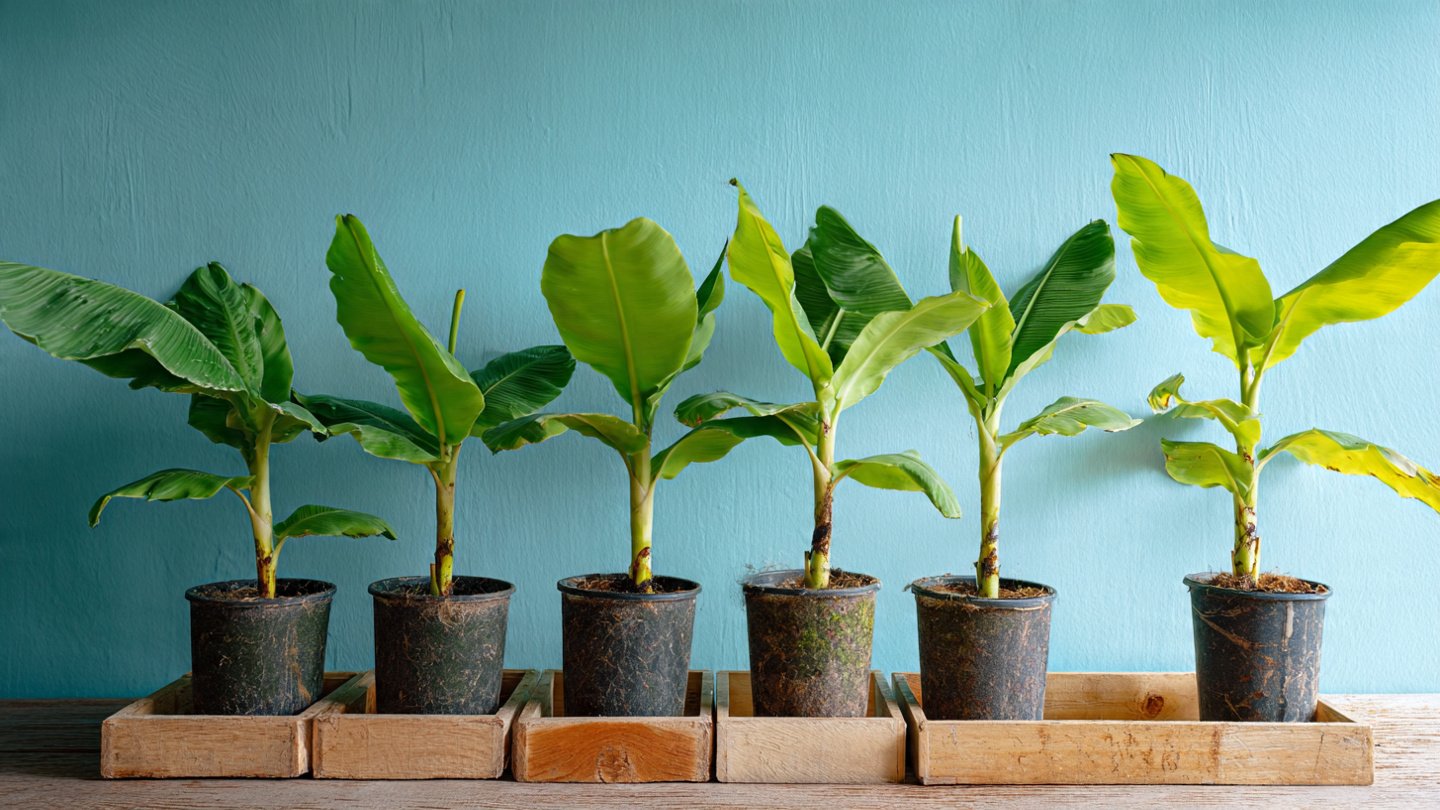
Banana plants (Musa spp.) are fascinating tropical beauties, beloved for their lush foliage and delectable fruit. Propagating banana plants using suckers — the offshoots that grow from the base of the mother plant — is not only effective but also rewarding. This guide will provide you with all the information you need to successfully propagate banana plants, ensuring that your gardening efforts yield fruitful results.
Understanding Banana Plant Suckers
Suckers are secondary shoots that emerge from the base of a banana plant. There are two main types of suckers:
-
Water Suckers: These are fast-growing and often emerge in abundance. Unfortunately, they tend to be weaker and less robust than their counterparts.
-
Sword Suckers: These suckers are more mature, thicker, and generally healthier. They have a blade-like shape, which is how they get their name. Sword suckers are ideal for propagation due to their vigor.
Why Propagate with Suckers?
- Cost-Effective: Propagating banana plants using suckers eliminates the need to purchase new plants.
- Genetic Consistency: Suckers are clones of the parent plant, ensuring that you will get the same fruit quality and plant characteristics.
- Simplicity: The process is straightforward and can be done with minimal gardening skills.
Choosing the Right Time
Timing plays a crucial role in successful propagation. The best time to propagate banana plants is during the growing season, which varies based on your geographic location:
- Tropical Climates: Year-round growth is common, so propagation can occur anytime there are healthy suckers.
- Temperate Climates: Focus on spring to early summer when the temperatures are warm, and growth is vigorous.
Identifying Healthy Suckers
Before you begin propagation, it’s essential to identify healthy suckers:
- Size: Look for suckers that are at least 1-2 feet tall and have a healthy green color.
- Root Development: Ideally, the sucker should have visible roots or root buds, indicating that it’s ready for separation.
- Location: Choose suckers that are positioned away from the central stem to avoid damaging the mother plant.
Tools and Materials You’ll Need
To successfully propagate banana plants, make sure you have the following tools and materials:
- Sharp Knife or Pruning Shears: For cutting suckers from the mother plant.
- Gloves: To protect your hands while working.
- Potting Soil: A well-draining mix, preferably rich in organic matter.
- Plant Pot or Container: For growing the newly propagated suckers.
- Water: For keeping the soil moist.
Step-by-Step Guide to Propagation
Step 1: Preparing the Environment
- Location: Choose a sunny spot for the suckers to thrive. Banana plants typically require full sun (at least 6 hours a day).
- Soil Preparation: Ensure the potting soil is well-draining. You may want to mix in compost to enrich the soil’s nutrient levels.
Step 2: Separating the Suckers
- Gently Remove Soil: If the sucker is rooted, gently remove the soil around the base to expose the roots.
- Cut the Sucker: Use your sharp knife or pruning shears to cut the sucker away from the mother plant. Aim to leave at least a small portion of the root system attached.
- Trim Leaves (Optional): If the sucker has large leaves, you may wish to trim them back by one-third to reduce stress during transplantation.
Step 3: Planting the Sucker
- Fill the Pot: Add potting soil to your container, leaving enough space at the top for the sucker.
- Insert the Sucker: Place the sucker in the pot and fill around the roots with soil. Ensure that the sucker is upright and stable.
- Water Thoroughly: Water the newly planted sucker to help settle the soil and encourage root growth.
Step 4: Caring for the New Plant
- Watering: Keep the soil consistently moist but not waterlogged. Over-watering can cause root rot.
- Fertilizing: After about a month, apply a balanced fertilizer to encourage growth. A high-potassium fertilizer is ideal for bananas.
- Providing Support: If the sucker is tall and spindly, consider providing support with a stake until it establishes itself.
Transplanting to the Garden
After a few months, the sucker should develop a strong root system. At this point, you may want to transplant it into your garden:
- Choose the Right Spot: Find a sunny, well-draining location in your garden.
- Prepare the Soil: Amend the garden soil with compost to improve fertility.
- Transplant: Dig a hole that is slightly larger than the root ball and carefully place the banana plant in. Fill the hole and water thoroughly.
- Ongoing Care: Keep the soil moist and continue fertilizing monthly.
Challenges You May Encounter
- Pest Issues: Watch out for pests like aphids and spider mites. Regularly inspect your plants and treat them with organic insecticides if necessary.
- Disease: Yellowing leaves or black sigatoka disease can affect banana plants. Ensure good air circulation and avoid overhead watering to minimize disease risk.
Maintaining Your Banana Plantation
Once your banana plants are established, maintaining them is key to ensuring a healthy harvest.
- Regular Pruning: Remove dead or damaged leaves to prevent disease and promote air circulation.
- Pest Control: Keep an eye on common pests and take action when you notice signs of infestation.
- Watering: Bananas need a consistent supply of water, especially during dry seasons. Aim for a deep watering once a week.
- Fertilization: Continue feeding your plants during the growing season with a potassium-rich fertilizer.
FAQs
1. How long does it take for a banana sucker to produce fruit?
It typically takes 12-18 months for a banana sucker to produce fruit, depending on the variety and growing conditions.
2. Can I propagate banana plants from seeds?
While banana plants do produce seeds, most cultivated varieties are seedless and propagated through suckers for better results.
3. How often should I water my newly planted banana sucker?
Keep the soil consistently moist but not waterlogged. For newly planted suckers, watering every few days may be necessary until they establish.
4. What diseases should I watch for in my banana plants?
Common diseases include black sigatoka, Panama disease, and banana bunchy top virus. Regular monitoring and good hygiene can help prevent these issues.
5. Do banana plants need full sun to thrive?
Yes, banana plants thrive in full sun, requiring at least six hours of direct sunlight daily.
6. Can I keep banana plants indoors?
While banana plants can be grown indoors, they require a very bright location and are best suited for outdoor gardens. They also need humidity to thrive.
7. Is it possible to propagate banana plants from cuttings?
No, banana plants cannot be successfully propagated from cuttings, as they do not develop roots from stems. Suckers are the best method for propagation.
Conclusion
Propagating banana plants using suckers is an enjoyable and rewarding gardening endeavor. With proper timing, healthy suckers, and suitable care, you can cultivate a flourishing banana garden that offers delicious fruit for years to come. Whether you’re a seasoned gardener or a beginner, this guide has equipped you with the knowledge you need to succeed in propagating these tropical treasures. Happy gardening!