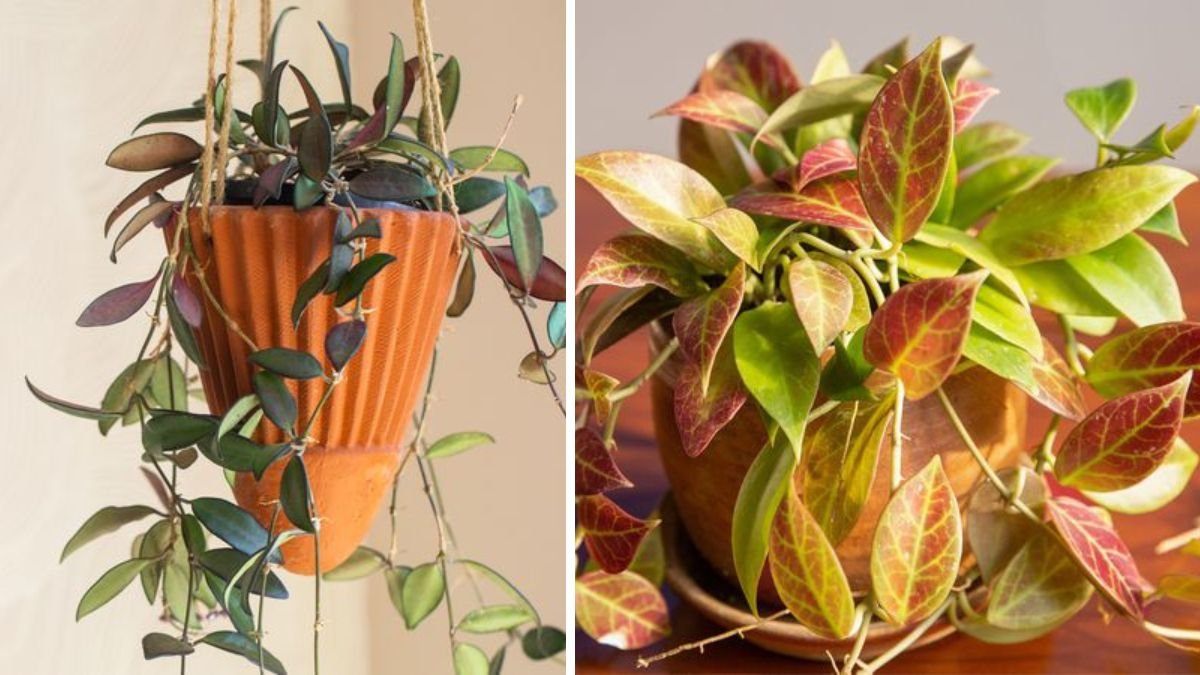
Hoya plants, also known as wax plants or porcelain flowers, are popular among indoor gardeners due to their unique leaves and beautiful, fragrant flowers. One specific type that has garnered attention is the Hoya carnosa var. compacta, commonly known as the Hoya rope plant. Its trailing vines and thick, waxy leaves make it an attractive addition to any collection. However, like all houseplants, the Hoya rope plant requires proper care, particularly when it comes to preventing root rot. This ultimate guide will walk you through the essentials of growing Hoya rope plants while emphasizing effective techniques to prevent rot.
Understanding Hoya Rope Plants
Before diving into care strategies, it’s essential to understand the plant itself. The Hoya rope plant features twisting, dense vines that emerge from a central stem. These vines can grow several feet in length, making them excellent for hanging baskets or trailing from shelves. The leaves are thick and have a glossy finish, often exhibiting a variegated pattern.
Ideal Growing Conditions
-
Light: Hoya rope plants thrive in bright, indirect light. They can tolerate some direct sunlight, but too much can scorch the leaves. A south or east-facing window is ideal.
-
Temperature: These plants prefer warm temperatures, ideally between 60°F and 80°F (15°C to 27°C). Avoid exposing them to sudden temperature drops or drafts.
-
Humidity: Hoya plants enjoy higher humidity levels. A humidity level of 60% or more is optimal, but they can tolerate lower levels if necessary.
-
Soil: Well-draining soil is crucial. A potting mix designed for succulents or a blend of peat moss, perlite, and orchid bark will work well.
-
Watering: Understanding when and how to water is vital. Hoya plants are epiphytes, meaning they thrive in moist but well-drained environments.
Growing Hoya Rope Plants
Choosing the Right Pot
Selecting the correct pot for your Hoya rope plant is essential for root health. Choose a pot with ample drainage holes to allow excess water to escape. Terra cotta pots are an excellent option as they help wick moisture away from the soil.
Potting Mix
A well-draining potting mix is vital to prevent root rot. You can create your blend using:
- 60% potting soil
- 30% perlite or coarse sand
- 10% orchid bark or coco coir
This mix allows for good airflow around the roots and prevents water from sitting in the pot.
Planting Techniques
When planting your Hoya rope plant, ensure the roots are spread out evenly in the pot. Fill in with your chosen potting mix, gently pressing down around the roots. Avoid burying the stem as this can lead to stem rot.
Effective Rot Prevention Techniques
-
Watering Practices
- Frequency: Allow the top 1-2 inches of soil to dry out before rewatering. This can mean watering once every 1-2 weeks, depending on environmental conditions.
- Method: Always water deeply until water drains out of the bottom. Ensure the pot and soil drain effectively before watering again. Avoid letting the pot sit in water.
-
Soil Aeration
Soil that retains too much moisture can lead to rot. Consider using a soil moisture meter to gauge when it’s the right time to water. The ideal moisture level for a Hoya is slightly moist but not soggy.
-
Fertilizing Cautiously
While fertilization encourages growth, over-fertilizing can lead to nutrient burn and root problems. During the growing season (spring and summer), use a diluted liquid fertilizer every month. A balanced fertilizer with a ratio of 1:1:1 is ideal. In the fall and winter, reduce or halt fertilization.
-
Temperature Control
Maintaining a steady temperature is crucial. Avoid placing your Hoya plant near heating or cooling vents, as temperature fluctuations can stress the plant and increase the risk of root rot.
-
Pest Management
Pests like mealybugs and spider mites can weaken your plant, making it more susceptible to rot. Regularly check your plants for signs of infestation, and treat with insecticidal soap if needed.
-
Repotting
Hoya plants can become root-bound, leading to water retention. It’s recommended to repot every 2-3 years. Choose a pot that’s slightly larger than the current one and ensure it has good drainage. Repot in the spring for optimal recovery.
Common Issues and Solutions
Root Rot
If you notice yellowing leaves, mushy roots, or a foul odor emanating from the pot, these may be signs of root rot. Here’s what to do:
- Remove from Pot: Carefully take the plant out of its pot.
- Inspect: Trim away any mushy or brown roots with sterilized scissors.
- Repot: Rinse the remaining healthy roots and repot into fresh, dry potting mix. Ensure the new pot has good drainage.
Overwatering Signs
Leaf yellowing or wilting can indicate overwatering. Always check the soil moisture before watering to avoid this issue.
Underwatering Signs
If the leaves are wrinkled or crispy, that may indicate underwatering. Increase your watering frequency, but ensure proper drainage remains intact.
FAQs
1. How often should I water my Hoya rope plant?
Water your Hoya once every 1-2 weeks, allowing the top 1-2 inches of soil to dry out between watering sessions.
2. What is the best temperature for Hoya rope plants?
Hoya rope plants thrive in temperatures between 60°F (15°C) and 80°F (27°C). Avoid exposing them to cold drafts.
3. How can I increase humidity for my Hoya plant?
Consider using a humidifier, placing a pebble tray filled with water beneath the pot, or grouping your plants together to increase local humidity.
4. Can I use regular potting soil for my Hoya?
Regular potting soil may retain too much moisture. It’s best to use a well-draining mix or create a custom blend with perlite and orchid bark.
5. What should I do if my Hoya leaves are yellowing?
Yellowing leaves may indicate overwatering or poor drainage. Check the moisture level and adjust your watering habits as necessary.
6. How can I propagate my Hoya rope plant?
You can propagate Hoya rope plants through stem cuttings. Choose a healthy segment with a few leaves, cut it just below a node, and place it in water or a potting mix until roots develop.
Conclusion
The Hoya rope plant is a stunning addition to any indoor garden, but it requires attention to detail, especially regarding watering and drainage. By following the guidelines outlined in this ultimate guide, you can successfully cultivate a thriving Hoya rope plant while minimizing the risk of rot. Happy gardening!