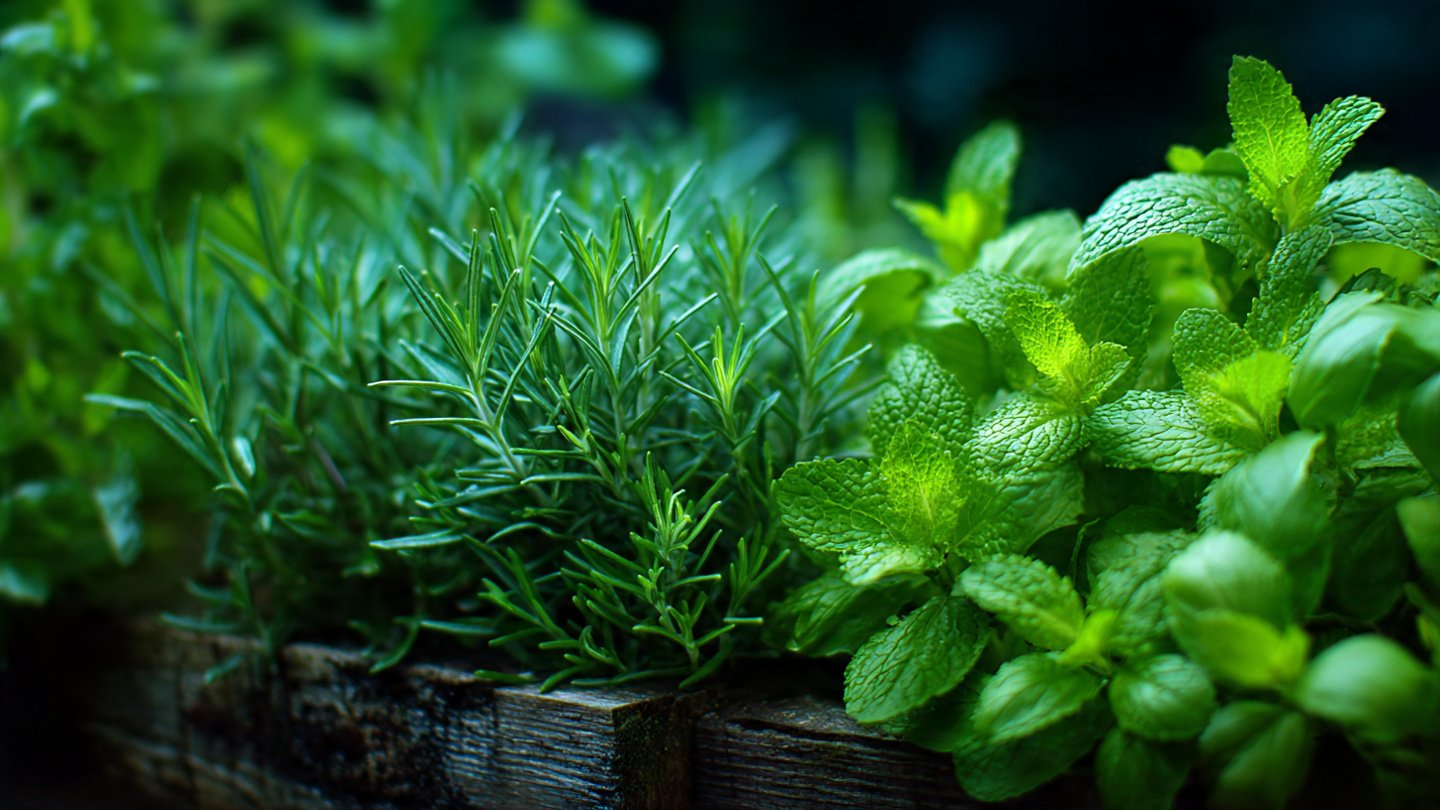
Growing herbs at home can be a rewarding experience, providing fresh flavors for your culinary adventures and enhancing the aesthetics of your garden. However, one common issue that herb gardeners face is the sudden color fade of their plants. This phenomenon can be alarming, especially after putting in the effort and care to grow them. In this article, we will explore the causes of color fade in homegrown herbs, how to identify the problem, and the steps you can take to restore the vibrancy of your plants.
The Importance of Color in Herbs
Color in herbs isn’t just a visual aspect; it’s often an indicator of the plant’s health. Various pigments, such as chlorophyll (green), carotenoids (yellow and orange), and anthocyanins (red and purple), contribute to the color of herbs. These pigments serve multiple functions, including photosynthesis, UV protection, and attraction of pollinators. When herbs lose their vibrant colors, it can indicate underlying problems that may affect growth, flavor, vitality, and even the plant’s ability to thrive.
Common Causes of Sudden Color Fade
1. Nutrient Deficiencies
Nutrient deficiencies are one of the most prevalent causes of sudden color fade in herbs, especially nitrogen and magnesium deficiencies. Plants require a balanced diet of nutrients for optimal growth; an absence of essential elements can lead to poor coloration. For example:
- Nitrogen Deficiency: This will typically manifest as yellowing of the leaves, particularly the older leaves, while the newer leaves may remain green. Nitrogen is crucial for chlorophyll production, which means a deficiency directly impacts the plant’s green coloration.
- Magnesium Deficiency: Magnesium plays a vital role in chlorophyll production, and a lack of it often leads to yellowing between the leaf veins, giving leaves a mottled appearance.
2. Environmental Stress
Environmental stressors can also lead to sudden color fading. Conditions such as extreme temperatures, inadequate light, or irregular watering can place undue stress on your herbs.
- Extreme Temperatures: Both heat and cold can lead to color changes. High temperatures can cause herbs to go into survival mode, leading to a loss of vibrancy, while cold temperatures may inhibit growth and stunningly change leaf colors.
- Light Conditions: Insufficient light can cause plants to become leggy and lose their vibrant color. Conversely, too much direct sunlight can scorch leaves, leading to faded patches or browning.
3. Watering Issues
Both overwatering and underwatering can adversely affect herb health.
- Overwatering: When soil remains soggy, roots can become oxygen-deprived, leading to root rot, which in turn causes yellowing and fading in foliage.
- Underwatering: When herbs are not given enough water, they undergo hydration stress. Affected plants may start to exhibit color fading along with wilting or dry, crispy leaves.
4. Pests and Diseases
Unseen invaders can also contribute to sudden color fade. Pests such as aphids or spider mites feed on the sap of your herbs, stealing vital nutrients and leading to discoloration. Furthermore, diseases like powdery mildew can affect the health of the plant, reducing the chlorophyll content and affecting overall greenery.
5. Soil pH Imbalance
The pH level of the soil can significantly impact nutrient availability. Most herbs thrive in slightly acidic to neutral pH (6.0 to 7.0). If the pH strays too far from this range, it can lead to nutrient lockout, meaning that, despite being present in the soil, nutrients become unavailable to the plants. This can lead to color fading and poor growth.
Identifying the Problem
To address the sudden color fade in your homegrown herbs, it’s crucial to first identify the underlying cause. Here are some strategies to help with diagnosis:
Observe the Plant’s Leaves
Check for specific symptoms associated with discoloration:
- Yellowing leaves with green veins can indicate nitrogen deficiency or magnesium deficiency.
- Leaf margins turning brown may suggest a lack of water or nutrient deficiency.
- Pale or washed-out leaves might indicate excess sunlight or high temperatures.
Assess the Growing Environment
Review the conditions in which your herbs are growing:
- Check the light levels: Is the plant receiving adequate sunlight? Is it time to relocate it to a sunnier spot or provide some shade?
- Evaluate temperature extremes: Are there sudden temperature fluctuations? Have nighttime temperatures dipped too low?
- Monitor watering habits: Are you following a consistent watering schedule, and is your soil draining well?
Conduct a Soil Test
Testing the soil pH and nutrient levels can provide critical insights. Simple home testing kits are available, and more detailed analysis can be conducted through local extension services. Knowing your soil’s nutrient profile can inform you on what amendments are needed.
Steps to Restore Vibrancy
Once you’ve diagnosed the cause of color fading, you can take specific actions to restore your herbs’ health.
1. Adjust Nutrient Levels
- Fertilization: For nitrogen deficiencies, consider using a balanced fertilizer or one high in nitrogen, such as fish emulsion. For magnesium deficiencies, Epsom salt (magnesium sulfate) can be a useful amendment.
2. Modify Environmental Conditions
- Light Adjustment: If light levels are insufficient, consider moving your herbs to a sunnier spot, or supplementing with grow lights. If the sun is too intense, providing partial shade during the hottest part of the day can help.
- Temperature Control: Provide shade cloth during very hot days and mulch around plants to regulate soil temperature.
3. Watering Practices
- Optimizing Watering: Ensure that you are watering consistently and allowing the soil to dry partially between waterings. Check the drainage in pots; consider employing pots with drainage holes to avoid sogginess.
4. Pest and Disease Management
- Inspect for Pests: Use insecticidal soap or neem oil to manage pest infestations. Regularly inspect the undersides of leaves, as that’s where many pests like to hide.
- Address Diseases: Improve air circulation around your plants and avoid overhead watering to help prevent fungal diseases such as powdery mildew.
5. Soil Amendments
- pH Correction: To adjust soil pH, you can add lime to raise pH or sulfur to lower it. Always conduct a soil test first to understand the amendments required.
Prevention Strategies
Preventing future occurrences of color fade is equally important. Here are some strategies to ensure the health of your herbs:
- Regular Monitoring: Observe plants regularly for early signs of distress. Catching issues early makes them easier to manage.
- Diverse Planting: Incorporate a variety of herbs to promote biodiversity. This can help mitigate the impact of specific pests or diseases.
- Adequate Spacing: Ensure proper spacing between plants to allow for air circulation and reduce the risk of disease.
- Mulching: Use mulch to help retain moisture and regulate temperature around the root zone.
Conclusion
Sudden color fade in homegrown herbs can be distressing but understanding the causes and solutions can lead to a quicker recovery and healthier plants. By observing plant symptoms, assessing environmental conditions, adjusting nutrient levels, and employing good gardening practices, you can restore the vibrancy of your herb garden. Remember, taking proactive measures and regular monitoring can significantly reduce the risk of color fade in the future, allowing you to enjoy a bountiful and beautiful herb garden for culinary delights. Happy gardening!