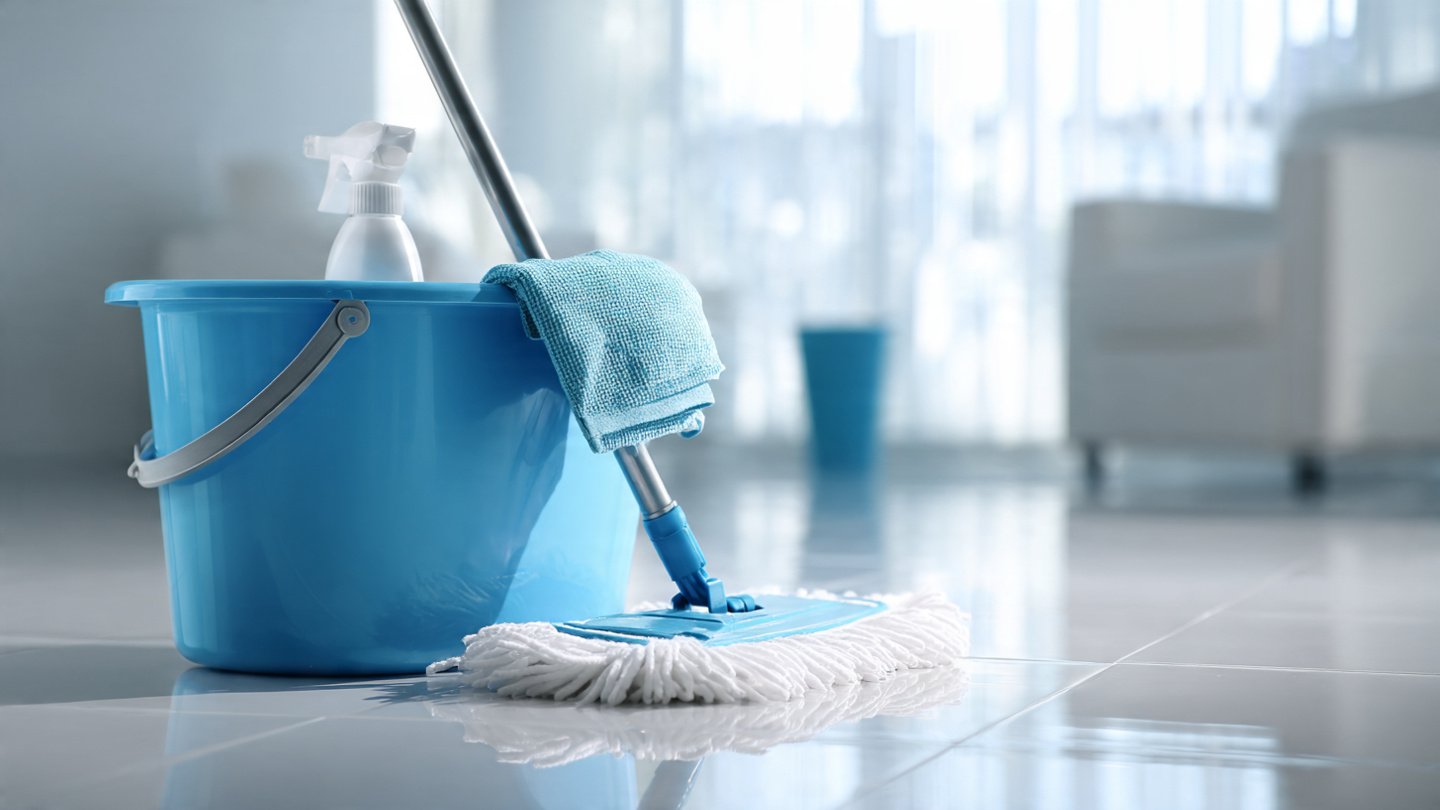
In today’s world, where efficiency and sustainability are paramount, cleaning practices are being scrutinized. The traditional methods that consume significant energy and resources are no longer acceptable. However, the good news is that it’s possible to maintain high cleaning standards while being mindful of energy consumption. This article will delve into the principles of energy-efficient cleaning and offer practical tips to achieve results without compromising on cleanliness.
The Importance of Energy Efficiency in Cleaning
Energy-efficient cleaning is not simply a trend; it reflects a growing awareness of environmental impact and operational costs. By adopting energy-efficient cleaning practices, individuals and organizations can:
- Reduce their carbon footprint.
- Lower utility bills.
- Prolong the life of cleaning equipment.
- Enhance employee satisfaction and well-being.
By understanding the significance of energy efficiency, you can better appreciate the methods we’ll explore in this article.
Understanding Energy Consumption in Cleaning
Before jumping into the solutions, it’s essential to comprehend how energy is consumed during the cleaning process. Factors include:
- Equipment: The type of machinery and tools used can greatly affect energy usage. For example, older vacuum cleaners may consume more power than newer, energy-efficient models.
- Cleaning Agents: Using concentrated cleaning agents can minimize the amount required for effective cleaning and reduce water usage.
- Water Usage: Traditional cleaning methods often waste significant quantities of water. Finding ways to clean effectively with less water can lead to both energy and resource savings.
- Work Patterns: How often and how thoroughly spaces are cleaned can also impact energy consumption.
Tips for Energy Efficient Cleaning
Now that we understand the factors influencing energy consumption in cleaning, let’s explore specific tips for achieving energy efficiency.
1. Invest in Energy-Efficient Equipment
Modern cleaning equipment is designed with efficiency in mind. Consider switching to:
- Energy Star-rated vacuum cleaners and machines.
- Robotic vacuums that can operate on a schedule, cutting down on manual cleaning time.
- Low-energy floor scrubbers and pressure washers.
2. Opt for Natural Cleaning Solutions
Many commercial cleaning products contain chemicals that harm the environment. Switching to natural products reduces both environmental impact and energy usage. Some effective natural cleaners include:
- Baking soda for scrubbing.
- Vinegar for disinfecting.
- Lemon juice for cutting grease.
These ingredients require less energy to produce and are often just as effective as their chemical-heavy counterparts.
3. Adopt Smart Cleaning Schedules
Efficiency isn’t just about the products you use; it’s also about how often and when you clean. Implement the following strategies:
- Establish a routine that minimizes the need for intensive cleaning sessions.
- Focus on high-traffic areas and prioritize surface cleaning over deep cleaning.
4. Use Concentrated Cleaning Products
Using concentrated cleaning solutions means that you’ll need less product for the same level of cleanliness. This not only saves energy but also reduces water usage:
- Dilute concentrated cleaners as per instructions to get maximum efficiency.
- Store excess concentrated cleaners properly to avoid waste.
5. Optimize Water Usage
Water is a significant part of the cleaning process. Reduce water consumption by:
- Using microfiber cloths that require less water than traditional cleaning cloths.
- Implementing water-saving techniques, like switching off taps while scrubbing.
6. Educate Staff and Family Members
Education is crucial for ensuring that everyone understands the importance of energy-efficient cleaning methods. Hold training sessions that cover:
- How to use equipment properly to maximize efficiency.
- The benefits of using eco-friendly products.
- Best practices for maintaining cleanliness without heavy usage.
7. Monitor and Measure Results
Keep track of energy bills and cleaning supplies to analyze the effectiveness of your energy-efficient practices. This can include:
- Using software for tracking energy usage.
- Conducting tests to compare traditional methods against energy-efficient methods.
The Role of Technology in Energy-Efficient Cleaning
Technology plays a pivotal role in enhancing energy efficiency. Some advancements include:
- Smart Scheduling: Automated cleaning schedules reduce wasted time and energy.
- IoT Devices: Smart devices monitor energy consumption in real-time, offering insights on how to save.
- Eco-Friendly Innovations: New cleaning technologies, like chemical-free cleaning systems, are becoming more widely available.
Conclusion
Energy-efficient cleaning does not mean compromising on cleanliness or effectiveness. By being thoughtful about equipment, products, and practices, you can achieve a clean space while also being mindful of your environmental impact. The transition may take time, but the long-term benefits—a cleaner world, lower costs, and enhanced well-being—make it worthwhile. Start implementing these practices today, and you’ll not only improve your cleaning routine but also contribute positively to the planet.
FAQs
1. What are some eco-friendly cleaning products I can use?
Common eco-friendly products include vinegar, baking soda, castile soap, and homemade solutions that utilize natural ingredients. Many commercial brands also offer environmentally safe cleaning products.
2. How can I reduce water usage when cleaning?
To reduce water usage, you can use microfiber cloths, avoid running water continuously, and clean in larger batches to minimize waste. Additionally, consider using steam cleaning methods, which require less water.
3. Is it really worth investing in energy-efficient cleaning equipment?
Yes, while the initial investment might be higher, energy-efficient equipment typically saves on electricity costs over time, reduces your environmental impact, and often provides better cleaning results.
4. Can I maintain energy efficiency while using professional cleaning services?
Certainly! When hiring a cleaning service, inquire about their practices regarding energy efficiency and eco-friendly products. You can also specify your requirements to ensure they align with your sustainability goals.
5. How often should I deep clean my home for energy efficiency?
Deep cleaning frequency can depend on usage and traffic in your home. A general rule of thumb is to perform a deep clean every 3-6 months while maintaining regular cleaning in between to avoid excessive buildup.