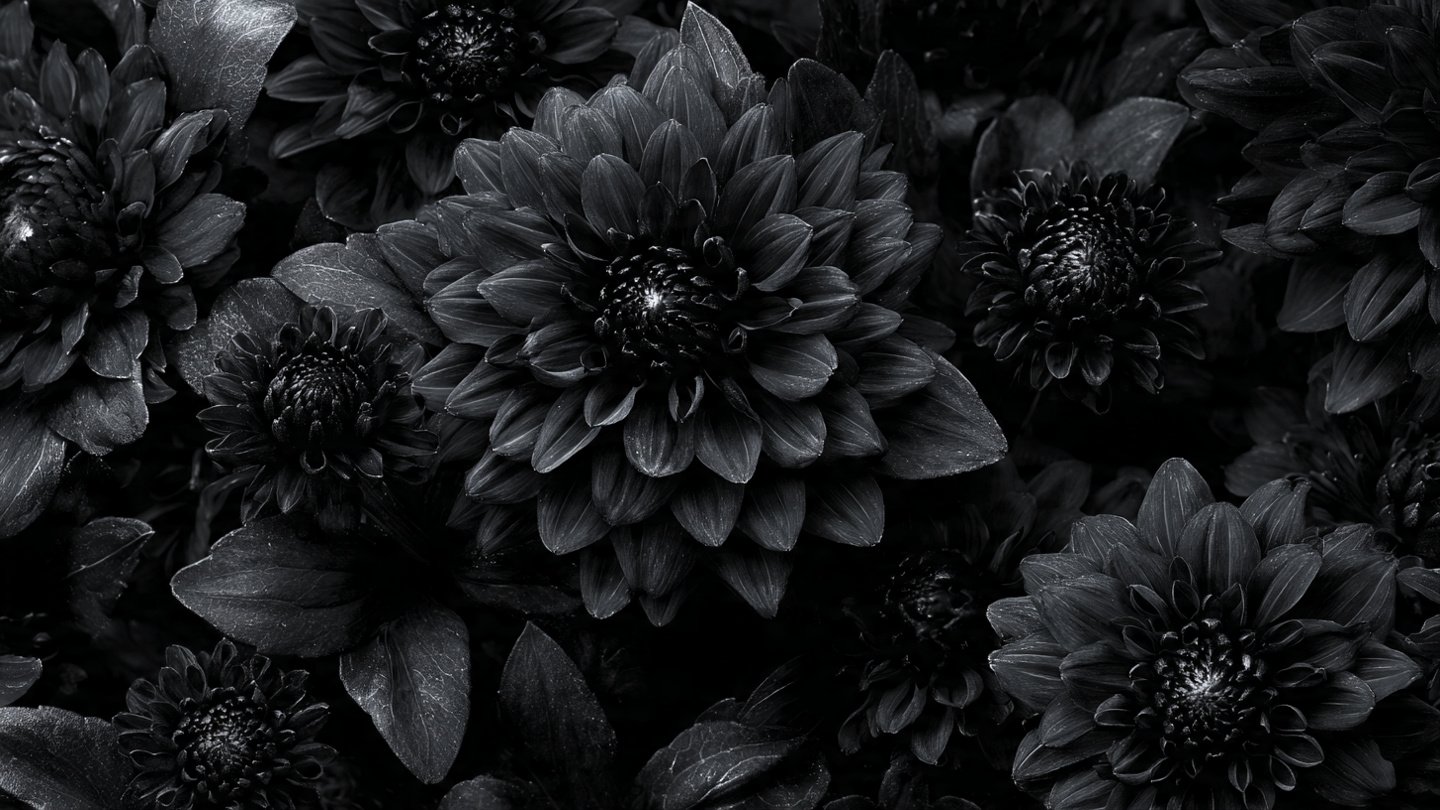
Black flowers are a rare and captivating phenomenon in the floral world. Their deep, dark hues evoke mystique and beauty, making them desirable for gardens, floral arrangements, and symbolic uses. This article delves into the enigma of cultivating the darkest black flowers, exploring the science, methods, and artistry involved.
The Allure of Black Flowers
Historically, black flowers have represented various themes—mystery, elegance, mourning, and even rebellion. They are often associated with gothic aesthetics and have been integrated into various cultures as symbols of power and sophistication. Flowers like the Black Rose, Black Calla Lily, and Black Orchid are particularly famous for their striking features.
Understanding Color in Flowers
The color of a flower depends on the pigments present in its petals. The most common pigments which influence flower color include:
- Anthocyanins: These pigments can appear red, blue, or purple, but sometimes combine to create shades that may appear black in certain plants.
- Chlorophyll: This pigment is primarily responsible for green hues. In some plants, a lack of chlorophyll allows deeper tones to shine through.
- Carotenoids: Responsible for yellow and orange hues, these pigments can also play a role in the overall coloration of dark flowers when combined with others.
The Science Behind Dark Flowers
Creating true black flowers is challenging. Most “black” flowers are not entirely black; rather, they display a very dark purple or red hue that appears black under certain lighting conditions. The genetic makeup of the plant, specific environmental conditions, and care methods all contribute to the final color.
Genetic Manipulation
Some black flowers are the result of careful breeding. Plant breeders aim for traits that enhance the depth of color, including:
- Selective Breeding: Through selective breeding, gardeners can highlight traits that enhance darkness in flowers. This involves cross-pollination of desirable characteristics.
- Grafting: Grafting techniques can combine plants, allowing one to take on the color attributes of another.
Environmental Influences
Environmental factors, including soil quality, light exposure, and water, significantly affect flower pigmentation. Here’s how:
- Soil pH: The acidity or alkalinity of the soil can change flower color. For instance, some flowers will shift to darker pigments in more acidic soils.
- Sunlight: Intense sunlight can enhance the richness of colors, while too much or too little light may affect pigmentation.
- Watering Practices: Consistent and appropriate watering can prevent stressors that would alter flower color.
Top Black Flowers to Cultivate
Several flowers are renowned for their dark hues. Here are a few popular choices:
- Black Rose: These elegant flowers have captivated people for years, often used in romantic or gothic-themed arrangements.
- Black Calla Lily: Known for its trumpet-shaped bloom and dark, dramatic appearance, this flower symbolizes rebirth.
- Black Orchid: The rarest of all and often associated with luxury, this exotic bloom adds a unique touch to any garden.
- Queen of the Night (Cereus): This cactus blooms at night with magnificent white blooms that appear to have dark undertones during the day.
Steps to Cultivating Black Flowers
To successfully cultivate black flowers, follow these essential steps:
- Choose the Right Flower: Start with varieties known for their dark colors and ensure they are suitable for your climate.
- Select the Right Location: Ensure ample sunlight but avoid harsh midday sun that may bleach colors. A partially shaded area can support deeper pigmentation.
- Prepare the Soil: Test your soil for pH and amend it accordingly using organic matter. A slightly acidic soil can enhance dark flower colors.
- Water Properly: Water your plants regularly but avoid water logging, which can lead to root rot.
- Feed with Care: Use a balanced fertilizer but avoid excessive nitrogen, which can lead to lush green foliage without flowers.
- Prune Wisely: Regularly remove dead or diseased flowers to promote growth and health.
Artistry in Arrangement
Black flowers, due to their striking appearance, can be artfully arranged in floral displays. When using dark flowers in arrangements, consider the following:
- Contrast: Pair black flowers with bright, contrasting flowers to make the dark hues pop.
- Texture: Incorporate various textures through the use of greenery and filler flowers to add depth.
- Longevity: Ensure that the flowers you choose for arrangements not only look stunning together but also have a similar lifespan.
Conclusion
Cultivating the darkest black flowers is both an art and a science, blending genetics, environmental considerations, and personal creativity. These flowers captivate and inspire with their enigmatic beauty and symbolic meanings. Whether for personal gardening or floral arrangements, understanding the key principles behind growing these dark blooms can enhance your horticultural endeavors. As we continue to unlock the mysteries surrounding these stunning flowers, they will undoubtedly remain an exceptional choice for flower enthusiasts around the world.
FAQs
1. Are there truly black flowers?
While there are no flowers that are entirely black, some appear extremely dark purple or red, which can give a black illusion under certain lighting conditions.
2. How can I make my flowers darker?
To enhance the darkness of flower colors, ensure optimal growing conditions—including appropriate soil pH, sunlight exposure, and watering practices.
3. Can I breed black flowers myself?
Yes, through selective breeding and cross-pollination, you can attempt to cultivate your own varieties of dark flowers.
4. What flowers last the longest in arrangements?
Flowers like Black Calla Lilies and certain varieties of dark roses tend to have good longevity in arrangements, provided they are cared for properly.
5. How do I care for black flowers differently from other flowers?
Black flowers generally require the same care as other flowers but may benefit from specific attention to soil pH and light conditions to enhance their pigmentation.