
Mangoes are one of the most popular tropical fruits globally, cherished for their juicy sweetness, vibrant color, and rich nutritional value. While many countries produce mangoes for local consumption, international trade has made some nations dominant in mango exports. Mango export is a key source of income for tropical and subtropical countries with large-scale cultivation. Factors such as climate, variety, farming practices, and infrastructure determine export capacity. Understanding the world’s largest mango exporter provides insight into global trade patterns, supply chains, and economic trends. This article explores the leading mango-exporting country, its main import destinations, and the challenges and opportunities in mango trade.
Global Mango Production and Export Trends
Mango production is concentrated in countries with tropical climates, abundant rainfall, and fertile soils. India, China, Thailand, Mexico, and Pakistan are among the top producers. Export volumes, however, depend on factors like harvest consistency, quality control, and cold storage facilities. Global mango trade has grown steadily due to increased demand in North America, Europe, and the Middle East. Improvements in post-harvest technology have allowed fresh mangoes to reach distant markets. Processed mango products, such as pulp and dried mango, also contribute to export revenue. Understanding production and trade trends is essential for exporters and policymakers alike.
Factors Determining Mango Export Leadership
Several factors influence which country dominates mango exports. Climate suitability is critical for consistent production. Large-scale orchards ensure high output and uniform quality. Efficient transportation, cold storage, and packaging infrastructure allow fruits to reach international markets in prime condition. Government support, trade policies, and export incentives strengthen competitiveness. Disease and pest management prevent crop losses. Research and innovation improve mango varieties. Marketing and brand recognition help penetrate foreign markets. These elements collectively determine export leadership.
Major Mango Exporting Countries
Several countries are renowned for exporting mangoes at scale. India, Mexico, Peru, Brazil, and Pakistan rank high in global trade. India is the largest producer but exports only a portion of its total output. Mexico has developed strong trade relations with North America. Peru and Brazil focus on Europe and Asia. Pakistan exports to the Middle East and Europe. Differences in production scale, infrastructure, and market access explain export volume variations. Among these, one country consistently leads in total exports.
Mexico as the Largest Mango Exporter
According to recent global trade data, Mexico is currently the largest mango exporter in the world. The country exports millions of tons annually, mainly to North America, Europe, and Asia. Mexico’s favorable climate allows year-round production of various mango varieties. Large-scale orchards, modern packing facilities, and efficient logistics support its export dominance. Free trade agreements, particularly with the United States and Canada, ensure seamless market access. Mexican mangoes enjoy high international demand for their quality and flavor. Trade data consistently ranks Mexico at the top of mango exports.
Why Mexico Leads Mango Exports
Mexico’s leadership in mango exports is attributed to several factors. Tropical and subtropical climates provide ideal growing conditions. Large plantations produce consistent quantities. Advanced cold chain systems maintain freshness during transport. Established trade agreements secure access to major markets. Mexican mango varieties, such as Ataulfo and Haden, are highly sought after. Farmer cooperatives enhance productivity and quality. Pest management and modern agricultural practices reduce losses. These advantages make Mexico a reliable exporter on the global stage.
Main Mango Varieties Exported
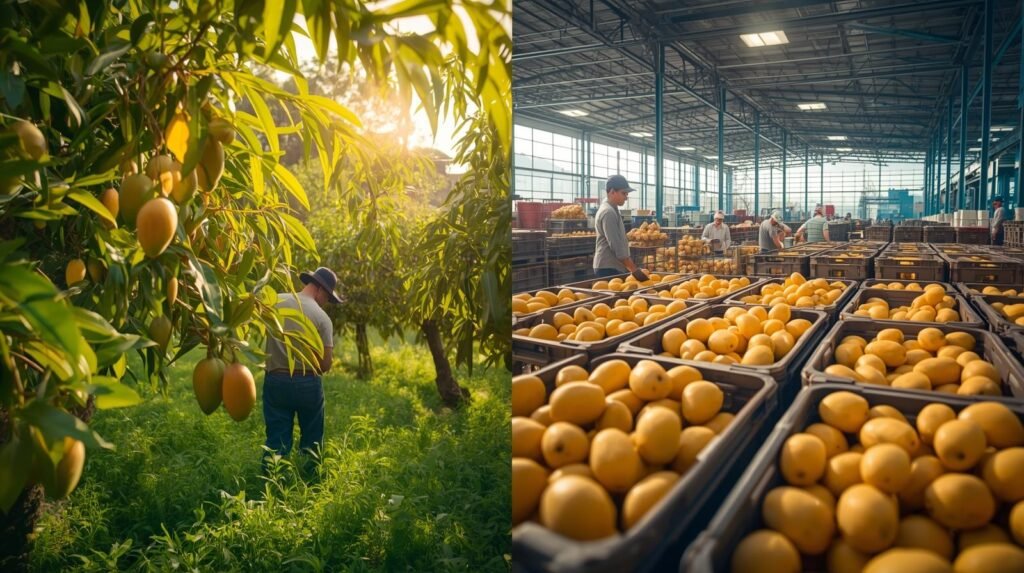
Mexico exports multiple mango varieties including Ataulfo, Haden, Tommy Atkins, and Kent. Ataulfo is known for its small, sweet, and buttery flesh, popular in North America. Tommy Atkins is widely exported for its durability and shelf life. Kent and Haden are preferred in European markets for flavor and color. Variety selection depends on target market requirements. Exporters ensure consistent quality and appearance. Sorting, grading, and packaging enhance market appeal. This variety diversification strengthens Mexico’s export position.
Top Import Destinations for Mexican Mangoes
The United States is the largest importer of Mexican mangoes, followed by Canada, Japan, and the European Union. Retail chains, wholesalers, and food service industries drive demand. Import volumes peak during U.S. off-season production periods. Japanese and European markets value high-quality mango varieties. Trade regulations and phytosanitary standards affect shipments. Exporters adapt packaging and logistics to meet destination requirements. Steady demand from these countries supports Mexico’s export growth.
Trade Logistics and Challenges
Exporting mangoes requires careful logistics management. Fresh mangoes are sensitive to temperature fluctuations and physical damage. Cold chain management prevents spoilage. Efficient port operations and customs clearance ensure timely delivery. Pest control and quality inspections are mandatory. Transportation costs affect profitability. Weather events can disrupt supply. Strategic planning ensures successful exports.
Comparison with Other Exporters
India exports large volumes but primarily focuses on domestic consumption. Peru exports to Europe and Asia during off-season months. Brazil and Pakistan supply regional markets. Mexico surpasses others in total export volume. Infrastructure, labor costs, and trade agreements explain Mexico’s advantage. Export quality and variety selection reinforce competitiveness. Trade data confirms Mexico’s global leadership.
Global Mango Export Comparison Table
| Country Name | Export Volume | Main Destinations | Global Rank |
|---|---|---|---|
| Mexico | Very high | United States, Europe, Asia | First |
| India | High | Middle East, Europe | Second |
| Peru | Medium | Europe, Asia | Third |
| Brazil | Medium | Regional markets | Fourth |
| Pakistan | Medium | Middle East, Europe | Fifth |
Economic Significance of Mango Exports in Mexico
Mango exports contribute significantly to Mexico’s GDP. Millions of people are employed in cultivation, packing, and logistics. Export revenues support rural development. Farmer cooperatives benefit from stable income. Investments in processing and cold storage facilities stimulate economic growth. Retailers and wholesalers profit from consistent quality supply. International recognition of Mexican mangoes strengthens the brand. The sector is a vital component of Mexico’s agricultural economy.
Environmental and Sustainability Considerations
Sustainable mango farming practices are essential to reduce environmental impact. Intensive farming may deplete soil nutrients and water resources. Integrated pest management helps reduce chemical usage. Organic certification enhances market value. Waste management and recycling of packaging materials are becoming standard. Water-efficient irrigation preserves resources. Environmental practices are increasingly demanded by international buyers. Mexico invests in sustainable mango production for long-term trade stability.
Technological Advancements Supporting Exports
Technology improves mango export efficiency. Automated sorting and grading systems ensure uniform quality. Cold chain technology extends shelf life. Data analytics optimize shipping routes. Tracking systems allow real-time monitoring of shipments. Disease and pest monitoring reduce crop losses. Advanced irrigation and pruning improve yields. Technology maintains Mexico’s position as a leading exporter.
Seasonal Trends in Mango Exports
Mango exports peak during spring and summer months in Northern Hemisphere markets. Off-season production ensures steady supply to importers. Prices fluctuate according to global demand. Seasonal management of orchards ensures quality and quantity. Export planning aligns with international market cycles. Inventory and logistics management support continuous availability. Seasonal efficiency maximizes profitability. Exporters adjust production schedules accordingly.
Challenges Facing Global Mango Trade
Mango trade faces challenges such as tropical storms, pests, and diseases. Market price fluctuations affect profitability. Transportation bottlenecks may delay shipments. Compliance with trade regulations is mandatory. Labor shortages can constrain operations. Environmental and climate factors require adaptive strategies. Exporters must respond to evolving consumer preferences. Trade disputes may also impact market access.
Future Outlook of Mango Exports
Global mango exports are projected to grow steadily. Mexico is expected to maintain its top position. Emerging markets will contribute to demand expansion. Improved infrastructure and technology will enhance supply chains. Sustainable practices will become more prevalent. Trade agreements will support market access. Export strategies will adapt to changing consumption patterns. Data indicates continued growth and stability in mango trade.