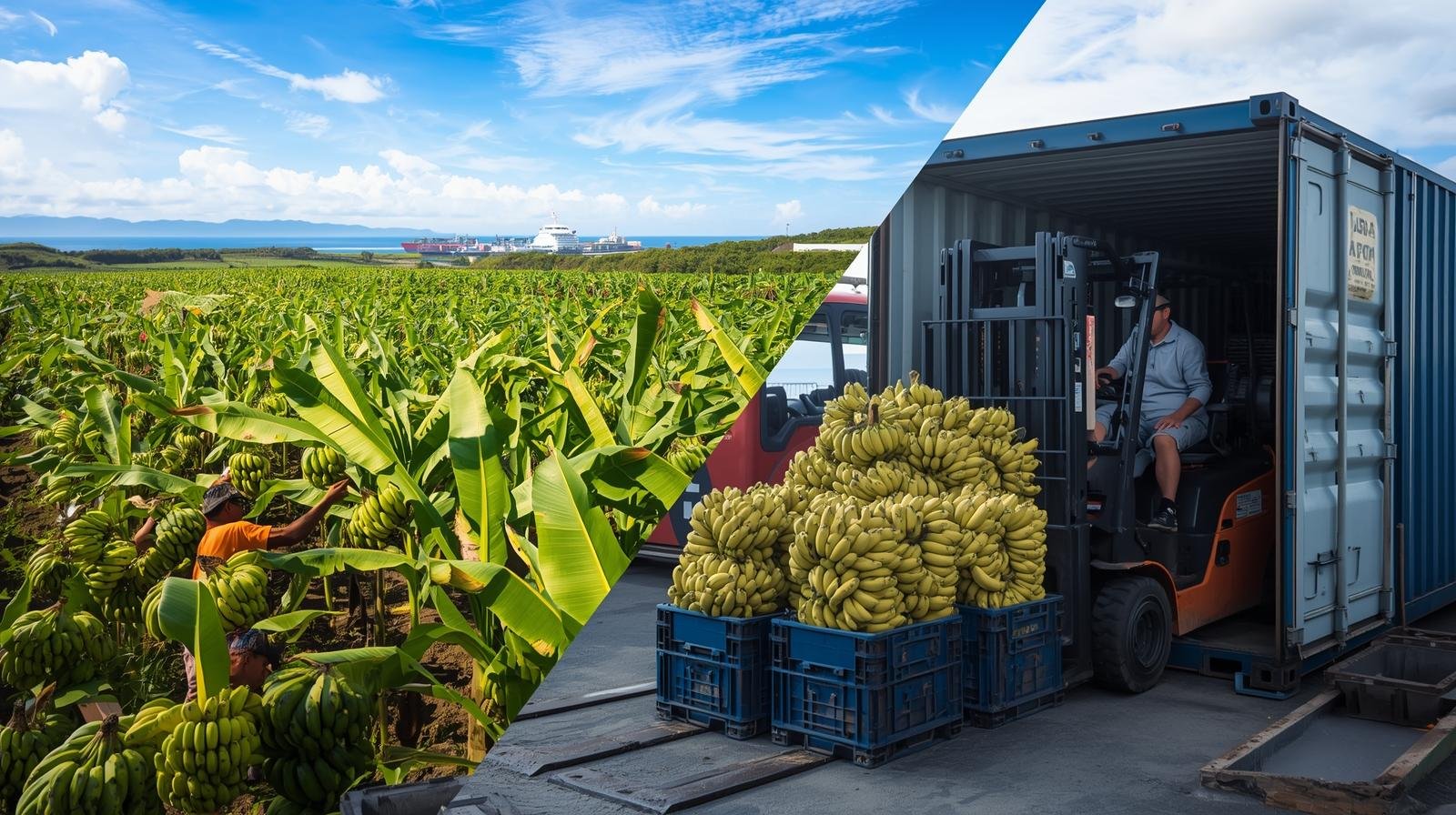
Bananas are one of the most widely consumed fruits in the world, providing essential nutrients and a convenient, natural snack. While many countries grow bananas for domestic consumption, global trade has created a competitive market where certain nations dominate exports. Bananas are grown in tropical and subtropical regions and shipped internationally to meet year-round demand. Exporting countries must maintain high quality standards and effective supply chains to ensure fruit arrives fresh. Understanding which country leads in banana exports reveals valuable insights into global trade and agricultural economics. This article explores the top banana-exporting nation, its export destinations, and trade dynamics.
Global Importance of Banana Exports
Bananas are a staple food in many countries and a key source of income for tropical regions. They are the most traded fruit worldwide. Exporting bananas supports economic development, especially in rural areas. Reliable exports depend on efficient cultivation and processing. The banana industry is sensitive to climate change and pest outbreaks. International demand continues to grow steadily. Trade agreements influence pricing and shipping patterns. Understanding global exports helps farmers and traders plan production.
Factors That Determine Banana Export Leadership
Several factors determine which country becomes the top banana exporter. Climate suitability is critical, as bananas require warm temperatures and adequate rainfall. Large-scale plantation areas ensure high output. Efficient transportation and port infrastructure allow quick delivery. Access to export markets increases competitiveness. Government support and trade policies encourage growth. Pest and disease management improve yields. Technological advancements help maintain quality. All these factors contribute to export dominance.
Leading Banana Exporting Countries
Several countries are known for exporting bananas at scale, including Ecuador, the Philippines, Costa Rica, Colombia, and Guatemala. Each has favorable tropical climates. Production and export systems vary based on plantation size and labor availability. Ecuador consistently ranks as the top exporter. Other countries focus on regional or niche markets. Trade statistics highlight the scale of global banana shipments. Export strategies differ by market demands.
Ecuador as the Top Banana Exporter
Based on current global trade data, Ecuador is the top banana exporter in the world. Ecuador’s production exceeds that of any other nation in terms of export volume. The country’s fertile soil and tropical climate support year-round cultivation. Large-scale plantations dominate production, ensuring high-quality bananas. Modern shipping and port facilities allow rapid export. Ecuador benefits from strong trade relations with major importers. Data consistently places Ecuador at the top of the global banana trade.
Why Ecuador Leads Banana Exports
Ecuador’s leadership in banana exports is driven by favorable environmental conditions. Abundant fertile land supports expansive plantations. Modern infrastructure enables efficient transportation from farms to ports. Strong relationships with importing countries maintain market access. Pest management programs protect yields. Government policies support the export sector. Economies of scale reduce production costs. High-quality fruit meets international standards, ensuring Ecuador’s top position.
Major Banana Export Destinations
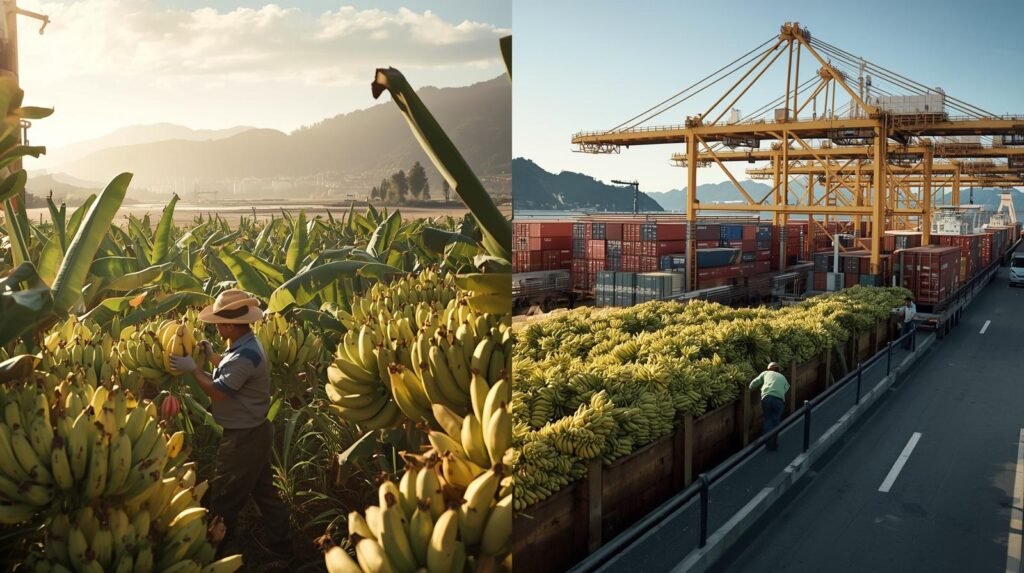
Ecuador exports bananas to several major global markets. The United States, European Union nations, and Russia are key destinations. Retail chains and distributors rely on steady supply. Export volumes peak during off-seasons in other countries. Trade agreements facilitate smooth customs processes. Quality standards are strictly enforced. Freshness is maintained during transit. International demand supports sustained exports.
Banana Trade Logistics and Challenges
Exporting bananas requires careful logistics management. Bananas are sensitive to temperature changes. Cold chain technology prevents spoilage during shipping. Port efficiency reduces delays. Pest control and quality inspections are mandatory. Political and economic stability influence export operations. Transportation costs impact profitability. Strategic planning ensures successful deliveries.
Comparison with Other Major Exporters
The Philippines exports primarily to Asia and the Middle East. Costa Rica supplies North America and Europe. Colombia focuses on regional markets and specific varieties. Guatemala exports mainly to the United States. Ecuador surpasses all in total volume. Differences in plantation size, infrastructure, and labor costs explain these gaps. Trade relationships also influence export capacity. Ecuador maintains an advantage across all factors.
Global Banana Export Comparison Table
| Country Name | Export Volume | Main Destinations | Export Rank |
|---|---|---|---|
| Ecuador | Very high | United States, Europe, Russia | First |
| Philippines | High | Asia, Middle East | Second |
| Costa Rica | High | North America, Europe | Third |
| Colombia | Medium | Regional markets | Fourth |
| Guatemala | Medium | United States | Fifth |
Economic Impact of Banana Exports in Ecuador
Banana exports contribute significantly to Ecuador’s GDP. Millions of people depend on the sector for employment. Plantation workers, transporters, and processing plant employees benefit directly. Export revenues support rural development. Investment in port facilities and infrastructure stimulates economic growth. The industry also attracts foreign investment. Local suppliers and service providers gain from export activity. Bananas are a critical component of national trade balance.
Environmental Considerations
Banana plantations can impact ecosystems if not managed sustainably. Intensive farming may lead to soil degradation. Pesticide use must be controlled to prevent environmental harm. Water consumption and waste management are key concerns. Eco-friendly practices help maintain biodiversity. Certification programs promote sustainability. International buyers often require environmental compliance. Ecuador invests in sustainable practices to protect long-term production.
Technological Advancements in Export Systems
Technological improvements have transformed banana exports. Automated sorting and packaging systems improve efficiency. Temperature-controlled containers extend shelf life. Digital tracking ensures product traceability. Pest and disease monitoring systems reduce crop loss. Data analytics optimize shipping routes. Advanced logistics management ensures timely delivery. These technologies strengthen Ecuador’s global leadership.
Seasonal Trends in Banana Exports
Banana exports follow seasonal patterns due to production cycles. Peak harvests occur year-round in Ecuador due to climate. Export demand increases during Northern Hemisphere winter. Seasonal fluctuations in other countries affect Ecuador’s shipment volumes. Prices may vary depending on global supply. Export planning aligns with consumption trends. Inventory management ensures consistent availability. Seasonal efficiency supports profitability.
Challenges Facing Global Banana Trade
Banana exports face challenges such as tropical storms and diseases like Panama disease. Market price fluctuations affect profits. Transportation bottlenecks may delay shipments. Trade regulations differ across countries. Labor availability can constrain operations. Environmental concerns require careful management. Exporters must adapt to consumer preferences. Global supply chains remain sensitive to external factors.
Future Outlook of Banana Exports
Global banana exports are expected to grow steadily. Ecuador is likely to maintain its top position. Demand in emerging markets will increase. Technological improvements will enhance supply chain efficiency. Sustainability practices will become more prominent. Trade partnerships may expand further. Ecuador’s experience and infrastructure provide a strong advantage. The global market remains competitive but stable.