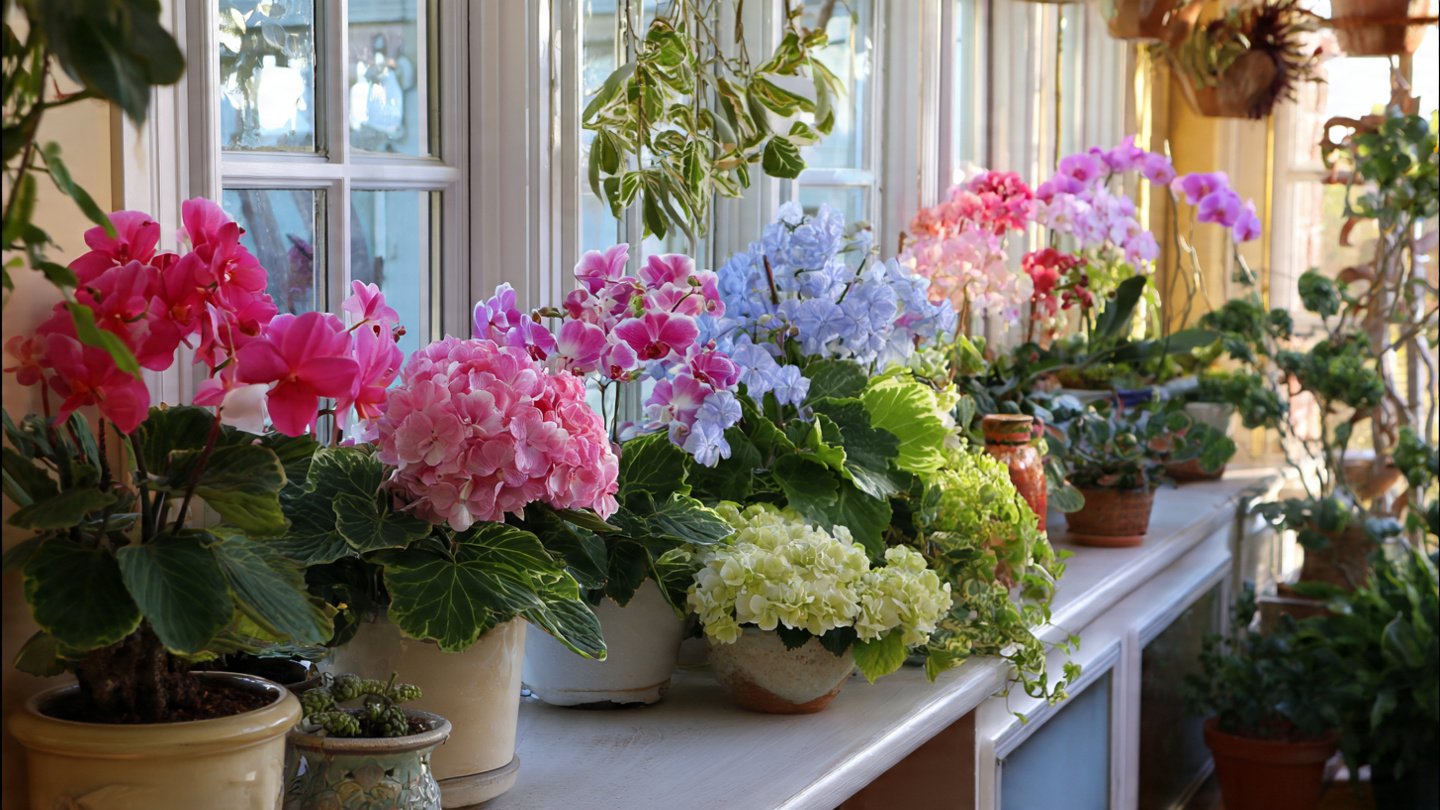
Overview of Flowering Houseplants
Flowering houseplants are a splendid way to bring vibrant colors and natural beauty into your living spaces. Not only do they purify the air, but they also uplift the mood and enhance the aesthetic appeal of any room. This article will delve into the top flowering houseplants that bring the most vibrant colors to your home, considering their care needs, bloom varieties, and overall charm.
1. African Violet (Saintpaulia)
African violets are beloved for their stunning clusters of blooms that come in many colors, including purple, blue, and white. They thrive in moderate sunlight and prefer to be watered from below to prevent leaf spots. With their velvet-like leaves and exquisite flowers, they can colorize any nook, contributing to a cozy and welcoming atmosphere.
Care Tips:
- Light: Bright, indirect sunlight.
- Water: Keep soil moist but not soggy.
- Humidity: Prefers higher humidity.
2. Christmas Cactus (Schlumbergera)
Christmas cactus is known for its spectacular blooms, typically appearing during the holiday season. The flowers emerge in vibrant hues of pink, red, and white, creating a festive touch to your decor. It is easy to care for and can flourish year-round with the right conditions.
Care Tips:
- Light: Indirect sunlight.
- Water: Allow the top inch of soil to dry out before watering.
- Humidity: Average indoor humidity is fine.
3. Bromeliad
Bromeliads are unique flowering houseplants that produce a brilliant rosette of foliage with striking flowers. Their exotic appearance and vibrant colors, ranging from deep reds to vibrant yellows, make them a statement piece in any home. They are also quite hardy and adaptable.
Care Tips:
- Light: Bright, indirect light works best.
- Water: Fill the central cup of the plant with water regularly.
- Humidity: Prefers moderate humidity levels.
4. Peace Lily (Spathiphyllum)
Although primarily known for its elegant white blooms, the peace lily can also produce variegated green foliage that adds depth to any greenery. Its striking, glossy leaves enhance its floral display and bring life to dimly lit areas of your home.
Care Tips:
- Light: Low to bright, indirect sunlight.
- Water: Keep the soil slightly moist; do not overwater.
- Humidity: Thrives in high humidity.
5. Orchids (Orchidaceae)
Orchids are celebrated for their intricate flowers and longevity. They possess exotic colors and patterns that can mesmerize anyone who lays eyes on them. While they have specific care needs, the beauty of their blooms, available in pink, purple, yellow, and more, makes the extra effort worthwhile.
Care Tips:
- Light: Bright, indirect light.
- Water: Allow the medium to dry out between watering.
- Humidity: Prefer humid conditions, ideally above 50%.
6. Kalanchoe (Kalanchoe blossfeldiana)
Kalanchoe are wonderful succulent houseplants that produce clusters of brightly colored flowers, often in shades of red, orange, pink, and yellow. They are low-maintenance and thrive in various indoor conditions, making them a favorite for beginners.
Care Tips:
- Light: Prefers bright light for best flowering.
- Water: Allow soil to dry out between waterings.
- Humidity: Average indoor humidity is suitable.
7. Geraniums (Pelargonium)
Geraniums are classic flowering plants that add a splash of color to any indoor space. They bloom in shades of red, pink, and white, and are known for their unique leaf scents. Geraniums also require a bit more sunlight, making them ideal for window sills or well-lit rooms.
Care Tips:
- Light: Full sun is ideal.
- Water: Water when the top inch of soil feels dry.
- Humidity: Prefers average humidity.
Conclusion
Incorporating flowering houseplants into your home not only enhances your space with vibrant colors but also contributes to a healthier, happier environment. Whether you opt for the delicate blooms of an African Violet or the exotic aesthetics of an Orchid, each plant brings its unique charm and personality. By providing proper care and attention, you can enjoy a continuous display of colorful flowers year-round, enriching your living space and elevating your mood.
FAQs
1. How often should I water my flowering houseplants?
The frequency of watering depends on the specific plant and its environment. Generally, it’s best to check the top inch of soil: if it feels dry, it’s time to water. Always ensure the pots have drainage holes to prevent overwatering.
2. Will flowering houseplants thrive in low light conditions?
Some flowering houseplants can adapt to low light, but most will thrive in bright, indirect sunlight. Peace Lilies are an example of a flower that can tolerate lower lighting conditions, while orchids prefer brighter environments.
3. Can I propagate flowering houseplants?
Yes, many flowering houseplants can be propagated through methods such as cuttings, leaf division, or even seeds. Always research the specific plant type for the best propagation techniques.
4. Are there any non-toxic flowering houseplants for homes with pets?
Yes! Some flowering plants are non-toxic to pets, including African Violets and Spider plants. However, always verify the toxicity of any plant with reliable resources before bringing it home.
5. How do I encourage my flowering houseplants to bloom?
To encourage blooming, ensure your plants receive proper light, water, and fertilization. Additionally, remember that some plants have a natural dormancy period. Consult specific care guidelines for each flowering species to optimize their blooming potential.