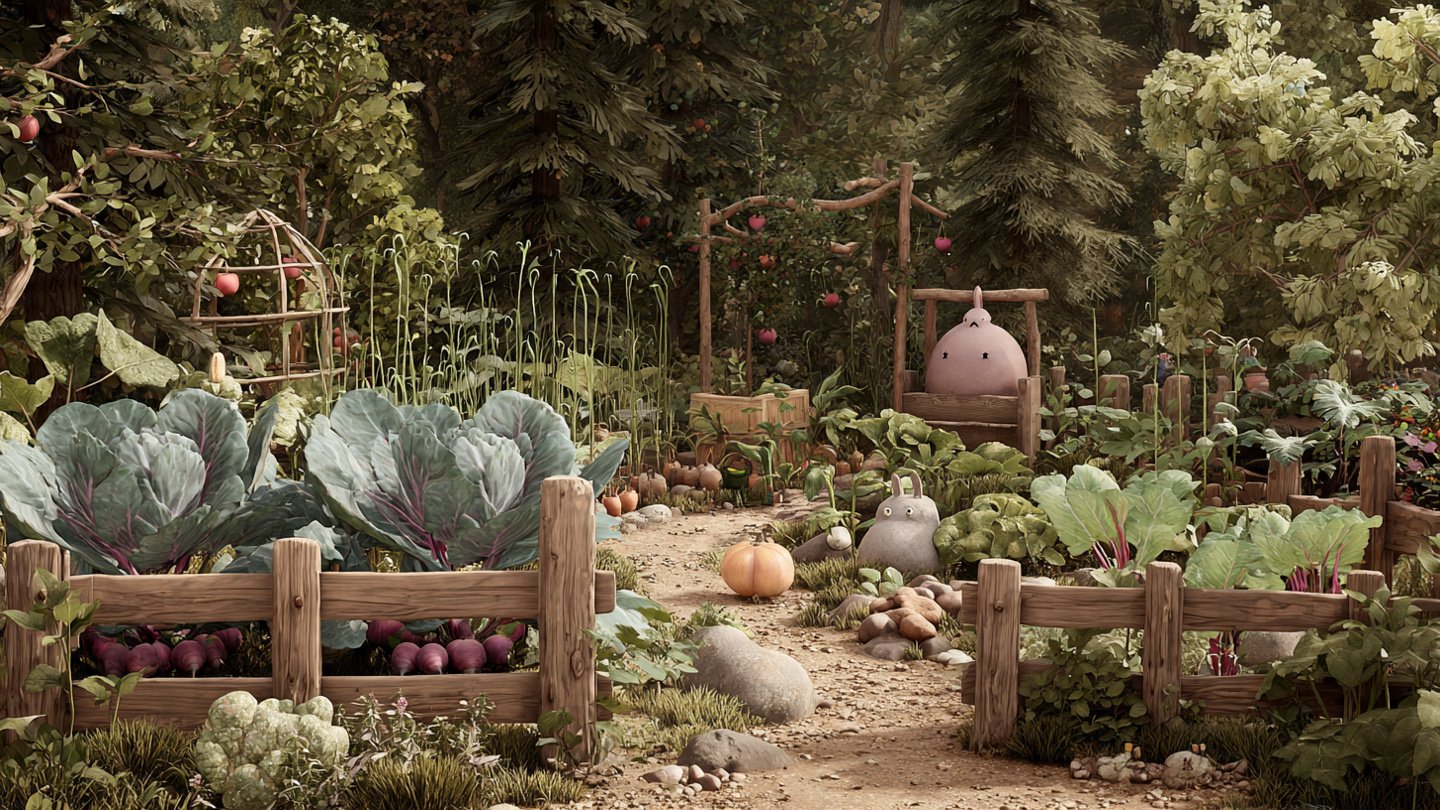
Your vegetable garden serves as a veritable buffet for various critters. These can range from cute and cuddly rabbits to stealthy raccoons. Understanding why these creatures are drawn to your garden can help you find effective methods to protect your hard work.
The Appeal of Your Vegetable Garden
Vegetable gardens present unique temptations for wildlife. The reasons for this fascination can be diverse:
- Fresh and Nutrient-Rich Food: Vegetables are packed with nutrients. They provide essential vitamins and minerals that keep critters healthy.
- Habitat: Gardens often serve as shelter, offering shade and hiding spots from predators. This can be particularly appealing during hot weather or in crowded urban areas.
- Water Source: Many gardens include a water feature or moist soil, making them an attractive stop for thirsty creatures.
- Color and Aroma: Bright colors and appealing scents make vegetables irresistible. Flowers in the garden can also attract pollinators and other creatures.
Common Garden Invaders
Different critters pose varying levels of threat to your vegetable garden. Some of the most common culprits include:
Rabbit
Rabbits are notorious for munching on leafy greens and young plants. Their nimbleness allows them to access areas that are hard to guard.
Squirrels
While primarily seeking nuts and seeds, squirrels won’t shy away from tender vegetables. Their agility in climbing helps them invade gardens easily.
Deer
Deer can easily clear low fences and will feast on many types of vegetables. Their size and appetite mean that they can do considerable damage in a short time.
Groundhogs
Known for their burrowing behavior, groundhogs can be a significant problem, especially during the summer when fresh vegetables are abundant.
How Can a Fence Help?
Investing in a fence is one of the most effective ways to protect your vegetable garden from critters. However, not just any fence will do. It’s essential to consider various factors that determine its effectiveness.
Choosing the Right Material
Your fence material is crucial for effectively deterring animals. Here are some popular options:
- Wooden Fences: Sturdy wooden fences can be visually appealing and effective if tall enough.
- Metal Fences: Metal fences are robust and can withstand a lot of wear and tear, but they may not be visually pleasing.
- Mesh Fences: These provide transparency while effectively keeping out smaller animals like rabbits and squirrels. They should be buried a few inches underground to prevent burrowing.
Height Matters
The height of your fence plays a significant role in its effectiveness. A fence should be at least:
- 4 feet high for rabbits and squirrels: This height is generally sufficient to deter most smaller animals.
- 8 feet high for deer: Since deer are excellent jumpers, a taller fence is necessary to keep them out.
Capping and Overhangs
To enhance the effectiveness of your fence, you might want to consider:
- Capping: Adding a capping feature can prevent animals from climbing over.
- Overhangs: Creating an outward tilt at the top of the fence can make it harder for critters to gain access.
Using Additional Deterrents
While a fence is an excellent start, combining it with other deterrents can maximize its effectiveness:
- Motion Sensors: Motion-activated sprinklers can startle animals and keep them at bay.
- Natural Repellents: Scents like garlic or predator urine can create an unwelcoming atmosphere for critters.
- Garden Layout: Planting strong-smelling herbs alongside your vegetables can act as a natural barrier to some animals.
Maintaining Your Garden’s Barrier
Installing a fence is not a set-it-and-forget-it solution. Routine maintenance is crucial to ensure its effectiveness:
- Regular Checks: Inspect for gaps, wear and tear, or places where animals may have breached.
- Repair Damage Promptly: Failing to fix damage may create an open invitation for hungry critters.
- Season Clean-Up: Clear the area around your fence to eliminate places where animals can hide or nest.
Conclusion
Canadian gardeners love their vegetable gardens, not just for the joy of growing but also for the flavor of fresh produce. However, this joy can be dampened significantly by the persistent presence of critters. Understanding what attracts these animals and employing effective deterrents, particularly through the use of fencing, is vital. By choosing the right type of fence, maintaining it, and combining it with additional deterrents, you can safeguard your cherished garden from unwanted visitors. In the end, a little effort can lead to a bountiful harvest free of the anxiety that critters can cause.
FAQs
1. What type of fence is best for protecting a vegetable garden?
A combination of height and material is essential. For smaller animals, a wood or mesh fence at least 4 feet tall is effective. For deer, consider an 8-foot tall fence, preferably made of sturdy materials.
2. How deep should I bury my fence to prevent burrowing?
It is advisable to bury the fence at least 6 inches deep to discourage animals like rabbits and groundhogs from digging underneath.
3. Are there natural deterrents to keep critters at bay?
Yes, using scents such as garlic or essential oils can act as natural repellents. Additionally, placing plants with strong odors may create an unwelcoming environment for many pests.
4. How often should I check my fence for damage?
Regular inspections, ideally monthly, are recommended to ensure that your fence remains effective and free from damage.
5. Can I use plants as a barrier to deter animals?
Certain plants, especially those with strong aromas like lavender or mint, can deter some animals. Consider planting these around the perimeter of your garden.