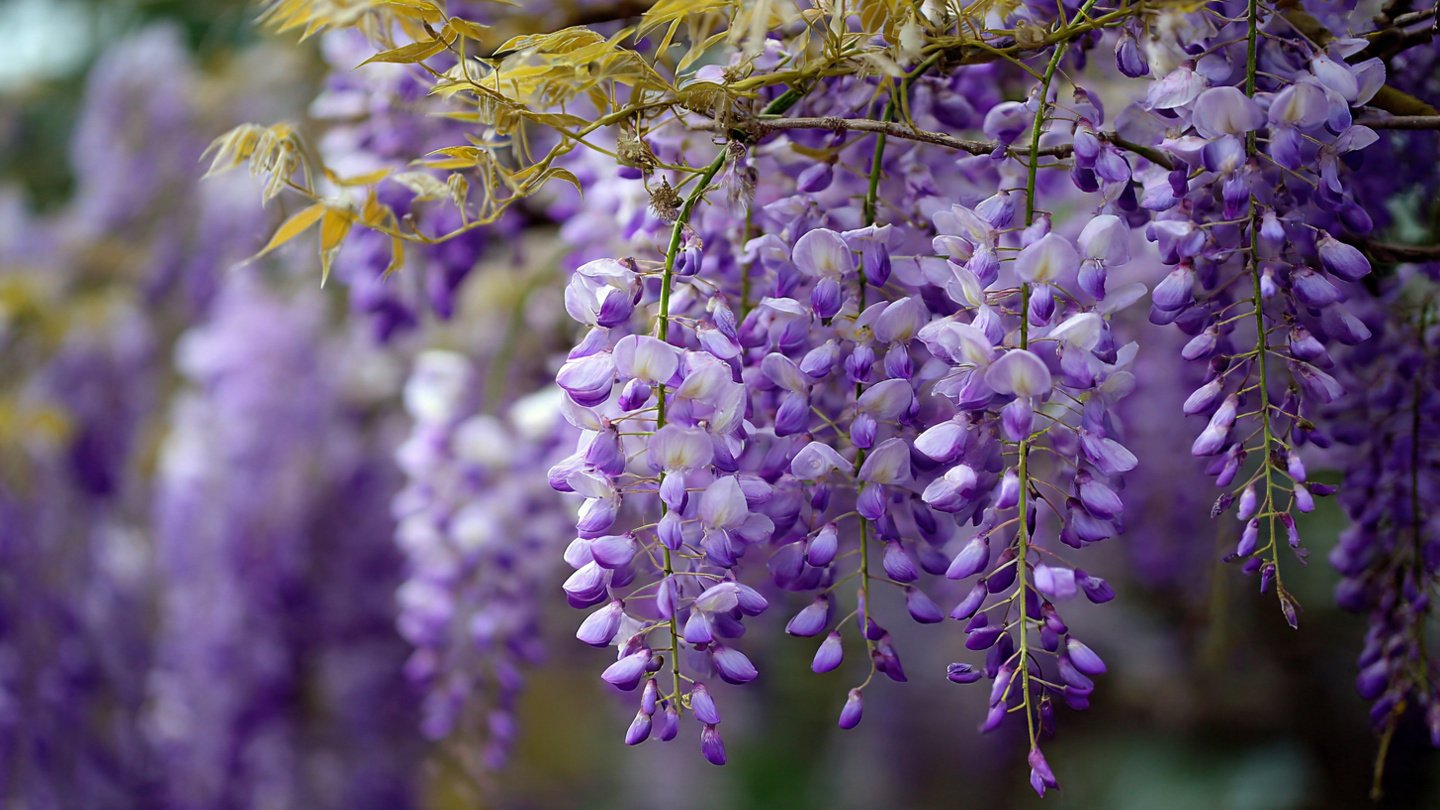
Wisteria is a beloved perennial vine, renowned for its stunning cascades of purple, blue, or white flowers that create a spectacular display in gardens. However, many gardeners experience frustration when their wisteria plants refuse to bloom, even after years of anticipation. If you’re among the disappointed wisteria owners, you’re not alone. This article explores the common reasons your wisteria might be withholding its beauty and what you can do to encourage it to finally blossom.
Understanding Wisteria
Before delving into the potential reasons for lack of blooms, it’s essential to understand the growth and blooming habits of wisteria. These vigorous climbers prefer a well-draining soil, full sun exposure, and plenty of space to stretch out and grow. They often take several years to establish themselves before they start flowering profusely. Patience is key when cultivating wisteria, but sometimes even patience isn’t enough.
Common Reasons Wisteria Won’t Bloom
1. Insufficient Sunlight
One of the primary requirements for wisteria to bloom is ample sunlight. Ideally, your plant should receive at least six to eight hours of full sun each day. If your wisteria is planted in a shaded area, it may be getting the nutrients it needs but not the light required for flowering.
2. Wrong Pruning Techniques
Pruning plays a crucial role in the blooming process of wisteria. If pruned incorrectly or at the wrong time, it can affect the plant’s ability to bloom. Proper pruning involves cutting back the long, whippy growth that wisteria often produces. The best time to prune is late winter or early spring, just before the plant begins to leaf out.
3. Young Age or Immaturity
Wisteria can take anywhere from three to five years to start blooming. If your plant is still relatively young, patience may be necessary. Even established plants sometimes take longer than expected to produce blooms, especially if they were newly transplanted or stressed.
4. Nutrient Imbalance
The nutrition of your wisteria can significantly impact its blooming capacity. Excessive nitrogen, for example, encourages leafy growth at the expense of flowers. It is crucial to ensure you’re using a balanced fertilizer and not over-fertilizing your plant.
5. Poor Drainage
Wisteria enjoys its roots to be moist but not waterlogged. If your soil retains water, it could lead to root rot, which can prevent blooming. Ensure that your wisteria is planted in well-draining soil and consider using organic matter to improve soil structure.
6. Variety-Specific Characteristics
Different types of wisteria have varying blooming habits. For example, Chinese wisteria (Wisteria sinensis) typically flowers earlier in the season than Japanese wisteria (Wisteria floribunda). Understanding the specific variety of your wisteria can help set realistic expectations for blooming times.
7. Environmental Stressors
Environmental stress factors can also contribute to a lack of blooms. Extreme weather conditions such as late frosts, drought, or excessive heat can impede flowering. Additionally, changes in soil pH can affect nutrient availability, impacting growth and blooming.
Encouraging your Wisteria to Bloom
Now that we’ve explored some reasons why your wisteria might not be blooming, here are some steps you can take to encourage your plant to start flowering:
- Ensure Full Sunlight: Assess the planting location and consider relocating your wisteria if it does not receive enough sunlight.
- Prune Correctly: Learn the proper pruning techniques to manage growth and set the stage for blooms.
- Fertilize Wisely: Use a balanced or low-nitrogen fertilizer to support blooming without promoting excess foliage growth.
- Improve Drainage: Check for any pooling of water around the roots and consider raised beds or soil amendments for better drainage.
- Be Patient: If your wisteria is still young, allow a couple more years of growth before expecting flowers.
- Monitor Environmental Conditions: Protect your plant from extreme weather and ensure it remains healthy and stress-free.
Conclusion
The beauty of wisteria is indeed worth the wait but can be a source of frustration if flowers do not appear. By addressing the common issues related to sunlight, pruning, age, nutrients, drainage, and environmental conditions, you can unlock the secret to a flourishing wisteria. Remember, gardening is a journey filled with trials and tribulations, and the reward of seeing your wisteria bloom is a testament to your dedication and care.
FAQs
1. How long does it take for wisteria to bloom?
Wisteria typically takes 3-5 years to bloom, but it can take longer under certain conditions.
2. What type of fertilizer is best for wisteria?
A balanced fertilizer or one low in nitrogen is ideal to encourage blooming without promoting excessive leaf growth.
3. When should I prune my wisteria?
Prune your wisteria in late winter or early spring before new growth begins.
4. Can wisteria bloom in partial shade?
Wisteria needs full sun for optimal blooming; partial shade can lead to reduced flowering.
5. What should I do if my wisteria is too young to bloom?
If your wisteria is young, be patient and maintain healthy growing conditions until it’s ready to bloom.