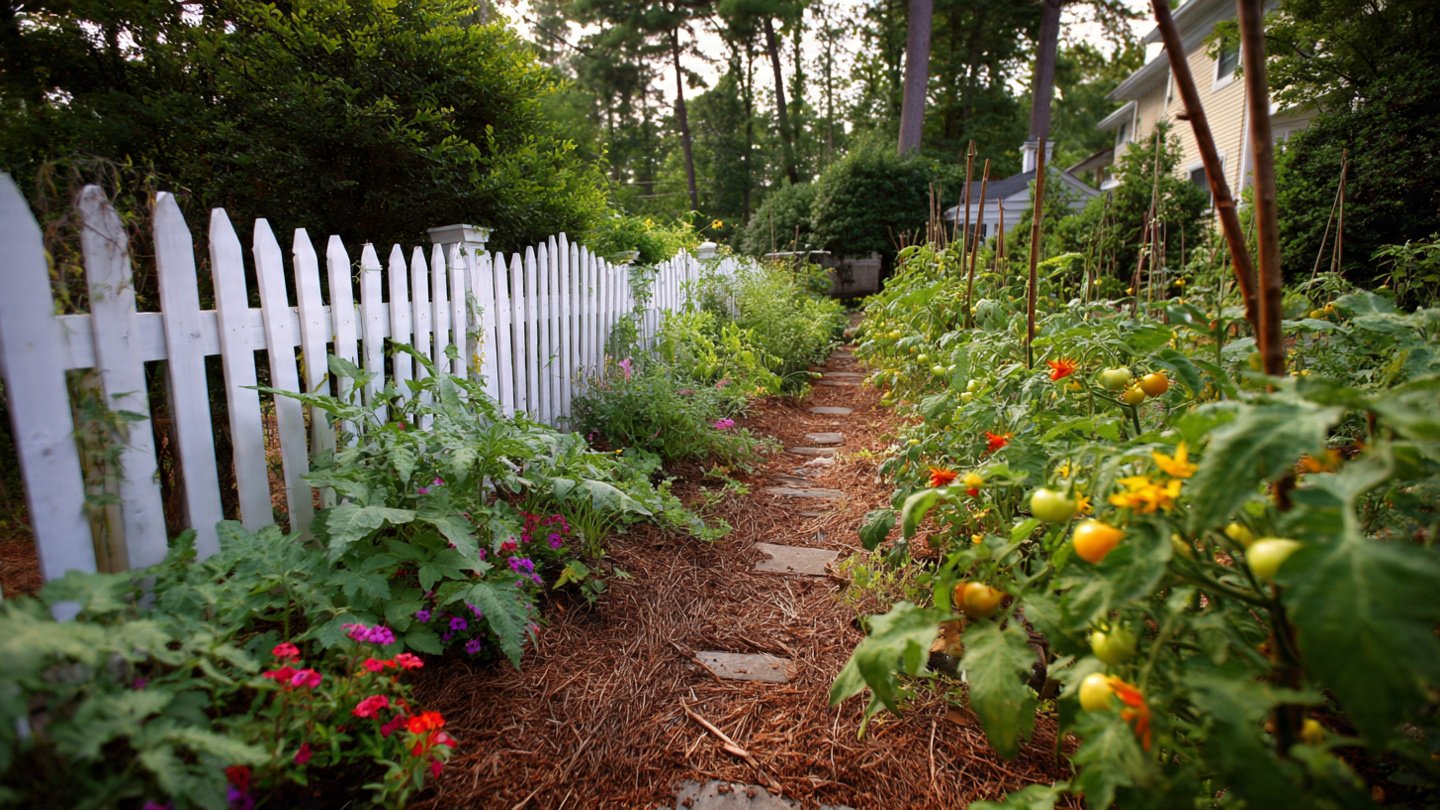
Creating a vegetable garden is a rewarding experience, but it can be quite challenging when critters invade your hard work. Whether it’s rabbits nibbling on tender greens or deer trampling your precious plants, unwanted visitors can quickly turn your gardening dreams into a frustrating reality. Let’s delve into the reasons why a fence is essential for protecting your vegetable garden from these pesky animals.
The Importance of a Fence
A fence serves as a formidable barrier that provides critical protection for your vegetable garden. While some may argue that it adds an aesthetic element to the garden, its primary function is to safeguard your plants from hungry wildlife. Here are several reasons why erecting a fence is vital for your vegetable garden:
1. Preventing Animal Damage
Vegetable gardens are a buffet for a variety of critters, including rabbits, deer, squirrels, and birds. Each of these animals poses a unique threat to your plants. For instance, rabbits may devour young shoots, while deer can decimate entire crops in one evening. A sturdy fence can significantly minimize this damage by acting as a deterrent, keeping these animals at bay.
2. Protecting Your Investment
Growing a vegetable garden requires time, effort, and often financial investment in seeds, soil, and gardening tools. When critters feast on your plants, your investment diminishes. By investing in a fence, you invest in the longevity and productivity of your garden. A well-constructed fence ensures that your efforts do not go to waste.
3. Encouraging Plant Growth
Stress from animal attacks can lead to lower plant yield and stunted growth. When plants are frequently disturbed by foraging animals, they expend energy on recovery rather than growth. A fence creates a protected environment where plants can thrive undisturbed. With fewer disruptions, your vegetable plants can reach their full potential.
Choosing the Right Type of Fence
Not all fences are created equal; the type of fence you choose will depend on the critters in your area and the specific needs of your garden. Here are some effective options:
1. Wire Fencing
Wire fencing is an effective choice for keeping out smaller animals like rabbits and groundhogs. Chicken wire or hardware cloth can be used, but ensure that the mesh size is small enough to prevent these animals from squeezing through. Make sure to bury the bottom of the fence a few inches underground to deter burrowing critters.
2. Deer Fencing
If deer are a problem in your area, consider using a taller fence—at least 8 feet high is recommended. Deer are excellent jumpers, and a low fence might only encourage them to leap into your garden. You can also use mesh fencing designed specifically for deer, which is lightweight yet strong enough to withstand their attempts to jump over.
3. Electric Fencing
For a more high-tech approach, electric fencing can be highly effective. While it requires more investment and maintenance, it can deter larger animals like deer and bears. Ensure that the fence is installed correctly and designed to deliver a harmless shock that will teach the animals to stay clear of your garden.
Building and Maintaining Your Fence
A well-constructed fence requires careful planning and maintenance. Here are some tips to consider:
1. Location and Setup
Plan the layout of your fence according to the shape and size of your vegetable garden. Make sure it’s tight and secure, as gaps can provide easy access for critters. Regularly check for any damages or weaknesses, especially after extreme weather.
2. Additional Measures
In addition to physical barriers, consider using scents and repellents to discourage animals from approaching your garden. For instance, you can use garlic, chili spray, or commercial repellents to enhance your fence’s effectiveness. Companion planting with herbs or flowers that are known to deter pests can also offer additional protection.
Using a Fence as a Multifunctional Tool
Fences can also serve dual purposes in your vegetable garden. Here are a couple of creative uses:
1. Trellis for Climbing Plants
Many vegetable plants, such as cucumbers and pole beans, thrive when given support. A well-constructed fence can double as a trellis, helping these plants grow upwards, saving space and improving air circulation around the plants.
2. Decorative Element
A fence doesn’t have to be purely functional. It can also enhance the visual appeal of your garden. Choose materials and designs that complement the overall theme of your garden area. Decorative fencing can frame your garden while also providing much-needed protection.
Conclusion
In summary, establishing a fence around your vegetable garden is a crucial step in ensuring its success. From keeping unwanted critters at bay to protecting your investment, a fence provides a range of benefits that are hard to overlook. By choosing the right type of fence and maintaining it diligently, you can enjoy the fruits of your labor without the frustrations of animal interference. Remember, a little bit of effort in safeguarding your garden goes a long way in achieving a bountiful harvest.
FAQs
1. What materials are best for building a vegetable garden fence?
The best materials depend on the critters you need to keep out. Options include wood, wire, and deer mesh, with electric fencing being another effective choice for larger animals.
2. How high does my fence need to be to keep deer away?
A deer fence should be at least 8 feet tall to effectively deter these animals from jumping over.
3. Can I use a garden fence for climbing plants?
Yes! A sturdy fence can double as a trellis, providing support for climbing vegetables and improving air circulation.
4. How often should I inspect my garden fence?
It’s advisable to inspect your fence at least once a month, and more frequently after severe weather events to ensure it is in good condition and free of damage.
5. Are there natural repellents to use along with fencing?
Yes! Spraying your fence with natural repellents like garlic or chili concoctions can further deter animals from entering your vegetable garden.