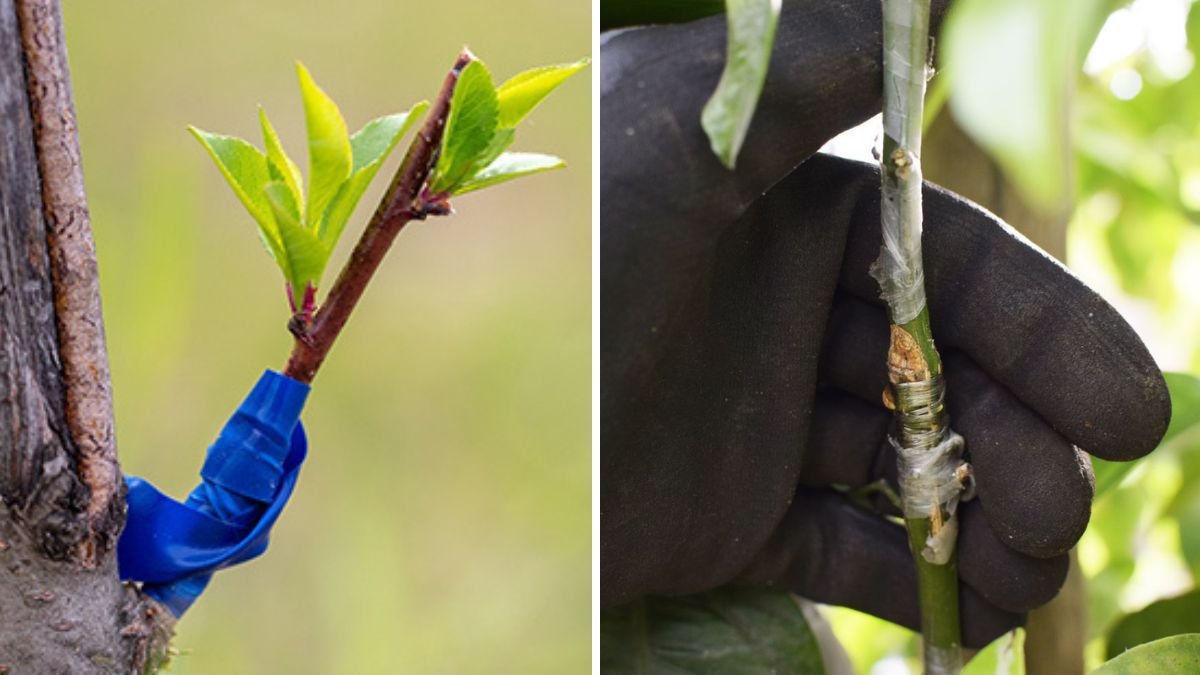
Grafting is one of the most powerful techniques in horticulture. It allows gardeners to combine the best traits of two plants, create disease-resistant varieties, and even save trees that might otherwise die. Yet, despite its apparent simplicity, grafting often fails, leaving gardeners frustrated and plants wasted. Understanding the hidden reasons behind graft failure can be the difference between success and disappointment. Here, we’ll explore seven common yet often overlooked causes of grafting failure and how to prevent them.
1. Incompatible Plant Varieties
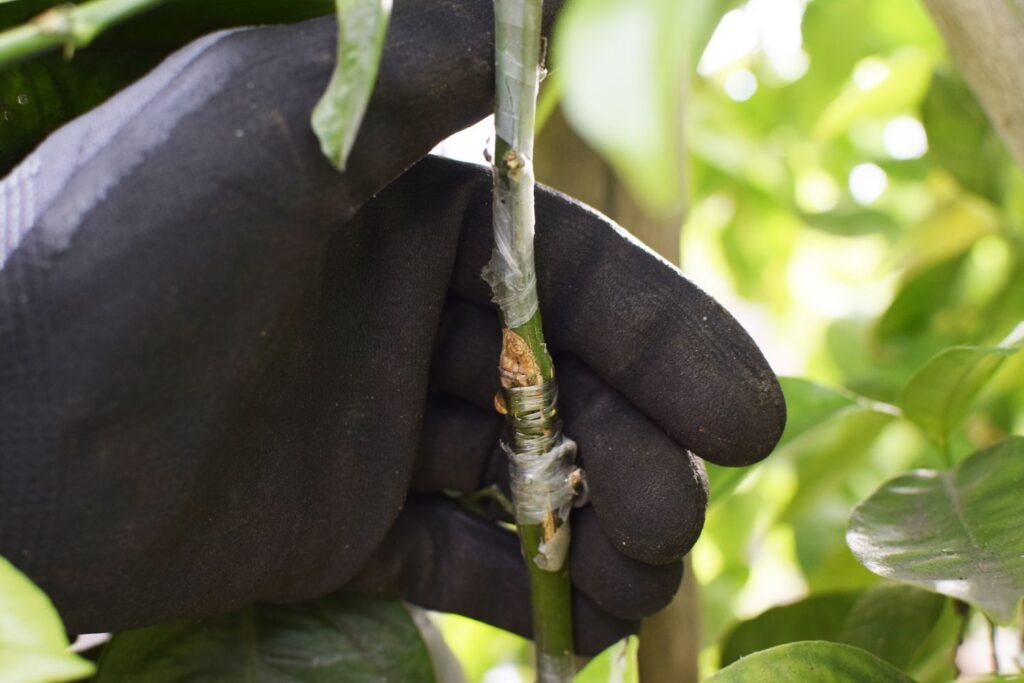
The first and perhaps most obvious reason grafts fail is plant incompatibility. Not all plants are naturally compatible for grafting, even if they seem similar. For example, grafting two varieties of apple is usually successful, but trying to graft an apple onto a peach is almost always doomed.
Compatibility goes beyond species; it also involves physiological and biochemical alignment. Some plants may grow together initially but fail in the long term due to subtle incompatibilities in growth rate, sap flow, or cellular composition.
Prevention Tip: Always research the compatibility of the rootstock and scion before attempting grafting. Use varieties known to work well together for the highest chance of success.
2. Poor Timing
Timing is everything in grafting. Attempting a graft at the wrong time of year can dramatically reduce your chances of success. Grafting is most successful when both scion and rootstock are actively growing but not stressed by extreme temperatures or drought.
For most deciduous trees, early spring—just as buds begin to swell—is ideal. Attempting grafting during dormancy or in the heat of summer can prevent proper union formation and callus development.
Prevention Tip: Study the growth cycle of your plants and plan grafting when sap is flowing but before new leaves fully expand.
3. Improper Technique
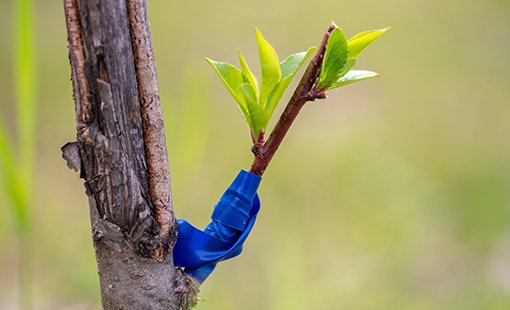
Even small errors in technique can cause a graft to fail. A clean cut and precise alignment of cambium layers—the thin, green layer just beneath the bark—are crucial. If the cambium layers of scion and rootstock do not match up, the vascular tissues cannot merge, and the graft will die.
Using dull tools, uneven cuts, or careless binding can prevent a strong union from forming. Many beginners underestimate the importance of precision and cleanliness in grafting.
Prevention Tip: Use sharp tools, practice careful alignment, and keep the grafting site clean to maximize contact between cambium layers.
4. Environmental Stress
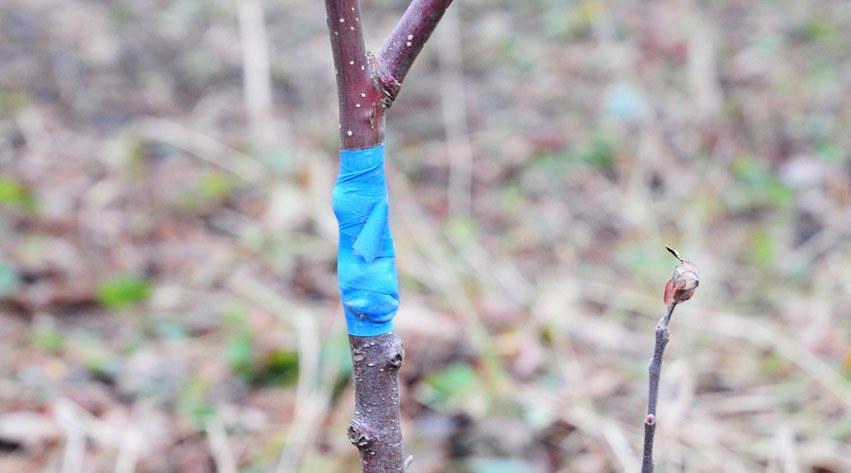
Plants are sensitive to their surroundings, and even a well-executed graft can fail if the environment is not supportive. Extreme temperatures, strong winds, heavy rainfall, or prolonged drought can all interfere with graft healing.
High temperatures can dry out the graft before it unites, while cold snaps can damage tender tissues. Likewise, inconsistent watering can prevent callus tissue from forming, which is essential for graft success.
Prevention Tip: Provide a stable, sheltered environment for your grafts. Use shade, wind protection, or even a simple greenhouse setup if necessary. Consistent watering is key, but avoid waterlogging.
5. Disease and Pest Interference
Grafts are particularly vulnerable to disease and pests. Pathogens can enter through cuts, while insects can feed on tender scion tissues, disrupting the healing process. Even seemingly healthy plants can harbor fungal or bacterial infections that compromise the graft union.
Prevention Tip: Disinfect all tools before grafting, and inspect both scion and rootstock for signs of disease or pests. Applying a protective sealant or grafting wax can help prevent infection.
6. Nutritional Imbalances
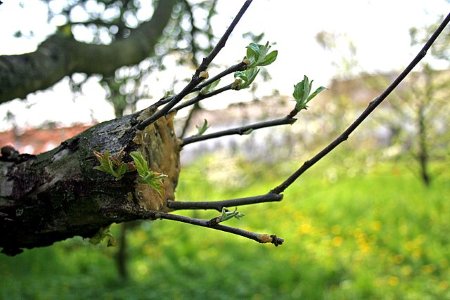
A subtle yet significant reason for graft failure is nutrient deficiency or imbalance. Young grafts require adequate energy and nutrients to form callus tissue and grow into a healthy plant. Lack of nitrogen, phosphorus, potassium, or trace minerals can slow healing or prevent proper union formation.
Over-fertilization can also be harmful, causing excessive growth in one part of the plant and destabilizing the graft.
Prevention Tip: Ensure your plants are healthy and well-nourished before grafting. Balanced fertilization and maintaining soil health create optimal conditions for graft success.
7. Neglecting Post-Graft Care
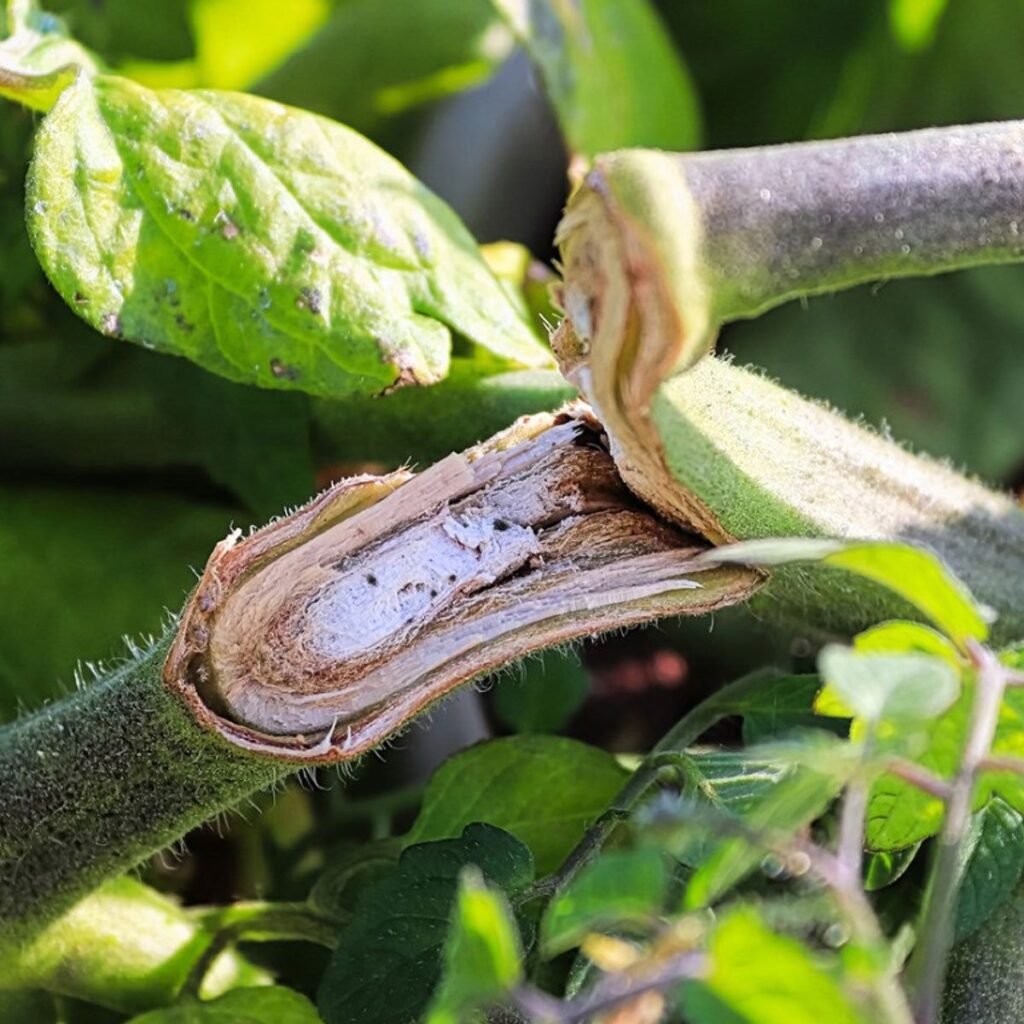
Even after a successful graft, many gardeners fail to provide the necessary post-grafting care. The grafted section must be supported, protected, and monitored closely. Binding materials may need adjustment, protective covers removed gradually, and shoots pruned to encourage strong growth.
Ignoring these steps can cause mechanical stress, desiccation, or weak growth, ultimately leading to graft failure even after the initial union seems successful.
Prevention Tip: Monitor your graft regularly. Adjust ties, protect the graft from mechanical damage, and prune competing shoots to focus energy on the grafted union.
Conclusion
Grafting is both an art and a science. While the process may seem straightforward, the reality is that multiple factors—compatibility, timing, technique, environment, pests, nutrition, and post-care—must all align for success. By understanding the hidden reasons grafts fail and taking proactive steps to address them, gardeners can dramatically improve their success rates.
Remember, each failed graft is a learning opportunity. Observe what went wrong, adjust your approach, and try again. With patience, precision, and care, successful grafting can become one of the most rewarding practices in your gardening journey.
Final Thoughts:
- Always start with healthy plants and compatible varieties.
- Pay attention to timing and environmental conditions.
- Master the technique and maintain meticulous post-graft care.
With these strategies, you can turn grafting failures into thriving successes, giving you stronger, healthier, and more productive plants for years to come.