Eucalyptus trees, native to Australia and known for their aromatic leaves and rapid growth, are increasingly becoming popular as indoor plants. While people often think of these trees in their natural outdoor settings, they can thrive beautifully indoors. In this article, we’ll explore the various reasons why growing eucalyptus indoors can be beneficial, the specific species that are best suited for indoor cultivation, and tips on how to care for them effectively.
1. Aromatic Benefits
One of the most compelling reasons to grow eucalyptus indoors is its aromatic qualities. The leaves of eucalyptus trees emit a strong, pleasant scent that can invigorate your living spaces. This natural fragrance can help purify the air and create a calming atmosphere. Additionally, its essential oils are often used in aromatherapy, providing a refreshing and uplifting environment.
2. Aesthetic Appeal
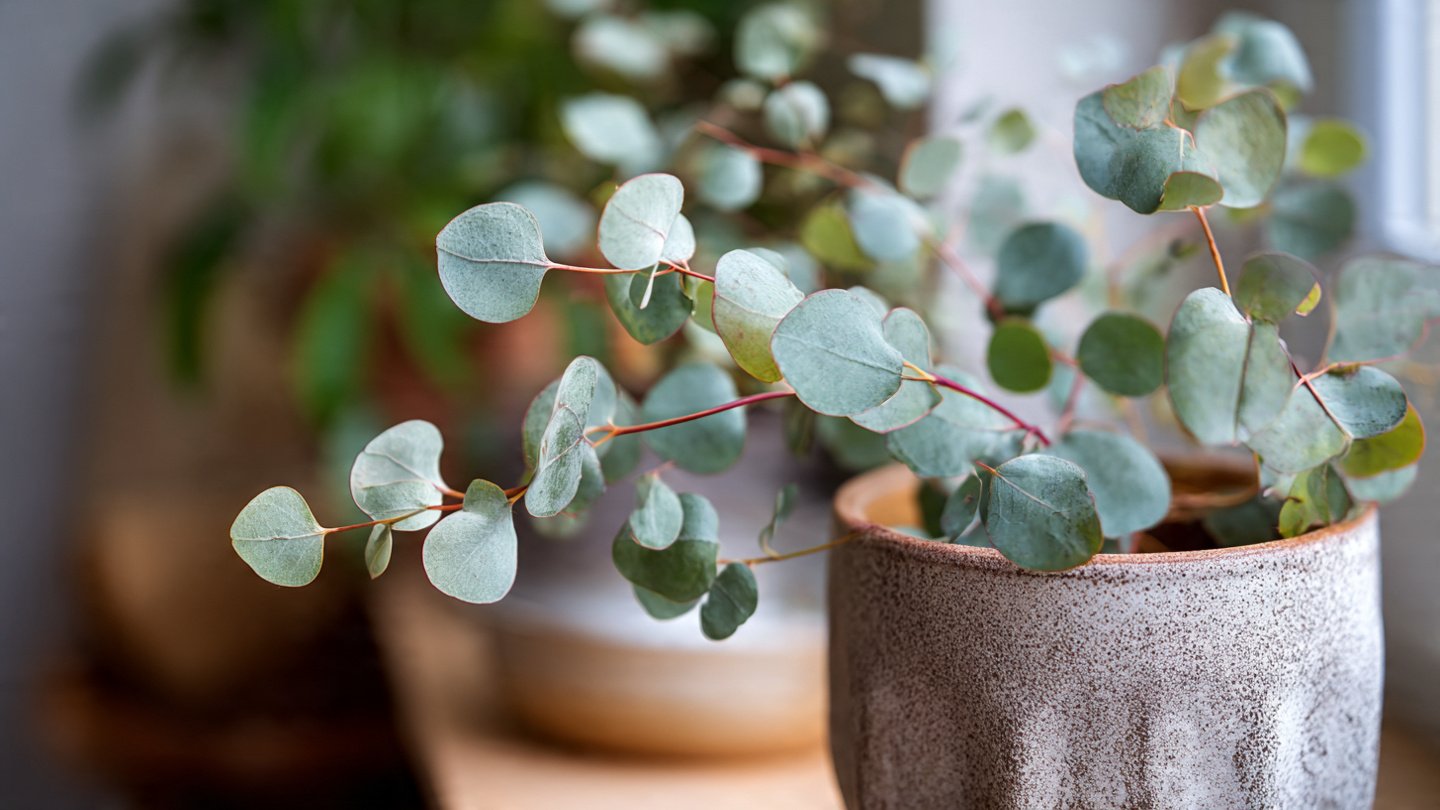
Eucalyptus plants, particularly varieties like the Eucalyptus cinerea (commonly known as the silver dollar eucalyptus), are visually appealing. Their bluish-green leaves have a unique texture and vibrant color that can enhance any interior decor. Whether you place them in a decorative pot or incorporate them into your home design, eucalyptus can serve as a stunning focal point in your space.
3. Air Purification
Indoor plants are often celebrated for their ability to improve air quality, and eucalyptus is no exception. These plants are known to help filter out harmful chemicals from the air, such as formaldehyde and benzene. By absorbing these toxins and releasing oxygen, eucalyptus plants contribute to a healthier indoor environment, promoting overall well-being for you and your family.
4. Low Maintenance
Unlike many indoor plants that require meticulous attention, eucalyptus trees are relatively low maintenance. They thrive in various conditions and can adapt to different light situations. Eucalyptus plants generally prefer bright, indirect sunlight but can tolerate partial shade. Additionally, they require minimal watering once established, making them a perfect choice for busy individuals or novice gardeners.
5. Growth and Versatility
Another benefit of growing eucalyptus indoors is its versatility. Many eucalyptus species can be pruned to fit indoor spaces, allowing you to control the size and shape of your plant. While some types can grow into large trees outdoors, keeping them indoors can prevent excessive growth. Moreover, eucalyptus can also be used as a cut flower. Their long-lasting foliage can enhance bouquets and other floral arrangements.
6. Medicinal Properties
Eucalyptus leaves have long been known for their medicinal properties. The essential oils extracted from eucalyptus are commonly used for treating colds, congestion, and respiratory issues. By growing eucalyptus indoors, you will have a natural remedy on hand, potentially improving your health and well-being. Additionally, the leaves can be brewed into a tea for soothing effects.
7. Environmental Considerations
In an era of increased environmental awareness, growing your own eucalyptus can have ecological benefits. Indoor plants can help offset carbon emissions and reduce your carbon footprint. By integrating eucalyptus into your indoor garden, you contribute to the environment while enjoying the numerous rewards of having plants indoors.
8. Promoting Mindfulness
Caring for indoor plants, including eucalyptus, encourages mindfulness and a sense of responsibility. Engaging with nature, even in small ways, has been shown to decrease stress levels and improve mental health. The presence of greenery in your home can foster relaxation and promote a more balanced lifestyle.
9. Unique Gift Idea
Eucalyptus plants make fabulous gifts for housewarmings, birthdays, or any special occasion. Their unique appearance and fragrant aroma can bring joy and tranquility to loved ones. As a bonus, many people appreciate the relatively easy care required for these plants, making them an excellent choice for anyone, regardless of their gardening skill level.
Tips for Growing Eucalyptus Indoors
If you’re convinced of the benefits and are eager to start growing eucalyptus indoors, here are some handy tips to ensure your plant thrives:
- Choose the Right Species: Opt for smaller eucalyptus varieties, such as Eucalyptus globulus (blue gum) or Eucalyptus cinerea, which are better suited for pot cultivation.
- Soil Requirements: Use well-draining potting soil to prevent root rot. Adding perlite or sand can enhance drainage.
- Watering: Allow the top inch of the soil to dry out before watering. Eucalyptus prefers slightly drier conditions.
- Light Requirements: Place your plant in a spot with plenty of indirect sunlight. If natural light is limited, consider using grow lights.
- Temperature: Eucalyptus grows best in temperatures between 65°F to 75°F (18°C to 24°C). Protect the plant from drafts and extreme temperature changes.
- Fertilizing: During the growing season, use a balanced liquid fertilizer every 4-6 weeks to encourage healthy growth.
- Pruning: Regularly prune the eucalyptus to maintain a manageable size and encourage bushier growth. This also helps enhance the plant’s aesthetic appeal.
Conclusion
Growing eucalyptus indoors presents numerous benefits that can enhance your living space and contribute positively to your health and well-being. From its aromatic properties to air-purifying capabilities, eucalyptus offers a unique blend of aesthetics and functionality. With relatively low maintenance needs and the potential for beautiful growth, it stands out as an appealing choice for indoor gardening. Whether you’re looking to add a touch of greenery, improve your air quality, or find a natural remedy at your fingertips, eucalyptus can meet your needs while bringing joy to your home.
FAQs
1. Can eucalyptus survive indoors all year round?
Yes, many species of eucalyptus can thrive indoors year-round, given the right care—adequate light, proper watering, and appropriate temperatures.
2. How often should I water my indoor eucalyptus?
Water your eucalyptus when the top inch of soil feels dry. Overwatering can lead to root rot, so allowing the soil to dry out slightly between waterings is crucial.
3. Are there any pests I should be aware of?
Eucalyptus can be susceptible to pests like spider mites and aphids. Regularly inspect your plant and treat any infestations with insecticidal soap or neem oil.
4. Can I use eucalyptus leaves for cooking or teas?
While eucalyptus leaves can be brewed into teas, it’s important to ensure you are using a safe variety and consult healthcare professionals if you have concerns about using them for culinary purposes.
5. What is the best pot size for indoor eucalyptus?
Choose a pot that’s at least 12 inches in diameter for young eucalyptus plants. Ensure it has drainage holes for excess water.