Gardening is an age-old practice that has evolved alongside human civilization. Whether you’re a seasoned gardener or a novice looking to grow a few vegetables, achieving the right plant spacing is crucial for healthy growth, productivity, and ease of maintenance. One innovative solution that has gained traction in recent years is seed tape. This thoughtful gardening tool not only simplifies the planting process but also ensures optimal spacing between seeds. In this article, we will delve into the reasons why you should consider using seed tape for perfect plant spacing.
What is Seed Tape?
Seed tape is a gardening product designed to facilitate the sowing of seeds in a uniform manner. Typically made from biodegradable paper, seed tape is embedded with seeds at specific intervals. The tape comes in various lengths, and each seed is placed at distances suited for the particular type of plant being cultivated. Using seed tape means the gardener can simply place the tape in the soil, cover it with soil, and water it, minimizing the need for tedious manual seed spacing.
Advantages of Using Seed Tape
1. Achieving Perfect Spacing
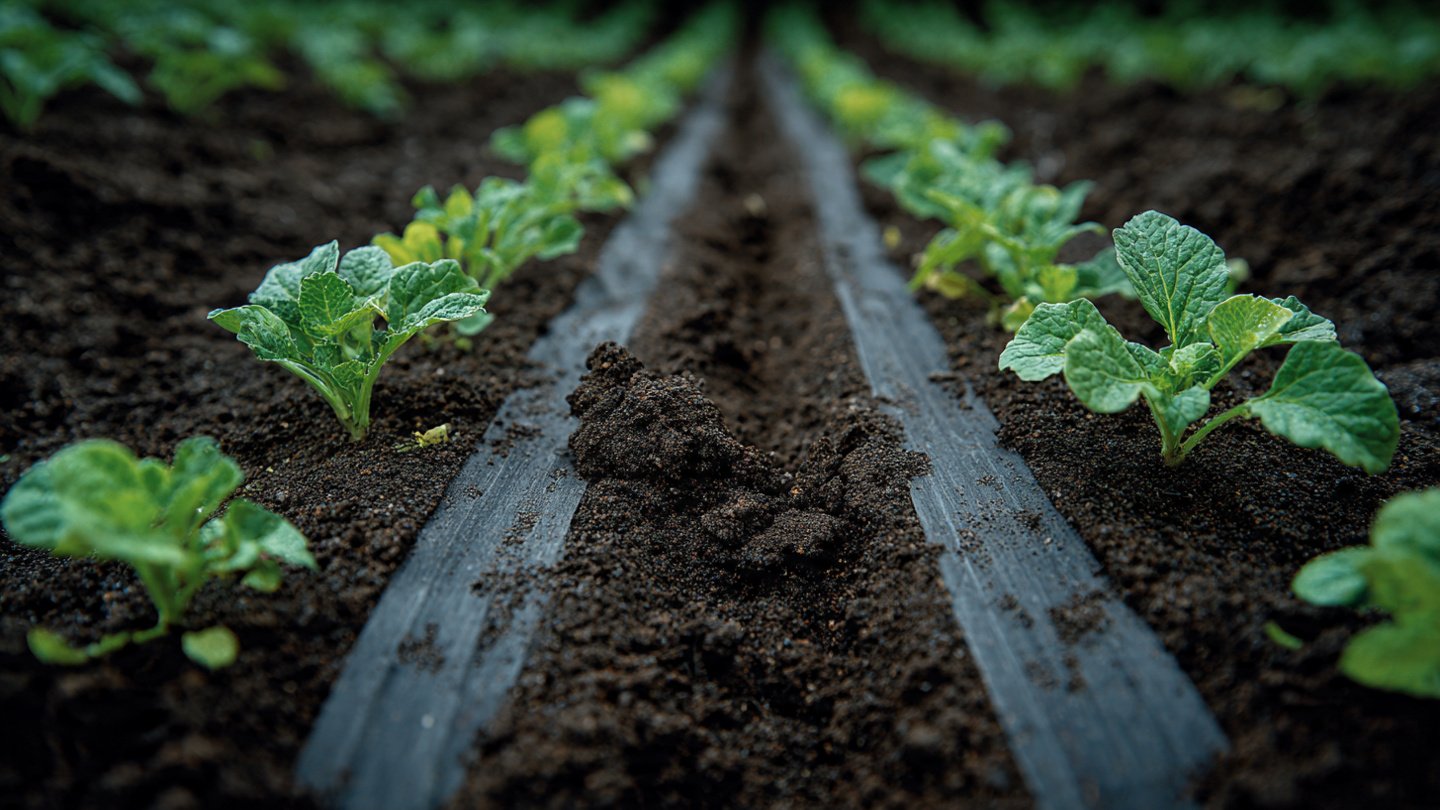
One of the primary benefits of seed tape is its ability to ensure uniform spacing between seeds. This even distribution minimizes competition for nutrients, water, and sunlight among plants. For crops that require specific spacing—such as carrots, lettuce, and radishes—using seed tape can significantly improve the quality and yield of your harvest.
2. Easier Planting Process
Planting can sometimes be a daunting task, especially if you’re sowing tiny seeds. With seed tape, the challenging and often frustrating process of measuring distances between seeds is eliminated. The tape is designed with pre-spaced seeds, making the planting process quicker, simpler, and more enjoyable.
3. Reduced Thinning Requirement
Thinning is the process of removing excess seedlings to prevent overcrowding as they grow. This chore can be labor-intensive and time-consuming. However, when using seed tape, the spacing is generally already effective, which may reduce or even eliminate the need for thinning altogether. This not only saves you time but also prevents the distress that young plants undergo when they are removed from their growing environment.
4. Improved Germination Rates
Seed tape is often created using seeds that have been treated for optimal germination. The pre-spaced seeds not only make the planting process easier but also ensure that the seeds are placed in optimal conditions for germination. The tape helps retain moisture around the seeds, which fosters quicker and more uniform sprouting.
5. Time Efficiency
In today’s fast-paced world, many gardeners appreciate solutions that save time. Seed tape can dramatically reduce the amount of time spent on sowing seeds. In a matter of minutes, you can have an entire row of seeds planted, allowing you to devote more time to other essential gardening tasks.
6. Compatibility with Different Gardening Systems
Seed tape is versatile and can be used in various gardening systems, including traditional in-ground gardens, raised beds, and container gardens. This adaptability makes it a practical option for virtually any gardening setup. Whether you’re an urban gardener with limited space or someone working with a large plot of land, seed tape can accommodate your needs.
7. Cost-Effectiveness
Investing in seed tape can also be a cost-effective decision. While initially it may seem like a higher upfront cost compared to bulk seeds, the benefits can outweigh the costs. If you consider the time saved, the reduction in seed waste, and the potential for higher yields, seed tape can offer great value.
8. Variety of Seeds and Crops
Seed tape is available for a wide range of crops, from popular vegetables like carrots, beans, and peas to herbs and even flowers. This variety allows gardeners to experiment and find out what works best in their specific conditions. Many garden centers and online retailers now offer seed tape options for a range of different plant species.
9. Better Management of Soil Conditions
Seed tape can help in managing soil conditions more effectively. By ensuring that seeds are planted at proper distances apart, the soil can maintain better aeration and moisture levels. This can reduce the risk of soil compaction and allows for better root penetration, promoting healthier plant growth.
10. Ease of Use for Children and Novice Gardeners
Seed tape makes gardening accessible for children and novice gardeners who may feel intimidated by traditional sowing methods. Because the tape is easy to handle and eliminates complicated measurements, it allows for a fun, engaging experience. Teaching children about gardening using seed tape can instill a love for plants and the environment.
Important Considerations
While seed tape has numerous benefits, it’s essential to consider a few factors before deciding to incorporate it into your gardening practices:
1. Initial Cost
Although seed tape can save you time and potential future expenses, it may be more expensive upfront than buying bulk seeds. Evaluate your budget and gardening goals to determine if the investment is worthwhile.
2. Potential for Breakage
Seed tape can sometimes be fragile, especially if it is not handled properly. Be cautious during planting and ensure that you store it in a cool, dry place before use to prevent any damage.
3. Variety Availability
While the variety of seed tapes available has been increasing, not every type of plant may have a seed tape option. If you’re looking for a specific variety, make sure to check availability beforehand.
How to Use Seed Tape Effectively
Using seed tape is simple, but there are a few tips to ensure the best results:
1. Prepare the Soil
Before planting, prepare the soil by tilling it and removing any weeds or debris. Consider testing your soil’s pH and nutrient levels to ensure it’s ready for optimal seed growth.
2. Follow Instructions
Each seed tape product may have specific planting instructions, including the depth at which it should be planted. Following these guidelines can help maximize germination rates and plant health.
3. Water Thoroughly
After planting the seed tape, water the area adequately to ensure the seeds have enough moisture to germinate. However, avoid over-saturating, as this could lead to seed rot.
4. Mulch for Moisture Retention
Applying a thin layer of mulch can help retain moisture and reduce the need for frequent watering, which is especially useful during hot, dry periods.
5. Monitor Growth
Keep an eye on the seedlings as they develop. This will not only help you enjoy the growth process but will also allow you to identify any issues early and address them promptly.
Conclusion
The use of seed tape in home gardens and larger agricultural setups provides numerous advantages, from achieving perfect plant spacing to simplifying the planting process and improving germination rates. Its ease of use makes it an excellent option for gardeners of all experience levels.
As gardening continues to evolve with innovative tools and solutions, seed tape stands out as a practical and efficient choice for promoting healthy, vibrant, and productive plants. Whether you’re looking to save time, improve yields, or simply make the planting process more enjoyable, seed tape can undoubtedly play a substantial role in your gardening journey. Embrace this innovative tool, and enjoy the beauty of a flourishing garden, perfectly spaced and ready to thrive!