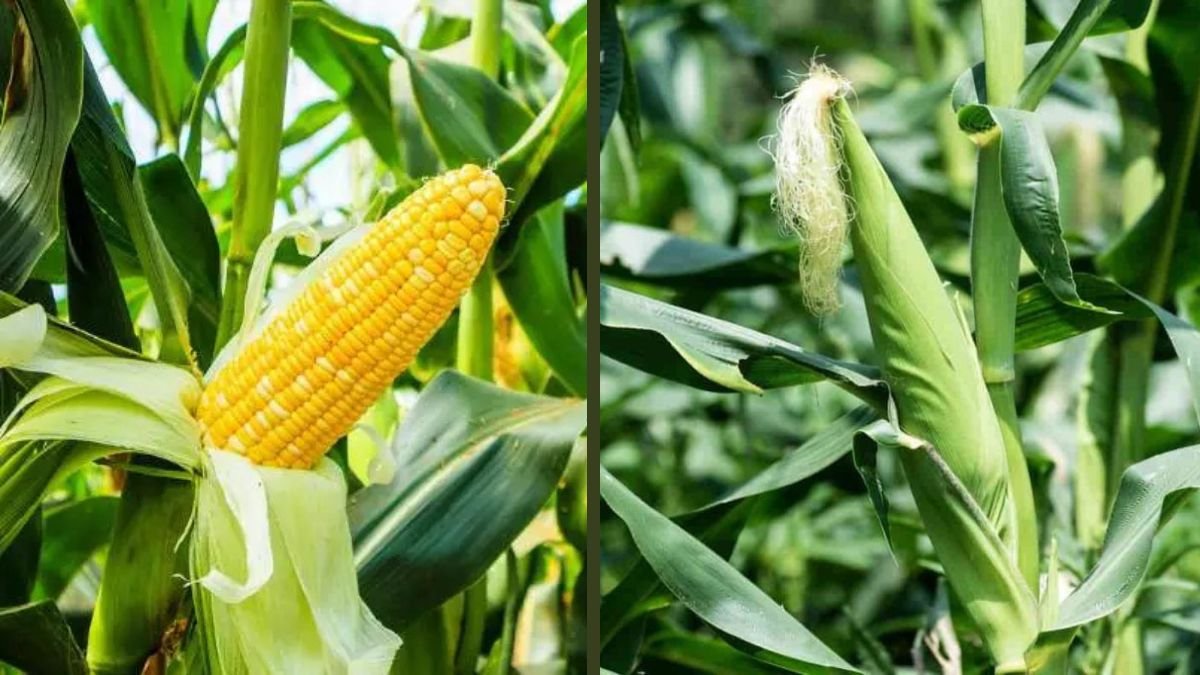
Introduction: Corn Farming on Small Land
Corn is a nutritious and versatile crop enjoyed by families worldwide. Many mothers believe corn needs large farmland. In reality, corn grows well even in small plots. With proper spacing and care, small land produces excellent yield. Corn adapts well to home gardens. This guide explains an easy method. Mothers can grow corn confidently. Small space is not a limitation.
Understanding Corn Plant Growth
Corn grows as a tall, single-stem plant. Roots spread moderately. It requires sunlight and nutrients. Pollination occurs through wind. Healthy plants grow uniformly. Understanding growth helps planning. Corn responds quickly to care. Knowledge increases success.
Choosing the Right Corn Variety
Select short-duration varieties. Local varieties adapt best. Avoid hybrid seeds if seed saving is needed. Choose disease-resistant seeds. Healthy seeds ensure uniform growth. Variety selection impacts yield. Mothers should choose wisely.
Preparing Small Plot Soil
Loosen soil deeply. Remove weeds. Add compost generously. Soil fertility is important. Even small plots need good preparation. Balanced soil supports tall plants. Preparation reduces future problems. Good soil ensures strong stems.
Best Season for Corn Planting
Corn grows best in warm weather. Early summer and monsoon are ideal. Avoid frost periods. Warm soil ensures germination. Seasonal planting reduces stress. Timing improves pollination. Correct season boosts yield.
Layout and Spacing in Small Land
Proper spacing is critical. Corn needs airflow. Overcrowding reduces pollination. Maintain uniform rows. Small plots benefit from grid layout. Correct spacing increases cob size. Planning maximizes land use.
Watering Corn Correctly
Corn requires regular watering. Avoid waterlogging. Deep watering strengthens roots. Dry stress reduces yield. Mulching conserves moisture. Balanced watering supports cob formation. Watering discipline is essential.
Nutrient Management for Strong Growth
Corn is a heavy feeder. Compost and cow dung work well. Apply nutrients in stages. Avoid excess nitrogen. Balanced feeding supports cobs. Organic nutrition improves soil. Healthy feeding increases yield.
Weed Control in Small Plots
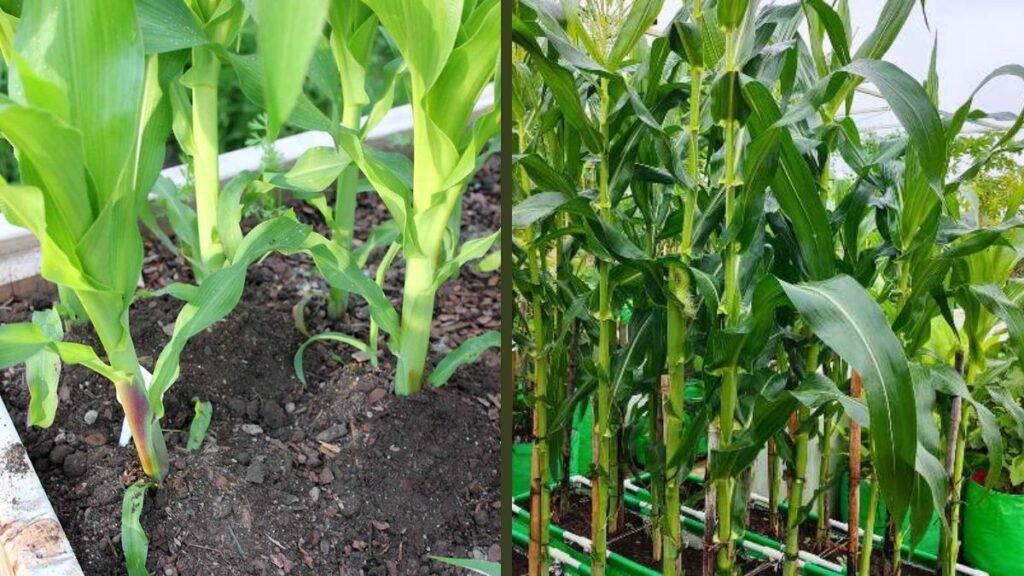
Weeds compete for nutrients. Remove weeds early. Mulching reduces weed growth. Clean soil supports corn growth. Manual weeding is sufficient. Weed control saves nutrients. Simple care works best.
Supporting Tall Corn Plants
Strong winds may bend plants. Earth up soil around base. This strengthens stems. Support improves stability. Healthy plants stand upright. Support prevents lodging. Simple technique improves growth.
Understanding Pollination in Corn
Corn requires good pollination. Planting in blocks helps. Wind transfers pollen effectively. Avoid wide gaps. Healthy tassels and silks are important. Pollination ensures full cobs. Good spacing supports pollination.
Managing Pests Naturally
Corn faces minor pest issues. Neem spray helps. Hand removal is effective. Healthy plants resist pests. Avoid chemicals near harvest. Natural methods are safer. Mothers can manage easily.
Monitoring Cob Formation
Cobs appear after flowering. Maintain watering. Avoid stress at this stage. Proper nutrition supports grain filling. Observation helps timely action. Healthy cobs indicate success.
Harvesting Corn at Right Time
Harvest when silks turn brown. Kernels should be full. Morning harvest keeps freshness. Use sharp knife. Avoid damaging plant. Proper timing improves taste.
Post-Harvest Handling
Remove husks carefully. Consume fresh for best taste. Store briefly if needed. Fresh corn has better nutrition. Clean handling improves quality. Home-grown corn tastes superior.
Improving Soil After Corn Harvest
Remove old stalks. Add compost. Loosen soil again. Soil fertility improves over time. Small land becomes productive. Crop rotation helps. Soil care ensures future success.
Comparison Table: Small Plot vs Large Field Corn
| Aspect | Small Plot | Large Field |
|---|---|---|
| Management | Easy | Difficult |
| Investment | Low | High |
| Yield Control | High | Variable |
| Pest Control | Simple | Complex |
| Sustainability | High | Moderate |
Benefits for Mothers and Families
Fresh corn at home. Saves money. Improves nutrition. Builds confidence. Encourages gardening habit. Suitable for small spaces. Family involvement increases joy.
Sustainability and Home Value
Organic corn protects health. Reduces market dependency. Improves soil. Encourages eco-friendly living. Long-term benefits are strong. Gardening becomes lifestyle.
Conclusion
With just a small plot of land, mothers can grow corn successfully by following simple methods. Proper soil care, spacing, and organic practices ensure healthy harvests. Small land can produce big results.