Introduction: Why Grow Acai in Containers
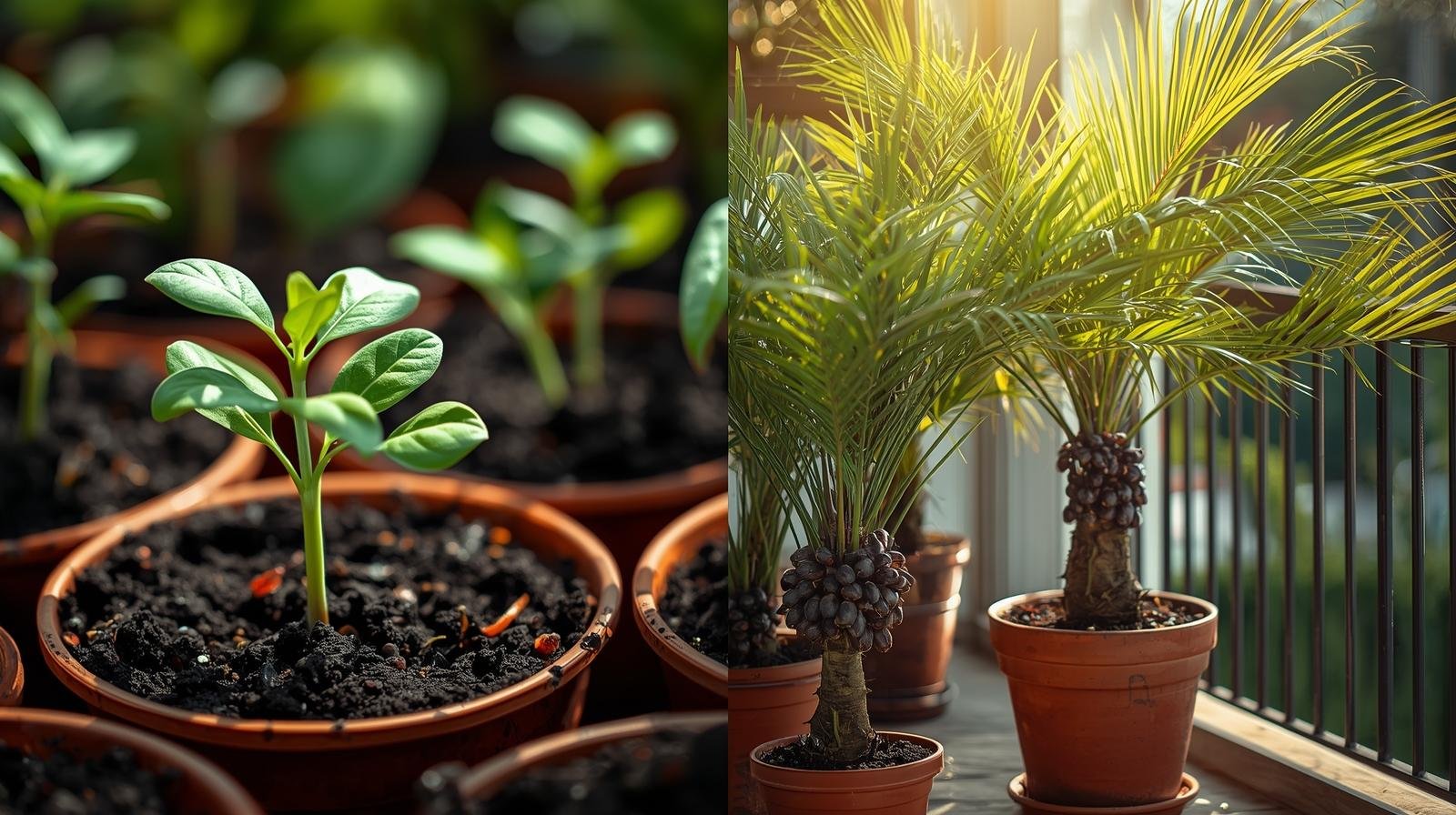
Acai berries are prized for their nutritional benefits and vibrant color. Growing them at home provides fresh fruit and boosts overall wellness. Container gardening is ideal for tropical plants in non-tropical climates. Acai palms are adaptable to pots, making them perfect for patios, balconies, or greenhouses. Container growth allows control over soil, watering, and sunlight. Acai trees also add ornamental beauty. Homegrown acai is fresher than store-bought versions. With proper care, even beginners can enjoy tropical fruit. Growing in containers ensures flexibility and mobility. It is a sustainable and rewarding gardening choice.
Understanding Acai Plant Characteristics
Acai palms are native to the Amazon rainforest. They prefer warm, humid conditions. These palms grow slender and can reach moderate heights. In containers, height is limited by pot size. Leaves are long and pinnate, creating tropical appeal. Acai requires well-drained soil and consistent moisture. Container growth mimics natural tropical environments. Understanding plant characteristics ensures better care. Proper knowledge prevents stress and improves fruit yield.
Step 1: Selecting the Right Container
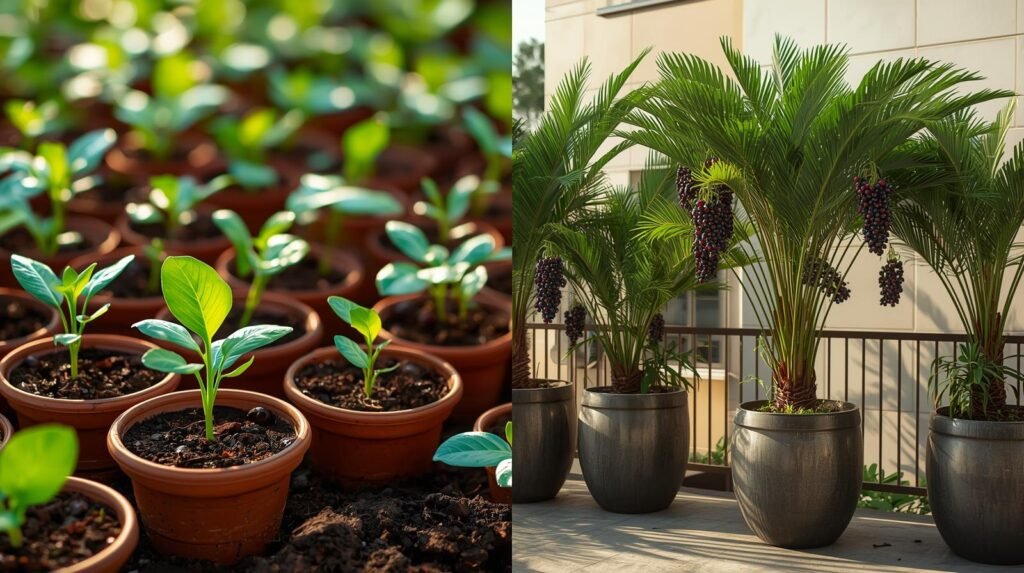
Acai palms need deep containers to accommodate roots. A minimum pot depth of eighteen inches is recommended. Large pots provide stability for tall growth. Ensure containers have drainage holes. Clay, ceramic, or heavy plastic pots work well. Weight prevents tipping in windy conditions. Pot size influences growth speed. Using large containers encourages healthy development. Container choice is critical for success.
Step 2: Choosing Healthy Acai Seeds or Seedlings
Start with fresh seeds or young seedlings. Seeds should be plump and free of mold. Germination can take a few weeks under warm conditions. Seedlings adapt faster to container life. Use high-quality nursery plants if available. Seedling roots should be undamaged. Healthy starts reduce transplant shock. Proper selection ensures strong plants. This step affects long-term growth and fruiting.
Step 3: Preparing the Soil
Acai palms prefer well-draining, nutrient-rich soil. Use a mix of potting soil, sand, and compost. Avoid heavy clay soil that retains water. Slightly acidic soil improves nutrient absorption. Organic matter supports microbial activity. Soil must remain loose for root expansion. Fertile soil encourages fast growth. Container soil requires monitoring for compaction. Regular soil care ensures healthy palms.
Step 4: Planting Acai in Containers
Plant seeds or seedlings carefully in prepared soil. Cover seeds lightly and keep soil moist. Seedlings should be centered for root stability. Water gently after planting. Mulch can reduce moisture loss. Avoid deep planting to prevent rot. Planting depth affects growth speed. Proper planting ensures strong establishment. Container planting requires attention to detail.
Step 5: Providing Adequate Sunlight
Acai palms thrive in full to partial sun. Place containers in locations receiving six to eight hours of sunlight. Insufficient light reduces growth rate and leaf vibrancy. Rotate containers occasionally for even exposure. Sunlight stimulates photosynthesis for fruit production. Monitor leaves for signs of sunburn. Adjust positioning during extreme heat. Container flexibility ensures optimal light. Sun exposure is crucial for success.
Step 6: Watering and Humidity Requirements
Acai requires consistent moisture but not waterlogging. Water when topsoil feels dry. Maintain high humidity if growing indoors. Use trays or misting to boost humidity. Overwatering leads to root rot. Proper drainage prevents water stagnation. Moist soil encourages root growth and fruiting. Balanced watering ensures healthy foliage. Container management allows precise moisture control.
Step 7: Fertilizing for Growth and Fruit
Acai palms are moderate feeders. Use balanced tropical plant fertilizers. Apply every four to six weeks during growth season. Avoid excessive nitrogen, which promotes leaves over fruit. Organic fertilizers like compost tea work well. Container plants deplete nutrients faster than garden soil. Fertilization improves leaf health and berry quality. Correct feeding supports long-term productivity. Nutrition affects growth and taste.
Step 8: Pruning and Maintenance
Prune dead or damaged fronds regularly. This prevents disease and encourages airflow. Maintain a manageable height in containers. Remove overcrowded shoots to focus energy on fruit production. Regular maintenance enhances aesthetics. Pruning reduces pest hiding spots. Monitor leaf color and texture for health. Container palms respond well to consistent pruning. Proper care ensures longevity.
Step 9: Pest and Disease Management
Common pests include spider mites and scale insects. Use organic treatments like neem oil or insecticidal soap. Inspect leaves weekly for infestation. Avoid chemical sprays that harm beneficial microbes. Ensure airflow to prevent fungal diseases. Remove infected leaves promptly. Container plants are easier to monitor. Preventive care reduces crop loss. Pest management supports healthy fruit.
Step 10: Harvesting Acai Berries
Acai berries ripen in clusters on mature palms. Look for dark purple color before harvesting. Pick berries carefully to avoid damaging stems. Container palms may produce fewer fruits but of high quality. Harvest in morning for freshness. Consume immediately or freeze for storage. Proper harvesting preserves plant health. Container growing allows controlled collection. Timing affects flavor and nutrition.
Acai Container Growing Reference Table
Aspect
Recommended Practice
Container Depth
Eighteen inches minimum
Soil Type
Well-draining, nutrient-rich
Sunlight
Six to eight hours daily
Watering
Consistent but not waterlogged
Fertilizer
Balanced tropical plant feed
Pruning
Remove dead fronds regularly
Final Thoughts on Growing Acai in Containers
Acai palms thrive in containers with proper care. Sunlight, water, and fertilization are essential. Pruning and pest management maintain plant health. Container growing is perfect for urban spaces. Even beginners can cultivate this tropical superfood. Fresh acai improves home nutrition. Observing plant needs ensures success. Sustainable container gardening offers aesthetic and edible rewards. Acai provides both beauty and nutrition.