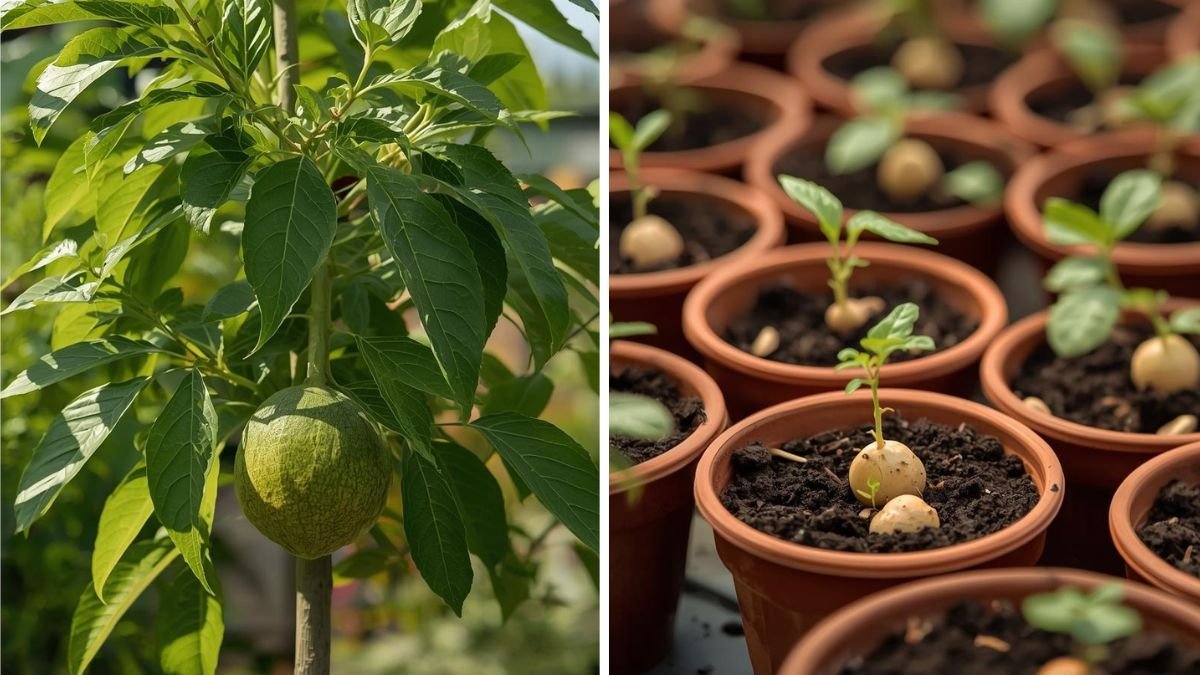
Introduction to Heat Challenges in Cherimoya Growing
Growing cherimoya in extreme summer heat presents unique challenges. Cherimoya prefers mild climates, making heat management critical. High temperatures can stress trees quickly. Leaf scorch, flower drop, and poor fruit set are common problems. Understanding how heat affects the tree is essential. With proper techniques, cherimoya can survive and thrive. Heat-adapted care strategies improve success. This article explains proven methods for hot climates. Gardeners can still enjoy cherimoya harvests. Smart management makes the difference.
Understanding Heat Stress in Cherimoya Trees
Heat stress occurs when temperatures exceed the tree’s tolerance. Leaves may wilt or curl. Growth slows significantly. Flowers may drop prematurely. Fruit development becomes uneven. Root systems also suffer under heat stress. Soil dries out quickly. Understanding symptoms helps early intervention. Heat stress weakens overall tree health. Prevention is more effective than treatment.
Choosing the Right Location
Location plays a major role in heat tolerance. Partial shade protects trees from intense sun. Morning sun with afternoon shade is ideal. Avoid planting near reflective surfaces. Wind protection reduces moisture loss. Good airflow prevents overheating. Proper placement reduces stress naturally. Strategic location selection improves survival. Planning ahead saves effort later. Location choice is critical in hot regions.
Soil Preparation for Heat Resistance
Healthy soil helps trees tolerate heat. Organic matter improves moisture retention. Mulching reduces soil temperature. Well-draining soil prevents root damage. Deep soil encourages deeper roots. Avoid shallow planting. Compost improves soil structure. Healthy roots withstand heat better. Soil preparation is a long-term investment. Strong soil supports resilience.
Watering Techniques During Extreme Heat
Deep watering is essential in hot climates. Frequent shallow watering is ineffective. Water early in the morning. Avoid watering during peak heat. Mulch helps reduce evaporation. Drip irrigation provides consistent moisture. Monitor soil regularly. Overwatering can still cause problems. Balanced hydration supports survival. Proper watering is the most critical factor.
Shade Management Strategies
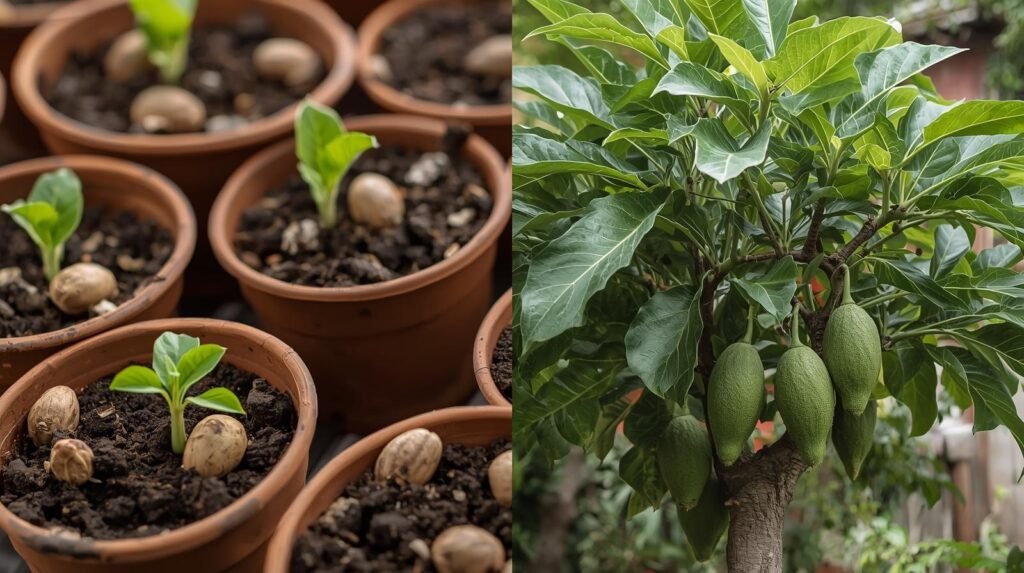
Shade cloth protects trees during extreme heat. Temporary structures reduce sun exposure. Natural shade from taller plants is effective. Avoid complete darkness. Filtered light is ideal. Gradual exposure prevents shock. Shade reduces leaf scorch. Protection during heat waves is essential. Proper shading improves fruit retention. Strategic shading supports long-term growth.
Managing Leaf Scorch and Sunburn
Leaf scorch appears as brown edges. Sunburn damages exposed bark. Whitewash protects trunks. Remove severely damaged leaves. Avoid heavy pruning during heat. Maintain adequate hydration. Sunburn weakens trees permanently. Early protection prevents damage. Monitoring exposure is essential. Preventative care ensures health.
Fertilization Adjustments in Summer
Reduce fertilization during extreme heat. Excess nutrients stress roots. Focus on potassium and micronutrients. Avoid high nitrogen fertilizers. Feed during cooler periods. Organic compost releases nutrients slowly. Fertilization should support stress recovery. Adjust feeding schedules seasonally. Overfeeding worsens heat stress. Smart nutrition supports resilience.
Pruning Considerations in Hot Weather
Avoid heavy pruning during summer heat. Pruning exposes sensitive tissues. Light maintenance pruning is acceptable. Remove dead or damaged branches only. Prune during cooler seasons when possible. Proper timing prevents stress. Shade from foliage protects branches. Controlled pruning improves airflow. Summer pruning should be minimal. Timing is critical for success.
Flower and Fruit Protection
Heat causes flower drop. Protect flowers with shade. Maintain consistent moisture. Hand pollination improves success. Avoid stress during flowering. Fruit may drop under extreme heat. Support branches to reduce strain. Cooling techniques improve fruit retention. Heat management during flowering is crucial. Proper care increases harvest chances.
Mulching Benefits in Extreme Heat
Mulch acts as insulation. It reduces soil temperature. Organic mulch retains moisture. It prevents weed competition. Mulch improves soil structure. Apply thick layers around the base. Keep mulch away from the trunk. Mulching is one of the best heat defenses. Consistent mulching improves resilience. Long-term benefits are significant.
Container Cherimoya in Hot Climates
Container plants heat up faster. Choose light-colored pots. Increase watering frequency. Move pots to shaded areas. Elevate pots for airflow. Container insulation reduces root heat. Mobility allows protection during heat waves. Containers require extra attention. Proper management ensures survival. Container growing is possible with care.
Pest Pressure During High Heat
Heat increases pest activity. Spider mites thrive in hot weather. Inspect leaves regularly. Use organic sprays early. Maintain humidity to deter pests. Healthy plants resist infestations. Stress attracts pests. Integrated pest management is essential. Prevention is easier than treatment. Vigilance ensures plant health.
Signs of Recovery After Heat Stress
New leaf growth indicates recovery. Leaf color improves gradually. Growth resumes during cooler periods. Reduced wilting shows improvement. Proper care speeds recovery. Avoid sudden changes. Consistency helps healing. Monitoring progress guides adjustments. Recovery takes time and patience. Gentle care restores strength.
Long-Term Heat Adaptation Strategies
Gradual acclimation improves tolerance. Deep root development increases resilience. Selecting heat-tolerant varieties helps. Soil improvement is ongoing. Shade planning becomes permanent. Long-term strategies reduce yearly stress. Adaptation takes time. Planning ensures future success. Sustainable practices support longevity. Heat management is continuous.
Mistakes to Avoid in Extreme Heat
Overwatering causes root rot. Removing too much foliage increases sunburn. Ignoring mulch worsens stress. Fertilizing heavily damages roots. Planting in full sun is risky. Late watering increases evaporation. Avoiding shade increases damage. Learning from mistakes improves results. Prevention saves trees. Smart care avoids losses.
Benefits of Successful Heat Management
Healthy trees survive harsh summers. Fruit quality improves. Tree lifespan increases. Stress resistance strengthens over time. Gardening confidence grows. Successful heat management expands growing regions. Adaptation allows exotic fruit production. Careful planning yields rewards. Knowledge empowers gardeners. Success brings satisfaction.
Planning for Future Summers
Prepare before heat arrives. Install shade structures early. Improve soil during cooler seasons. Plan watering systems. Monitor weather forecasts. Adjust care proactively. Preparation reduces damage. Future summers become manageable. Planning ensures consistency. Forward thinking ensures survival.
Table: Heat Protection Techniques for Cherimoya
Technique
Mulching for soil cooling
Technique
Shade cloth protection
Technique
Deep early morning watering
Technique
Reduced summer fertilization
Technique
Light pruning only
Technique
Whitewashing exposed trunks
Technique
Container relocation