Introduction to Miracle Fruit Farming
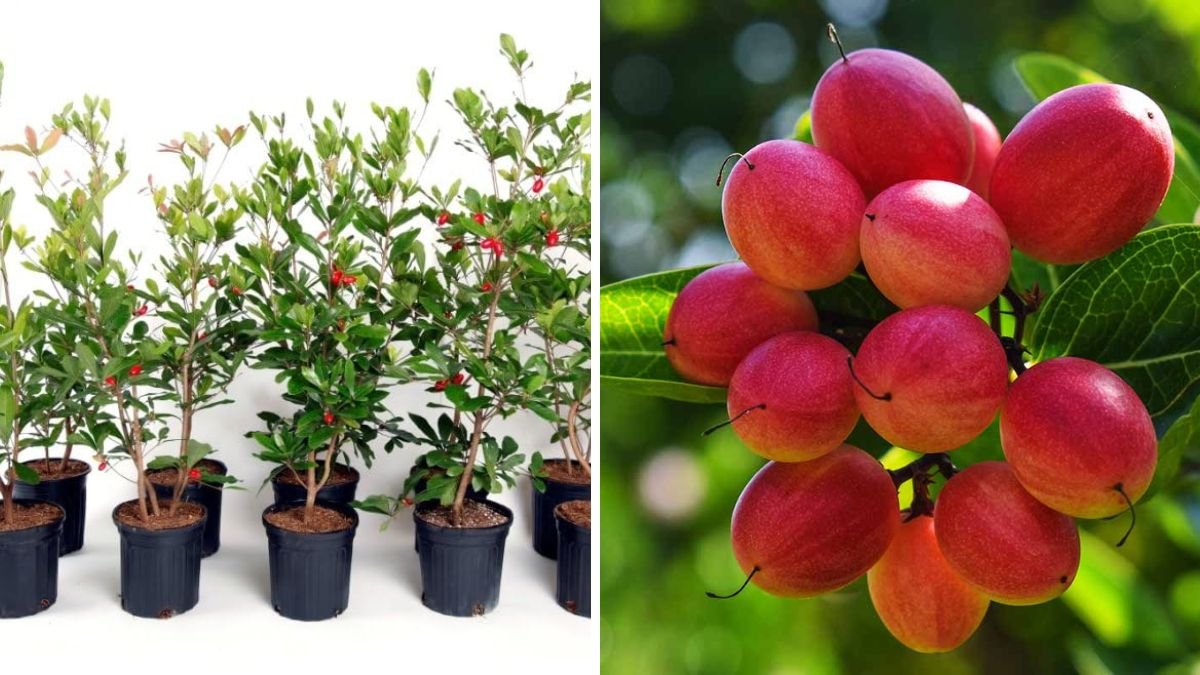
Miracle fruit, also called miracle berry, is a unique tropical fruit famous for its taste-altering property. When eaten, it makes sour foods taste sweet naturally. This rare plant is becoming popular among home gardeners. Miracle fruit farming at home is possible with basic care. The plant is small and suitable for pots. It is ideal for balconies, terraces, and small gardens. This guide explains how to grow miracle berry easily. Beginners can grow it successfully with patience.
Understanding the Miracle Fruit Plant
Miracle fruit is scientifically known as Synsepalum dulcificum. It is a slow-growing evergreen shrub. The plant originates from West Africa. It produces small red berries after flowering. The plant prefers warm and humid conditions. Leaves are glossy and dark green. Growth is slow but steady. Understanding its nature helps long-term success.
Why Miracle Fruit Is Called a Miracle
The berry contains a natural protein called miraculin. This protein changes how taste buds perceive sour flavors. Lemon tastes sweet after eating the berry. This effect lasts for about thirty to sixty minutes. It is popular among diabetics and health enthusiasts. No artificial sweeteners are involved. This unique feature increases demand. Growing it at home ensures fresh berries.
Climate Requirements for Miracle Fruit
Miracle fruit prefers tropical and subtropical climates. Ideal temperature ranges from warm to moderately hot. Cold temperatures slow growth significantly. Frost can damage the plant. Humidity supports healthy leaf growth. Indoor growing is suitable in colder regions. Stable temperature is very important. Climate awareness improves survival.
Choosing the Right Container or Land
Miracle fruit grows well in containers. Pots allow better control of soil and moisture. Choose a deep container with drainage holes. Ground planting works in warm climates. Container growing is recommended for beginners. It prevents root diseases. Proper space ensures healthy growth. Pot selection affects long-term health.
Soil Preparation for Miracle Berry
Miracle fruit requires acidic soil. Soil should be loose and well-draining. A mix of peat, compost, and sand works best. Avoid alkaline soil. Acidic soil supports nutrient absorption. Organic matter improves fertility. Heavy soil causes root rot. Correct soil preparation is essential.
Planting Miracle Fruit at Home
Plant the seedling gently without damaging roots. Place it at the same depth as nursery soil. Water thoroughly after planting. Do not compact the soil tightly. Mulching helps retain moisture. Initial care is very important. Avoid disturbing the plant early. Proper planting ensures establishment.
Watering Schedule for Healthy Growth
Miracle fruit needs consistent moisture. Soil should remain slightly moist. Overwatering leads to root rot. Underwatering causes leaf drop. Use soft water if possible. Drain excess water properly. Water frequency depends on climate. Balanced watering is key.
Sunlight Requirements
Miracle fruit prefers partial sunlight. Direct harsh sunlight may burn leaves. Morning sunlight is ideal. Bright indirect light supports growth. Indoor plants should be near windows. Too much shade reduces flowering. Proper light balance improves berry production. Observe leaf response carefully.
Fertilizing Miracle Fruit Plants
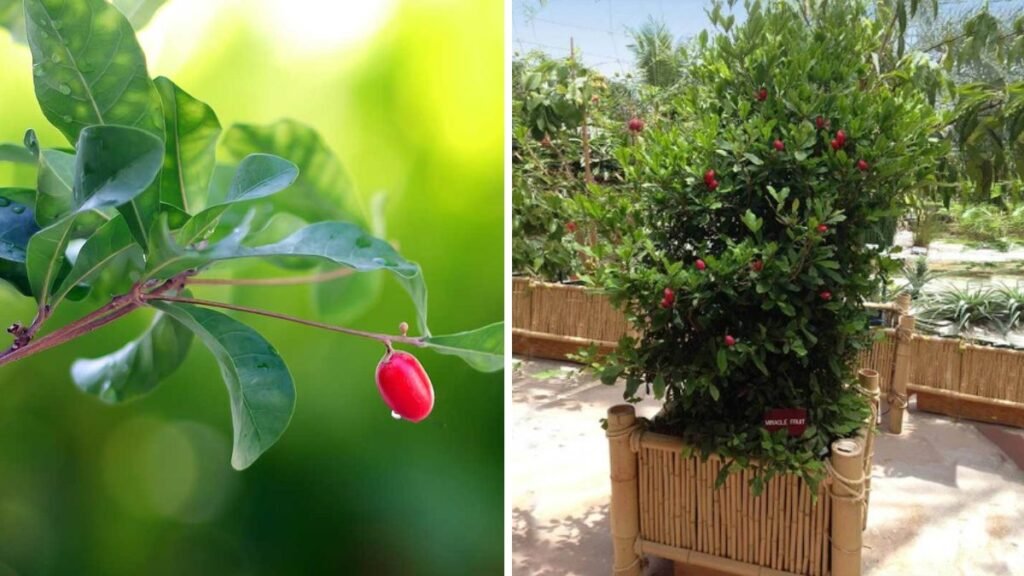
Use organic fertilizers for best results. Compost and vermicompost work well. Feed lightly every few weeks. Avoid chemical fertilizers. Excess feeding harms roots. Acid-loving plant fertilizers are suitable. Proper nutrition supports flowering. Organic care ensures safety.
Growth Rate and Patience
Miracle fruit grows slowly. Initial growth may seem very slow. Root development takes time. Leaves appear gradually. Fruiting may take two to three years. Patience is essential for success. Consistent care brings rewards. Slow growth is normal.
Flowering and Fruit Formation
Small white flowers appear before fruiting. Flowers are self-pollinating. Healthy plants flower regularly. Stress reduces flowering. Proper watering and nutrition support blooms. Flowers turn into red berries slowly. Fruit development takes time. Gentle care improves yield.
Harvesting Miracle Berries
Berries turn bright red when ripe. Harvest carefully by hand. Avoid damaging branches. Fresh berries have best effect. Harvest only mature fruits. Proper timing improves taste effect. Handle gently to preserve quality. Homegrown berries are special.
Common Problems and Solutions
Yellow leaves indicate soil pH issues. Leaf drop suggests watering imbalance. Poor growth indicates low humidity. Pests are rare but manageable. Neem oil works organically. Early correction prevents damage. Regular observation helps. Healthy plants recover well.
Seasonal Care Tips
Protect plant from cold in winter. Reduce watering during cooler months. Increase humidity in dry seasons. Move pots indoors if needed. Seasonal adjustments prevent stress. Observe plant behavior. Adapt care accordingly. Seasonal awareness ensures longevity.
Miracle Fruit in Containers vs Ground
Containers provide better soil control. Ground planting suits tropical regions. Container plants are easier to manage. Ground plants grow larger. Choose based on climate and space. Both methods can succeed. Proper care matters more. Flexibility benefits gardeners.
Table: Miracle Fruit Growing Guide
| Aspect | Requirement |
|---|---|
| Climate | Warm and humid |
| Soil type | Acidic and well-drained |
| Sunlight | Partial sunlight |
| Watering | Consistent moisture |
| Fruiting time | Two to three years |
Health and Lifestyle Benefits
Miracle fruit supports healthy eating habits. It reduces sugar consumption. Safe for diabetics when used wisely. Encourages fruit consumption. Chemical-free sweetness is appealing. Home growing ensures purity. Lifestyle improvement is possible. Health awareness increases.
Long-Term Maintenance
Pruning is minimal for miracle fruit. Remove weak branches occasionally. Repot when roots fill container. Maintain soil acidity. Continue organic feeding. Monitor plant health. Long-term care ensures productivity. Consistency is important.
Conclusion
Miracle fruit farming at home is rewarding and unique. With correct soil, climate, and patience, anyone can grow it. Its taste-altering ability makes it special. Container growing is beginner-friendly. Organic care ensures safety. Slow growth requires patience. Start your miracle berry journey today.