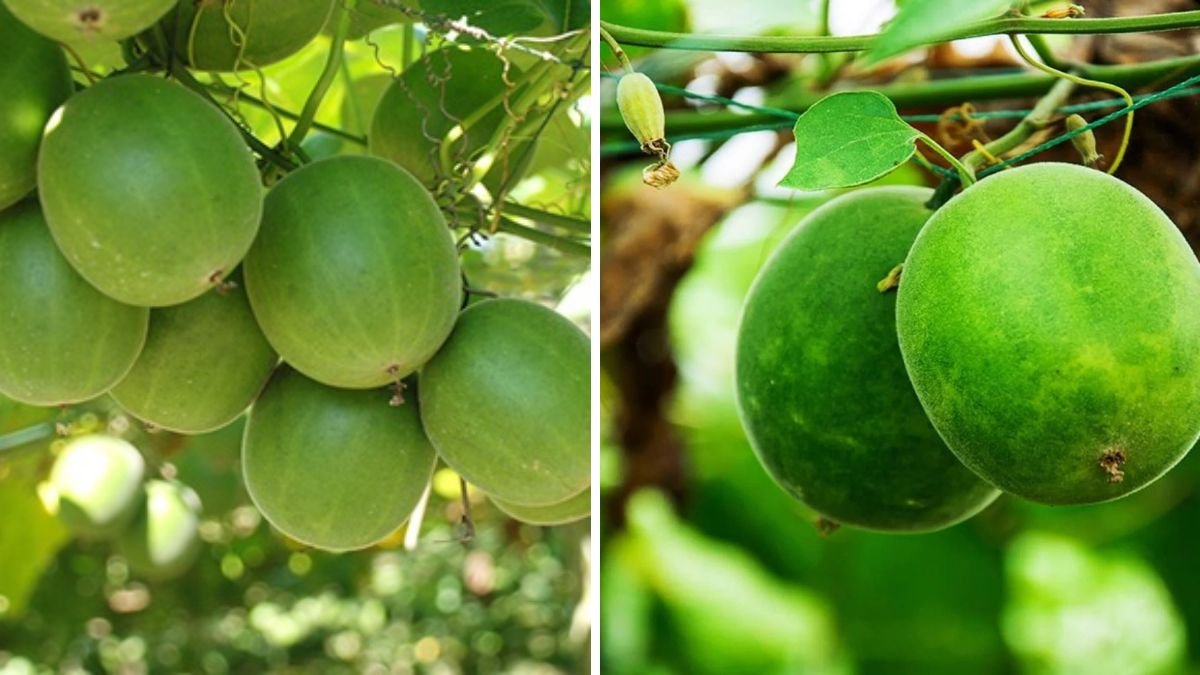
1. Introduction to Monk Fruit
Monk fruit is a traditional Chinese fruit known for medicinal benefits. It is naturally sweet without calories. Recently, it has gained attention in India. Farmers in Himachal are experimenting with cultivation. The fruit is promoted as a sugar alternative. Health benefits drive its popularity. Monk fruit suits modern lifestyles. This article explores its journey.
2. Historical Significance in China
Monk fruit has been used for centuries in China. Buddhist monks popularized its use. Traditional medicine valued its healing properties. It was used for cough and digestion. Knowledge passed through generations. Cultural importance remains strong. History supports its credibility. Tradition adds trust.
3. Nutritional Composition
Monk fruit contains natural compounds called mogrosides. These compounds provide sweetness. There are no calories. It does not raise blood sugar. Antioxidants improve health. Nutritional value supports wellness. It is suitable for diabetics. Composition is unique.
4. Medicinal Benefits
Monk fruit supports blood sugar control. It helps manage obesity. Anti inflammatory properties aid immunity. It supports digestive health. Traditional use treats throat ailments. Modern studies support benefits. Natural sweetness reduces sugar intake. Health benefits are significant.
5. Growing Monk Fruit in Himachal
Himachal has suitable climate conditions. Cool nights and humidity support growth. Mountain terrain resembles Chinese regions. Farmers are adopting new techniques. Controlled cultivation shows promise. Local experiments show success. Adaptation is ongoing. Regional farming is evolving.
6. Climate Suitability in India
Monk fruit prefers mild temperatures. High altitude regions are ideal. Frost protection is needed. Consistent rainfall helps growth. Shade protects vines. Climate matching ensures success. Himachal offers suitable conditions. Adaptation is possible.
7. Soil and Land Preparation
Loose fertile soil supports vines. Organic farming is preferred. Drainage prevents root rot. Compost improves soil fertility. Land preparation improves survival. Raised beds improve drainage. Soil health is crucial. Preparation determines success.
8. Planting Methods
Seedlings are planted carefully. Proper spacing allows vine growth. Support systems are installed early. Gentle watering follows planting. Mulching protects roots. Planting timing matters. Care ensures establishment. Method affects yield.
9. Growth and Training
Vines grow rapidly under good conditions. Trellises guide growth upward. Training improves airflow. Proper spacing prevents disease. Healthy vines support fruit. Monitoring prevents tangling. Vine management is important.
10. Flowering and Pollination
Flowers appear after vegetative growth. Male and female flowers require pollination. Bees assist naturally. Hand pollination improves yield. Weather affects flowering. Proper care supports blooms. Pollination ensures fruit formation.
11. Fruit Development
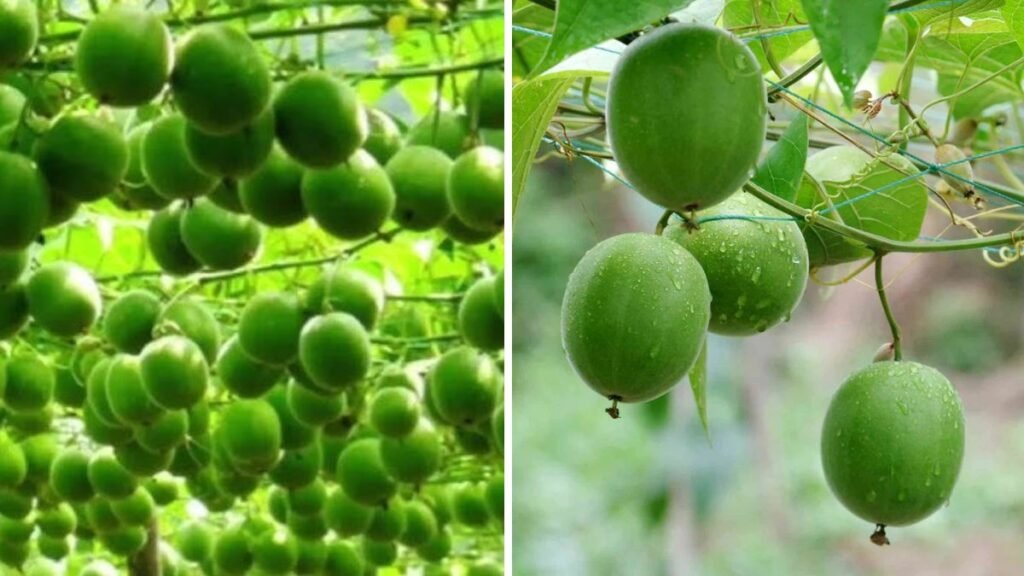
Fruits develop gradually. Green fruits enlarge over time. Nutrients support growth. Stress causes fruit drop. Adequate moisture improves size. Development takes months. Patience is essential. Fruit quality depends on care.
12. Harvesting Practices
Harvest occurs when fruits mature. Hand harvesting prevents damage. Timing affects sweetness. Harvest during dry conditions. Gentle handling preserves quality. Proper tools improve efficiency. Harvesting skill matters.
13. Processing and Drying
Drying concentrates sweetness. Traditional sun drying is used. Controlled drying improves quality. Processing converts fruit to powder. Storage maintains shelf life. Proper methods preserve benefits. Processing adds value.
14. Market Demand in India
Demand for natural sweeteners is rising. Diabetic population drives interest. Health conscious consumers prefer monk fruit. Market potential is strong. Awareness is increasing. Local production reduces imports. Demand supports farmers.
15. Benefits for Farmers
Monk fruit offers high returns. Low competition increases profitability. Sustainable farming is encouraged. Export potential is strong. Government interest supports trials. Farmers diversify income. Benefits are long term.
16. Challenges in Cultivation
Monk fruit requires precise care. Pollination is labor intensive. Climate sensitivity is a challenge. Initial investment is high. Knowledge gap exists. Training is required. Challenges can be managed.
17. Role in Diabetes Management
Monk fruit does not raise blood sugar. It is safe for diabetics. Sugar replacement improves health. Regular use supports weight control. Medical experts support its use. Natural sweetness is beneficial. Diabetes management improves.
18. Role in Obesity Control
Zero calorie sweetness aids weight loss. Reduces sugar cravings. Supports healthy diets. Natural alternative is safer. Long term use benefits metabolism. Obesity management improves. Lifestyle changes are easier.
19. Future Potential in India
Monk fruit farming has bright prospects. Research supports adaptation. Awareness is increasing rapidly. Farmers show interest. Health industry demand is growing. Expansion is expected. Future looks promising.
20. Conclusion
Monk fruit bridges traditional wisdom and modern health needs. Its cultivation in Himachal is promising. Health benefits drive demand. Farmers gain new opportunities. Sustainable practices ensure success. Monk fruit is a valuable crop. Its future in India is strong. Knowledge and care ensure growth.
📊 Table: Monk Fruit Benefits Summary
| Aspect | Advantage | Impact |
|---|---|---|
| Sweetness | Zero calorie | Safe for diabetics |
| Cultivation | High value crop | Farmer income |
| Health | Blood sugar control | Obesity management |
| Market | Rising demand | Economic growth |