1. Introduction to Nance Fruit
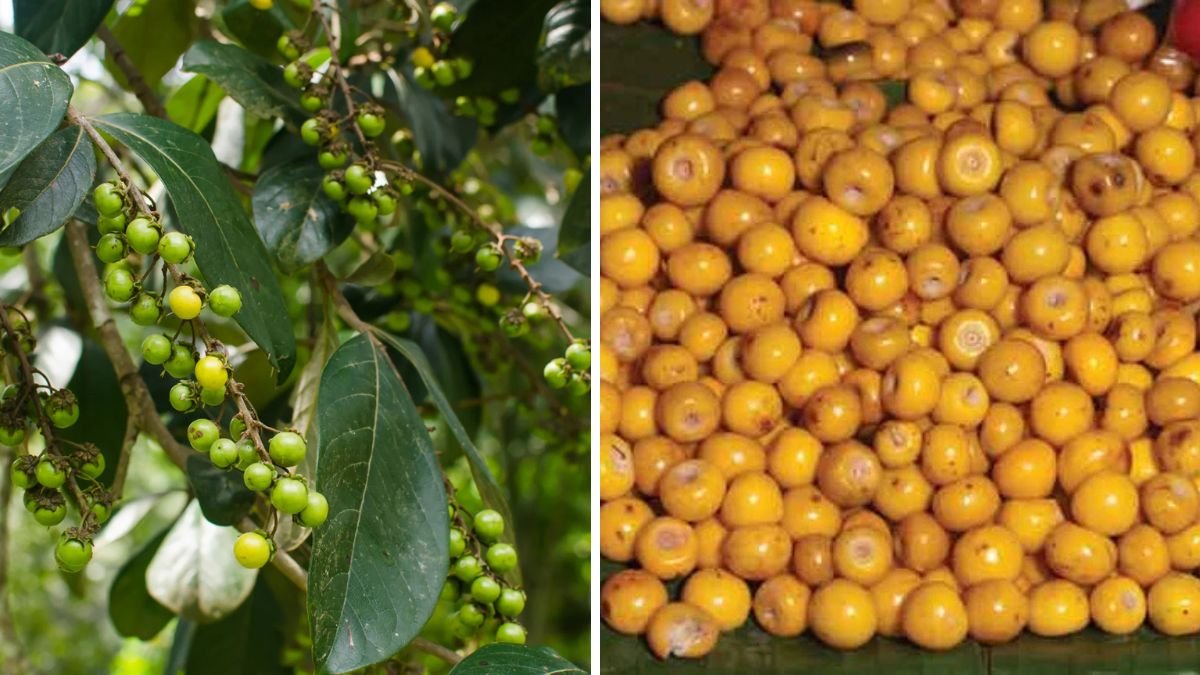
Nance, also known as Byrsonima crassifolia, is a small yellow fruit native to Central America. It is widely consumed for its sweet and tangy flavor. Traditionally, Nance is used in beverages, jams, and desserts. The fruit grows on medium-sized trees that thrive in tropical climates. Home gardeners are increasingly interested in growing Nance. Its adaptability makes it a favorite in Central American backyards. Proper cultivation ensures abundant yields. This guide covers all essential steps.
2. Botanical Background
Nance belongs to the Malpighiaceae family. It grows as a hardy tree, reaching medium height. Leaves are leathery and evergreen. Small white flowers bloom seasonally. Fruits develop in clusters. The tree has a strong root system. Understanding its botany helps in care. Growth patterns influence management practices.
3. Climate Requirements
Nance thrives in tropical and subtropical climates. It tolerates both dry and wet conditions. Optimal growth occurs with moderate rainfall. Temperatures below ten degrees Celsius may damage the plant. Strong winds can break branches. Humidity improves fruit quality. Mountain slopes provide natural protection. Climate matching is essential for success.
4. Soil Preferences
Nance trees prefer well-draining sandy loam soils. Soil rich in organic matter ensures vigorous growth. Slightly acidic to neutral pH is ideal. Heavy clay can cause root rot. Raised planting beds improve drainage. Soil preparation must be done before planting. Fertility affects both growth and fruit flavor. Good soil is the foundation for a productive tree.
5. Selecting Planting Material
Healthy seedlings or grafted saplings are recommended. Select vigorous, disease-free material. Seed propagation is possible but slower. Local nurseries usually provide the best options. Choose trees adapted to your region. Planting material quality influences success. Early investment in good seedlings pays off. Selection is crucial for long-term yield.
6. Planting Techniques
Plant Nance trees during the rainy season. Dig holes twice the size of the root ball. Add compost to enhance fertility. Gently place the seedling and cover roots. Water immediately to reduce transplant shock. Space trees adequately to prevent overcrowding. Mulching preserves soil moisture. Proper planting sets the stage for healthy growth.
7. Sunlight Needs
Nance trees thrive in full sun. Young plants tolerate partial shade. Direct sunlight improves flowering and fruiting. Indoor or shaded cultivation may reduce yield. Sunlight balance is critical in hot regions. Proper orientation enhances growth. Light intensity influences flowering cycles. Sun exposure affects fruit sweetness.
8. Watering Practices
Consistent watering supports early growth. Established trees tolerate occasional drought. Overwatering can lead to root rot. Drip irrigation is ideal for young trees. Mulching helps retain moisture. Water deeply to encourage strong root development. Seasonal adjustments are needed based on rainfall. Balanced watering improves fruit quality.
9. Fertilization Schedule
Nance trees benefit from balanced nutrition. Organic compost provides slow-release nutrients. Nitrogen supports leaf growth. Phosphorus and potassium encourage flowering and fruiting. Apply fertilizer during active growth seasons. Avoid over-fertilization to prevent leaf burn. Consistent feeding improves yield. Fertility management ensures robust plants.
10. Pruning and Shaping
Light pruning improves tree structure. Remove dead or overcrowded branches. Pruning increases sunlight penetration. Supports healthy air circulation. Shape trees for ease of harvesting. Avoid excessive pruning that slows growth. Regular inspection ensures branch health. Proper pruning improves yield and fruit size.
11. Flowering Stage
Nance flowers are small and white. Flowering occurs seasonally, typically during warm months. Healthy trees bloom profusely. Flowering is influenced by sunlight and nutrition. Pollination is essential for fruit formation. Timing affects harvest quality. Flower health is a good indicator of tree vigor. Observing blooms predicts yield.
12. Pollination
Nance is mainly insect-pollinated. Bees and other pollinators increase fruit set. Hand pollination may improve yield in small orchards. Poor pollination leads to sparse fruits. Flower health and timing are critical. Avoid pesticide sprays during flowering. Successful pollination ensures full harvest. Monitoring insect activity is recommended.
13. Fruit Development
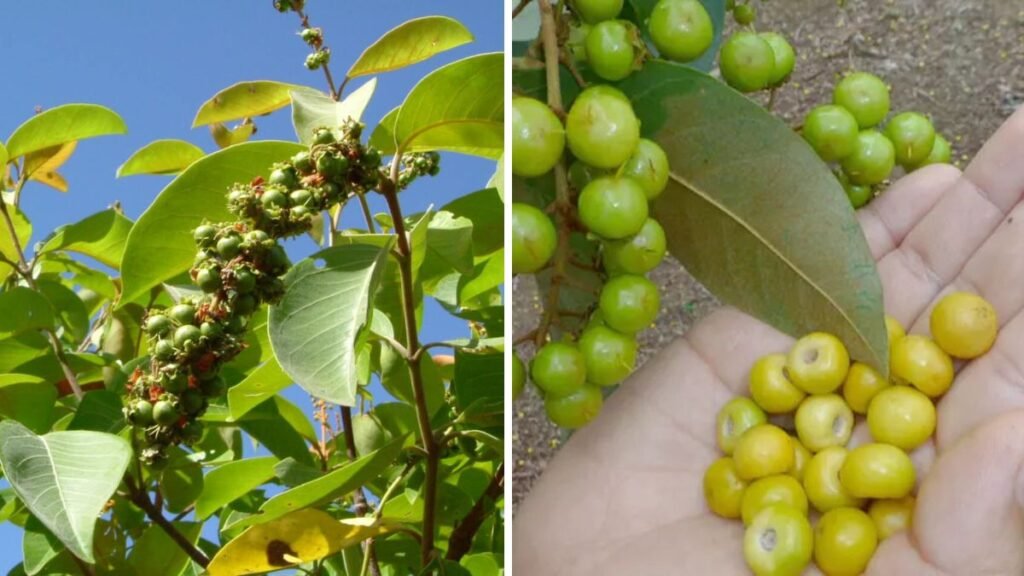
Fruits start green and gradually turn yellow. Development takes several months. Nutrient supply affects size and sweetness. Water stress can cause fruit drop. Fruits grow in clusters along branches. Patience is required as maturation is gradual. Proper care ensures high-quality fruits. Timing of fruit development is key.
14. Pest and Disease Control
Nance trees are relatively pest-resistant. Aphids, mites, and fruit flies may appear. Organic control methods like neem oil are preferred. Fungal diseases occur in wet conditions. Regular inspection prevents infestations. Healthy trees tolerate minor pests. Preventive care reduces crop loss. Monitoring is essential throughout the growing season.
15. Harvesting Techniques
Fruits are ready when fully yellow. Harvest carefully by hand to avoid bruising. Early picking reduces sweetness. Use pruning shears to detach clusters. Harvest in dry weather if possible. Proper handling prevents damage. Harvesting frequency affects yield. Timing ensures the best flavor.
16. Post-Harvest Handling
Wash fruits gently to remove debris. Store in cool, ventilated spaces. Fresh consumption is recommended. Fruits can be processed into jams, juices, and desserts. Avoid prolonged storage to maintain quality. Proper handling enhances shelf life. Packaging improves marketability. Post-harvest care adds value.
17. Expected Yield
A mature Nance tree can yield hundreds of fruits annually. Productivity depends on care and environmental conditions. Fertilization and irrigation improve quantity. Pest-free trees produce better quality. Tree spacing affects yield per area. Proper pruning maximizes fruit load. Long-term yield increases with experience. Patience ensures success.
18. Nutritional and Culinary Uses
Nance is rich in vitamins A and C. It provides dietary fiber and antioxidants. Traditionally used in beverages, candies, and preserves. The tangy-sweet flavor enhances desserts. Juice and fermented drinks are popular. Nutritional benefits appeal to health-conscious consumers. Culinary versatility increases demand. The fruit is highly marketable.
19. Economic Importance
Nance cultivation offers good income potential. Fruits have local and export demand. Value addition through processing increases profitability. Growing requires low maintenance compared to other tropical fruits. Sustainable practices attract buyers. Medicinal and culinary uses enhance marketability. Farmers benefit from consistent yield. Economic rewards justify investment.
20. Conclusion
Growing Nance fruit is both rewarding and sustainable. Understanding climate, soil, and care improves success. Consistent watering, feeding, and pruning maximize yield. Flowering and pollination stages determine fruit set. Proper harvesting and post-harvest handling maintain quality. Nutritional and economic benefits are significant. Nance trees are ideal for home gardens and commercial orchards. Patience and knowledge lead to successful cultivation.
📊 Table: Nance Fruit Growing Summary
| Aspect | Ideal Condition | Benefit |
|---|---|---|
| Climate | Tropical and subtropical | Healthy growth and fruiting |
| Soil | Well-draining sandy loam | Strong roots and high yield |
| Sunlight | Full sun | Maximum flowering and sweetness |
| Watering | Consistent, moderate | Prevents stress and fruit drop |