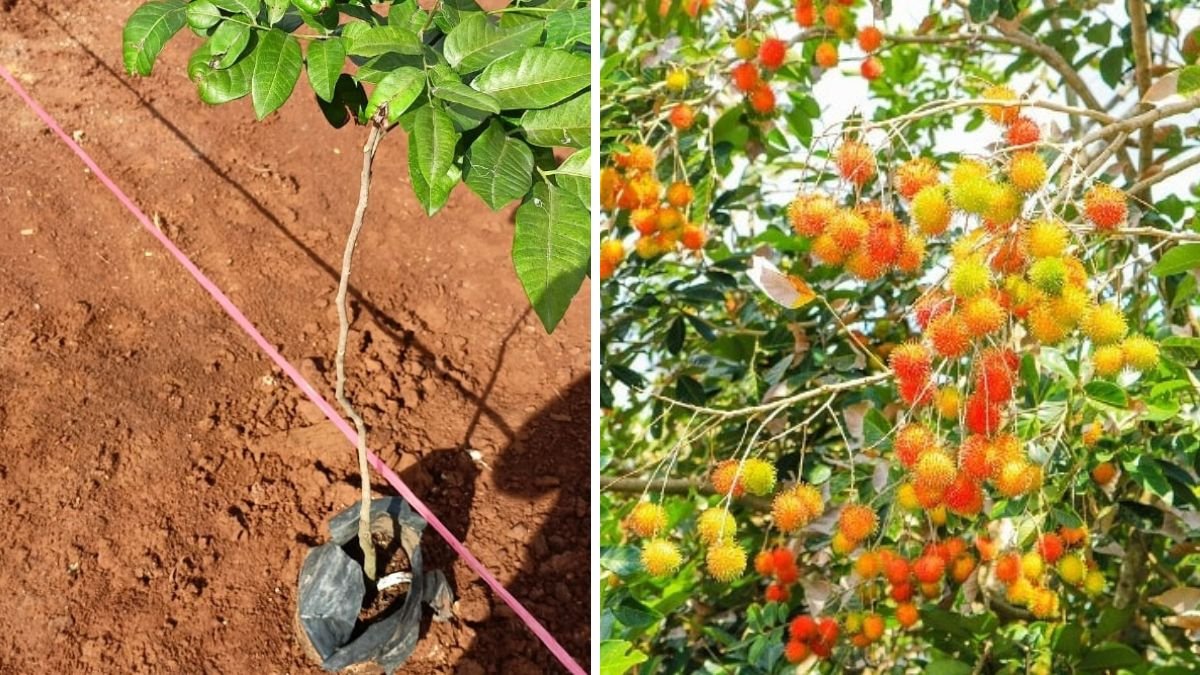
1. Introduction to Growing Rambutan in Cold Regions
Rambutan is a tropical fruit tree known for its hairy red fruits and sweet flesh. Traditionally, it grows in warm and humid climates, but modern techniques allow cultivation even in cold regions. Growing rambutan from seed in a cold climate requires planning and controlled conditions. Indoor growing, greenhouses, and containers make this possible. Home gardeners can enjoy exotic fruits with patience. Seed-grown rambutan trees take time but are rewarding. Understanding temperature, light, and humidity is essential. This guide explains the entire process step by step.
2. Understanding the Rambutan Tree
Rambutan belongs to the Sapindaceae family. It is closely related to lychee and longan. The tree is evergreen and grows with a dense canopy. Leaves are dark green and leathery. Flowers are small but fragrant. Fruits develop in clusters. Rambutan trees naturally prefer tropical warmth. Knowing the plant’s nature helps adapt it to cold climates. Botanical understanding improves success rates.
3. Challenges of Cold Climate Cultivation
Cold climates present the biggest challenge for rambutan growth. Low temperatures slow growth and may kill seedlings. Frost is extremely harmful to young plants. Short daylight hours affect photosynthesis. Dry indoor air reduces humidity. These challenges can be overcome with containers and indoor care. Artificial lighting and temperature control are essential. Understanding these limitations helps gardeners plan effectively.
4. Selecting Fresh Rambutan Seeds
Always use fresh seeds from ripe rambutan fruits. Seeds lose viability quickly if dried. Remove all fruit flesh before planting. Choose seeds that are plump and undamaged. Avoid cracked or shriveled seeds. Fresh seeds germinate faster and stronger. Clean seeds prevent fungal problems. Seed quality directly affects germination success.
5. Preparing Seeds for Planting
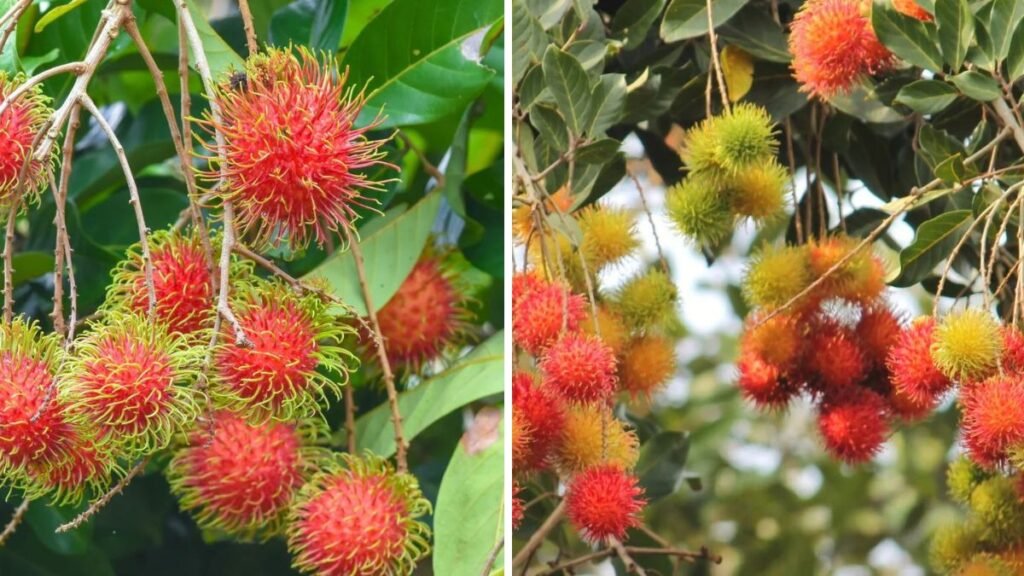
Wash seeds thoroughly with clean water. Do not dry them completely. Some gardeners soak seeds for a few hours to boost germination. Avoid long soaking, which can cause rot. Prepare pots and soil before planting. Fresh preparation improves success. Handle seeds gently to avoid damage. Proper preparation ensures faster sprouting.
6. Best Soil Mix for Cold Climate Growing
Rambutan requires well-draining yet moisture-retentive soil. A mix of garden soil, cocopeat, compost, and sand works well. Soil must be loose and airy. Heavy soil causes root rot. Slightly acidic soil supports nutrient absorption. Indoor soil must remain clean and pest-free. Proper soil mix is the foundation of healthy growth.
7. Container Selection for Rambutan
Choose deep containers with good drainage. Plastic pots, grow bags, or ceramic containers are suitable. Containers allow easy movement indoors during winter. Large pots support root development. Avoid shallow pots. Containers also help control soil temperature. Proper container size reduces transplant stress. Good drainage is essential for survival.
8. Planting Rambutan Seeds
Plant the seed horizontally or slightly tilted. Cover lightly with soil. Do not bury too deep. Water gently after planting. Place the pot in a warm location. Avoid direct sunlight initially. Keep soil consistently moist. Correct planting technique ensures uniform sprouting.
9. Germination Time and Expectations
Rambutan seeds usually sprout within ten to twenty-five days. Cold conditions may delay germination. Warm indoor temperatures speed up sprouting. Maintain consistent moisture. Avoid overwatering. Once sprouted, seedlings grow slowly. Early growth focuses on root development. Patience is critical during this stage.
10. Temperature Management Indoors
Maintain temperatures between twenty-two and thirty degrees Celsius. Avoid placing plants near cold windows. Heating mats can help during winter. Sudden temperature drops stress seedlings. Stable warmth promotes healthy growth. Indoor temperature control replaces tropical conditions. Temperature consistency is essential for survival.
11. Light Requirements in Cold Regions
Rambutan seedlings need bright indirect light. South-facing windows are ideal. Grow lights help during short winter days. Insufficient light causes weak growth. Gradually introduce direct sunlight. Balanced light improves leaf development. Artificial lighting ensures year-round growth. Light management is crucial indoors.
12. Watering Practices
Keep soil moist but not soggy. Indoor plants require careful watering. Overwatering leads to root rot. Use room-temperature water. Reduce watering in winter. Increase during active growth. Mulching helps retain moisture. Balanced watering keeps seedlings healthy.
13. Humidity Control
Rambutan loves high humidity. Indoor air is often dry. Use humidifiers or mist leaves regularly. Grouping plants increases humidity. Pebble trays with water help. Low humidity causes leaf drop. Proper humidity improves growth and leaf health. Humidity control is essential in cold climates.
14. Fertilization Schedule
Feed seedlings lightly after two months. Use diluted organic liquid fertilizer. Avoid chemical overload. Nitrogen supports leaf growth. Balanced nutrition strengthens roots. Fertilize monthly during growth season. Reduce feeding in winter. Proper nutrition promotes steady development.
15. Pruning and Training
Light pruning helps shape young plants. Remove weak or damaged leaves. Avoid heavy pruning early. Training helps maintain compact growth indoors. Pruning improves airflow. Shaping prepares plants for future fruiting. Controlled growth suits container cultivation. Proper pruning improves plant health.
16. Pest Prevention Indoors
Indoor plants may attract mites or aphids. Inspect leaves regularly. Neem oil works well. Clean leaves to prevent infestation. Avoid overcrowding plants. Healthy plants resist pests. Early detection prevents spread. Pest control ensures uninterrupted growth.
17. Transitioning Outdoors in Summer
Move plants outdoors during warm months. Gradually acclimate to sunlight. Avoid sudden exposure. Outdoor air improves growth. Bring plants indoors before cold returns. Seasonal movement helps mimic tropical cycles. Proper timing prevents shock. Summer exposure strengthens plants.
18. Long-Term Growth Expectations
Rambutan trees grow slowly in cold climates. Fruiting may take many years. Grafted plants fruit faster than seed-grown. Patience is essential. Healthy care ensures longevity. Even without fruit, trees are ornamental. Long-term commitment brings success.
19. Benefits of Growing Rambutan at Home
Homegrown rambutan is chemical-free. Exotic gardening is rewarding. Indoor cultivation saves space. Learning tropical care skills is beneficial. Plants improve indoor air quality. Growing rare fruits is satisfying. It enhances gardening experience. Home cultivation connects gardeners to nature.
20. Conclusion
Growing rambutan from seed in cold climates is challenging but achievable. Controlled temperature, light, and humidity are key. Containers and indoor care make success possible. Patience and consistency ensure healthy growth. While fruiting takes time, the journey is rewarding. This guide equips gardeners with practical knowledge. With care, rambutan can thrive beyond the tropics. Exotic fruit growing is now within reach.
📊 Rambutan Cold Climate Growing Summary
| Aspect | Requirement | Benefit |
|---|---|---|
| Temperature | Warm indoor conditions | Prevents cold damage |
| Light | Bright indirect or grow lights | Supports steady growth |
| Soil | Loose and well-draining | Prevents root rot |
| Humidity | High indoor humidity | Healthy leaf development |