Paragraph 1: Introduction to Lemon Tree Air Layering
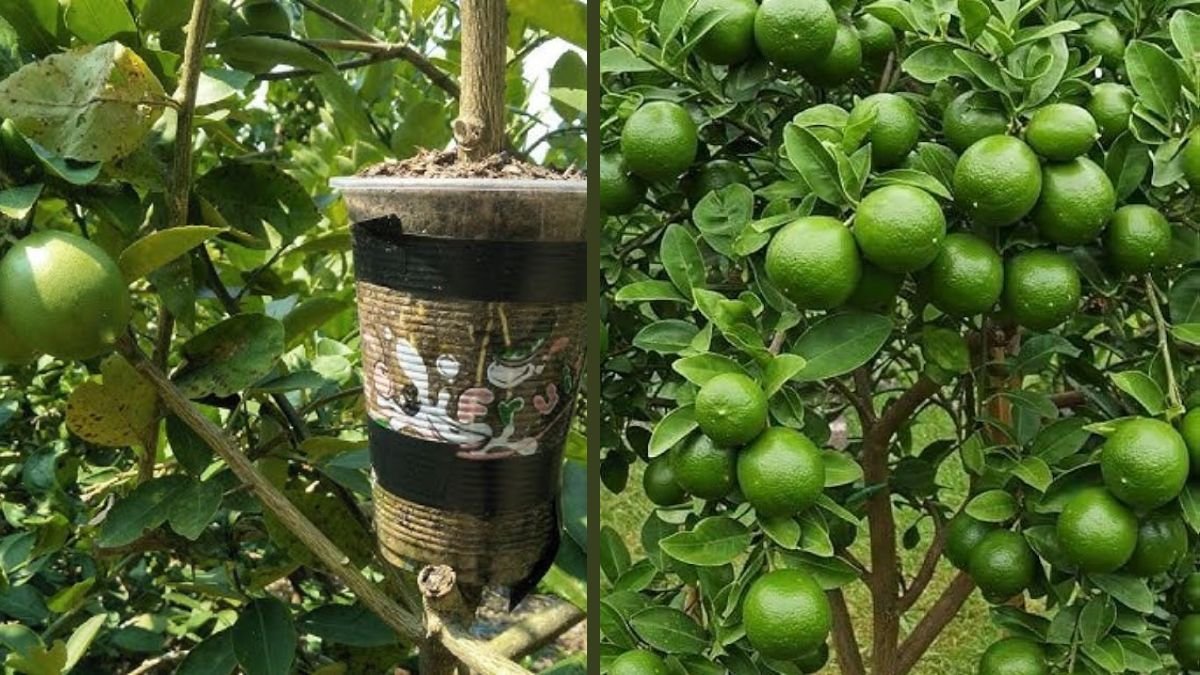
Lemon tree air layering is one of the most effective vegetative propagation methods used by gardeners and farmers to produce fruiting lemon plants quickly. Unlike seed-grown lemon trees, air-layered plants inherit the exact characteristics of the parent tree. This technique allows roots to develop on a branch while it is still attached to the mother plant. Lemon air layering is ideal for those who want early fruit production and uniform plant quality. It is widely used in home gardens as well as commercial nurseries. The method requires minimal equipment and basic plant knowledge. When done correctly, success rates are very high. Air layering saves both time and effort.
Paragraph 2: Why Air Layering is Best for Lemon Trees
Air layering is preferred for lemon trees because it ensures early fruiting compared to seed propagation. Seed-grown lemon trees may take five to seven years to bear fruit, while air-layered plants can fruit within two to three years. This method maintains fruit size, taste, and yield quality of the parent plant. It also reduces the risk of genetic variation. Lemon air layering produces strong, mature plants quickly. It is especially useful in tropical and subtropical regions. Home gardeners benefit from faster results. This technique offers reliability and consistency.
Paragraph 3: Best Season for Lemon Air Layering
The best season for lemon tree air layering is during spring and early monsoon when the plant is actively growing. Warm temperatures and high humidity promote faster root development. Avoid extreme summer heat and cold winter months as they slow down rooting. Early morning or late evening is ideal for performing air layering. Seasonal timing plays a crucial role in success. In tropical climates, air layering can be done almost year-round. Choosing the correct season ensures healthy root formation. Proper timing significantly improves success rates.
Paragraph 4: Selecting the Right Lemon Tree Branch
Choosing the right branch is essential for successful lemon air layering. Select a healthy, disease-free branch that is one to two years old. The branch should be pencil-thick and semi-hardwood in nature. Avoid very soft or very woody branches. The selected branch should receive good sunlight. A healthy branch ensures faster root growth. Branch vigor directly affects success. Proper selection reduces failure chances.
Paragraph 5: Tools and Materials Required
Lemon air layering requires simple tools such as a sharp knife, plastic sheet, coconut coir or moss, and thread. A clean blade ensures precise cuts and prevents infection. Coconut coir or sphagnum moss helps retain moisture. Transparent plastic allows monitoring root growth. Twine or thread secures the wrapping. Rooting hormone is optional but beneficial. All materials should be prepared before starting. Proper tools make the process smooth.
Paragraph 6: Preparing the Branch for Air Layering
Make two circular cuts around the branch approximately one inch apart. Remove the bark layer carefully between the cuts. This process is called girdling. Scrape the green cambium layer gently to prevent healing. This step forces the plant to produce roots. Apply rooting hormone if available. Proper girdling is crucial for success. Careful preparation ensures root initiation.
Paragraph 7: Applying Rooting Medium
After girdling, apply moist coconut coir or moss around the exposed area. The medium should be damp but not dripping. It provides moisture and oxygen for root growth. Wrap it evenly around the branch. Ensure complete coverage of the cut area. Good rooting medium encourages faster root development. Avoid dry or compact material. Moisture balance is essential.
Paragraph 8: Wrapping and Securing the Air Layer
Cover the moss with a transparent plastic sheet. Secure both ends tightly using thread or tape. Ensure no air gaps remain. Tight wrapping prevents moisture loss. Transparent plastic allows easy monitoring. Do not over-tighten as it may damage the branch. Proper sealing ensures consistent humidity. This step protects the developing roots.
Paragraph 9: Watering and Moisture Management
Moisture inside the air layer must be maintained throughout the rooting period. Check regularly to ensure the moss does not dry out. Add water using a syringe if needed. Avoid overwatering as excess moisture causes rot. Balanced moisture promotes healthy roots. Consistent care is required. Moisture management directly affects success.
Paragraph 10: Root Development Timeline
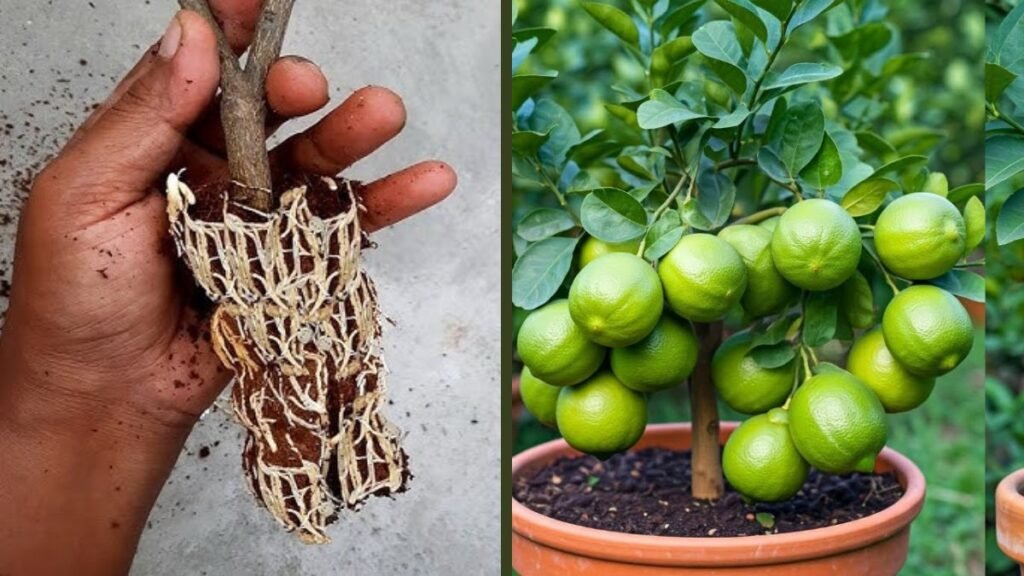
Roots usually begin to form within four to six weeks. White roots visible through plastic indicate success. Cooler temperatures may delay rooting. Do not disturb the layer during this period. Patience is essential. Root development speed depends on season and care. Healthy roots indicate readiness for separation.
Paragraph 11: Cutting and Separating the Air Layer
Once sufficient roots have developed, cut the branch below the rooted area. Use a sharp, clean tool. Perform separation during early morning or evening. Handle the roots gently. Avoid damaging the root ball. Proper separation ensures survival. This step marks the transition to a new plant.
Paragraph 12: Potting the Air-Layered Lemon Plant
Plant the air-layered lemon tree in a pot with well-draining soil. A mix of garden soil, sand, and compost works well. Place the plant carefully and firm the soil. Water lightly after planting. Keep the pot in shade for a few days. Proper potting supports root establishment. Gradual adjustment prevents stress.
Paragraph 13: Aftercare and Hardening Process
Newly potted lemon plants require shade and humidity. Avoid direct sunlight initially. Gradually introduce sunlight over one to two weeks. Water regularly but avoid waterlogging. Hardening strengthens the plant. Proper aftercare ensures survival. This stage is critical for success.
Paragraph 14: Fertilization of Air-Layered Lemon Trees
Start fertilizing after two to three weeks of potting. Use organic compost or diluted liquid fertilizer. Avoid heavy fertilizers initially. Balanced nutrition supports growth. Fertilization improves leaf and root development. Regular feeding enhances plant health. Nutrients help early establishment.
Paragraph 15: Common Problems and Solutions
Common problems include drying of moss, fungal infection, and poor rooting. Ensure moisture consistency. Use clean tools to prevent disease. Avoid extreme weather conditions. Monitor regularly. Early detection prevents failure. Proper management ensures success.
Paragraph 16: Advantages of Lemon Air Layering
Lemon air layering produces true-to-type plants. It ensures early fruiting. It requires minimal space and tools. Plants grow faster and stronger. This method is ideal for home gardeners. Success rates are high. Air layering saves time and effort.
Paragraph 17: Table – Lemon Air Layering Key Details
Table: Important Factors for Lemon Tree Air Layering
Factor | Recommended Practice
Best season | Spring and early monsoon
Branch age | One to two years
Rooting medium | Coconut coir or moss
Rooting time | Four to six weeks
First fruiting | Two to three years
Paragraph 18: Indoor vs Outdoor Air Layering
Outdoor air layering is more common. Indoor air layering offers controlled conditions. Outdoor layering needs protection from rain. Indoor requires sufficient light. Both methods work well. Choose based on environment. Flexibility makes air layering adaptable.
Paragraph 19: Commercial Importance of Lemon Air Layering
Commercial nurseries use air layering to produce uniform plants. It ensures high demand supply. Farmers benefit from early yields. Quality consistency improves profits. This method supports large-scale production. Commercial growers rely on this technique. Air layering boosts productivity.
Paragraph 20: Conclusion
Lemon tree air layering is a reliable and effective propagation method. It produces strong, fruiting plants quickly. With proper technique and care, success rates are high. This method is ideal for beginners and professionals. Lemon air layering ensures quality and consistency. Start air layering and enjoy faster harvests.