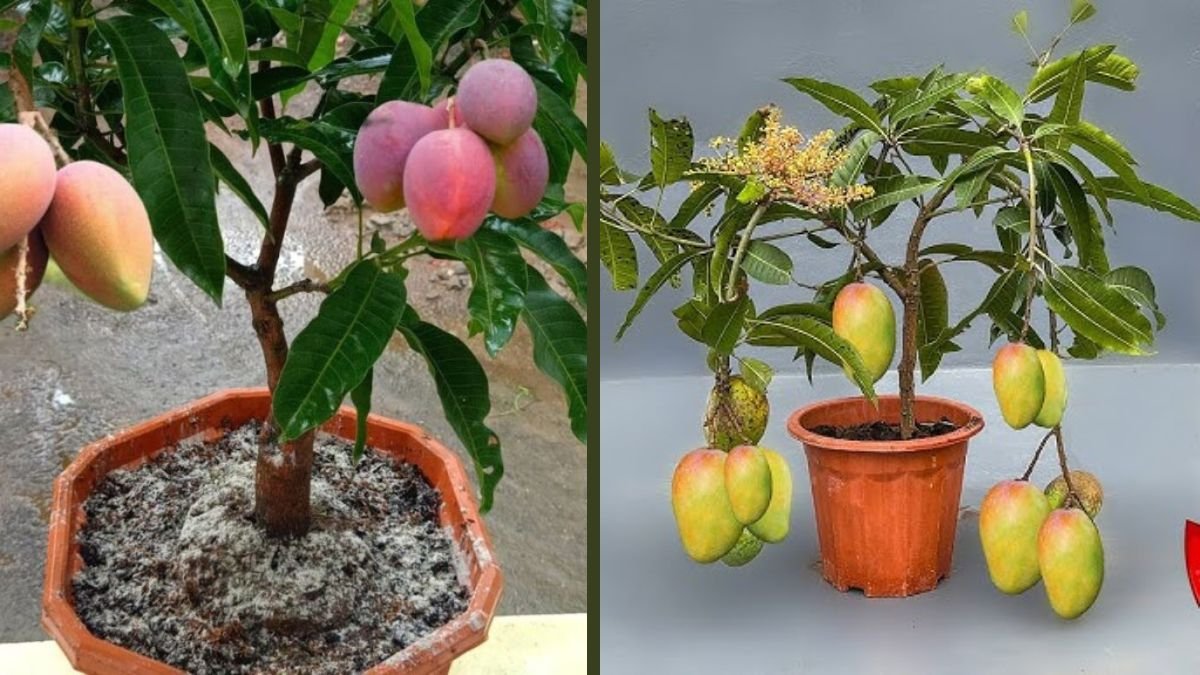
Introduction to Mango Cleft Grafting
Mango cleft grafting, also known as wedge grafting, is one of the most dependable propagation techniques used by professional nurseries and home gardeners. This method allows farmers to produce true-to-type mango plants with early fruiting and strong growth habits. It is especially useful in tropical and subtropical climates where mango cultivation is popular. By joining a healthy rootstock with a superior scion variety, growers can enjoy consistent yield and disease resistance. This technique is ideal for rejuvenating old mango trees or propagating elite varieties. Mango cleft grafting requires patience, precision, and proper aftercare. When done correctly, success rates are very high. This article explains every stage in detail for beginners and experts alike.
What Is Cleft or Wedge Grafting in Mango
Cleft grafting involves splitting the rootstock vertically and inserting a wedge-shaped scion into the split. The scion is carefully prepared to match the cambium layers of the rootstock. Proper alignment ensures successful union and nutrient flow. This technique is widely used because it is simple and effective. It works best when the rootstock is actively growing. Wedge grafting ensures faster healing and strong graft joints. The method is ideal for mango varieties like Alphonso, Dasheri, Totapuri, and Banganapalli. It is suitable for both nursery plants and field grafting.
Best Season for Mango Wedge Grafting
The ideal season for mango cleft grafting is spring and early monsoon. During this time, sap flow is active, which helps the graft heal faster. Temperatures between twenty-five to thirty-five degrees Celsius are perfect. Avoid grafting during extreme heat or cold. Humidity plays an important role in graft success. In India, February to July is considered the best window. Grafting during dormancy reduces success rates. Choosing the right season ensures quick callus formation. Proper timing reduces graft failure significantly.
Selection of Rootstock for Mango Grafting
Healthy rootstock selection is the foundation of successful grafting. Rootstocks should be six to twelve months old and pencil-thick. They must be disease-free and well-rooted. Local mango varieties are often preferred as rootstock due to adaptability. A strong root system ensures better nutrient uptake. Rootstock should be watered well before grafting. Weak or stressed plants should never be used. Proper rootstock selection improves survival rates. It also enhances tolerance to soil conditions.
Choosing the Right Scion Wood
Scion wood should be taken from a high-yielding, disease-free mango tree. The scion must be semi-hardwood with dormant buds. Avoid very young or very old branches. Ideal scion length is ten to fifteen centimeters. Scion should be collected early morning for freshness. Leaves should be trimmed, leaving petiole stubs. Scion wood must be used within twenty-four hours. Proper scion selection ensures varietal purity. This directly affects fruit quality and yield.
Tools Required for Cleft Grafting
Clean and sharp tools are essential for grafting success. A grafting knife or sharp blade is required for smooth cuts. Pruning shears help in preparing scion wood. Grafting tape or polythene strips are used for tying. Fungicide solution helps prevent infections. Clean cloths are useful for wiping tools. Sterilizing tools before use is important. Sharp tools minimize tissue damage. Good tools improve graft union quality.
Step-by-Step Mango Cleft Grafting Process
First, cut the rootstock at the desired height using a clean blade. Make a vertical split of about three to four centimeters. Prepare the scion by cutting its base into a wedge shape. Insert the scion carefully into the split ensuring cambium contact. Tie the graft firmly using grafting tape. Cover the graft with a polythene bag if needed. Place the plant in partial shade. Water lightly after grafting. This method ensures high success.
Importance of Cambium Layer Alignment
Cambium layer contact is the key to graft success. Cambium is the thin green layer beneath the bark. When aligned properly, it allows nutrient flow between scion and rootstock. Even partial contact can result in success. Poor alignment causes graft failure. Always match one side perfectly if diameters differ. Avoid disturbing the graft after tying. Cambium alignment ensures fast healing. It also leads to strong graft union.
Aftercare Management of Grafted Mango Plants
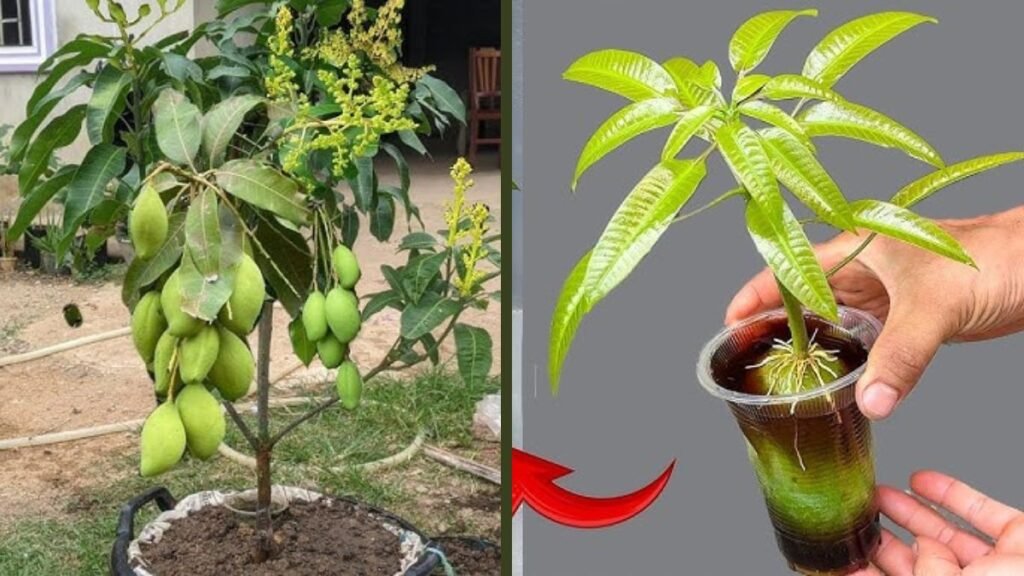
Aftercare is crucial during the first thirty days. Keep the grafted plant in shade. Avoid excess watering to prevent rot. Remove any shoots emerging from rootstock. Monitor graft union regularly. Once scion buds sprout, gradually expose to sunlight. Remove grafting tape after one month. Apply mild fungicide if needed. Proper aftercare increases survival rate.
Common Mistakes to Avoid in Mango Grafting
Using blunt tools is a common mistake. Grafting during unsuitable weather reduces success. Poor cambium alignment leads to failure. Overwatering can cause fungal infection. Using unhealthy scion wood affects growth. Tight tying can damage tissues. Loose tying reduces contact. Ignoring aftercare leads to losses. Avoid these mistakes for better results.
Advantages of Mango Cleft Grafting
This method ensures true-to-type plants. It promotes early fruiting. Trees grow uniformly and vigorously. Yield quality improves significantly. Disease resistance is enhanced. Farmers save time compared to seed propagation. Orchard management becomes easier. This method is cost-effective. It is widely trusted by professionals.
Mango Cleft Grafting Success Rate Table
| Aspect | Description |
|---|---|
| Success Percentage | Seventy to ninety percent |
| Time for Bud Sprout | Fifteen to twenty days |
| First Flowering | Two to three years |
| Ideal Temperature | Twenty-five to thirty-five degree Celsius |
| Skill Level | Beginner to intermediate |
Growth Timeline After Grafting
Initial sprouting occurs within three weeks. New leaves appear within one month. Structural growth strengthens within three months. Flowering may start in the second year. Fruiting begins by third year. Proper nutrition speeds growth. Pruning helps shape the plant. Growth rate depends on variety and care.
Nutrient Management for Grafted Mango
Balanced nutrition is essential after grafting. Organic compost improves soil health. Nitrogen supports vegetative growth. Phosphorus enhances root development. Potassium improves flowering and fruiting. Micronutrients prevent deficiencies. Avoid heavy fertilizer initially. Apply nutrients gradually. Healthy nutrition supports long-term productivity.
Pest and Disease Management
Grafted mango plants can attract pests like aphids and mealybugs. Regular inspection is necessary. Neem oil spray controls pests naturally. Fungal infections can occur in humid conditions. Proper spacing improves airflow. Avoid waterlogging. Use recommended fungicides if needed. Healthy plants resist diseases better.
Pruning Techniques for Grafted Mango
Pruning helps shape the young plant. Remove weak and crossing branches. Maintain single main stem initially. Prune after active growth period. Avoid heavy pruning in first year. Proper pruning improves sunlight penetration. It enhances fruiting later. Regular pruning maintains plant health.
Economic Benefits of Mango Grafting
Grafted mango plants fetch higher market value. Early fruiting increases profit. Uniform orchards are easier to manage. Export quality fruits can be produced. Farmers save space and time. This method supports commercial farming. It reduces uncertainty. Investment returns are faster.
Suitability for Home Gardeners
Mango cleft grafting is suitable for home gardeners. It requires minimal tools. Small spaces can accommodate grafted plants. Home growers can enjoy premium varieties. Maintenance is manageable. Learning grafting builds confidence. It is a rewarding experience. Backyard mango trees thrive well.
Environmental Benefits
Grafting reduces need for excessive chemical inputs. Strong plants require less pesticide. Efficient use of space conserves land. Improved yield reduces deforestation pressure. Healthy orchards support biodiversity. Sustainable practices benefit the ecosystem. Grafting supports eco-friendly farming. Long-lived trees store carbon.
Conclusion
Mango cleft or wedge grafting is a reliable and proven propagation technique. It ensures high success, early fruiting, and superior quality. With proper timing, tools, and aftercare, even beginners can master this method. This technique supports sustainable mango cultivation. Whether for home gardening or commercial orchards, wedge grafting delivers excellent results. Practice and patience are key. Start grafting and enjoy healthy mango harvests for years.