Paragraph 1: Introduction to Yellowing Cucumber Plants
Yellow leaves on cucumber plants worry gardeners. Many assume the plant is dying. In reality, yellowing is often reversible. Cucumber plants respond quickly to correction. Early identification saves harvest. Understanding causes helps recovery. This journey from stress to health is remarkable. Even weak plants can bounce back. Proper care restores productivity.
Paragraph 2: Why Cucumber Leaves Turn Yellow
Yellowing indicates stress. Nutrient imbalance is common. Overwatering suffocates roots. Poor drainage causes root rot. Lack of sunlight weakens leaves. Pest damage reduces chlorophyll. Identifying cause is crucial. Correct diagnosis leads to recovery.
Paragraph 3: Nutrient Deficiency Issues
Nitrogen deficiency causes pale leaves. Magnesium deficiency shows yellow veins. Iron deficiency affects new leaves. Poor soil nutrition triggers problems. Containers lose nutrients quickly. Balanced feeding restores color. Organic fertilizers work best. Nutrition correction is essential.
Paragraph 4: Watering Mistakes
Overwatering is a major cause. Roots need oxygen. Waterlogged soil blocks airflow. Underwatering also stresses plants. Irregular watering worsens yellowing. Morning watering is ideal. Soil moisture balance is key. Proper watering revives plants.
Paragraph 5: Soil Drainage Problems
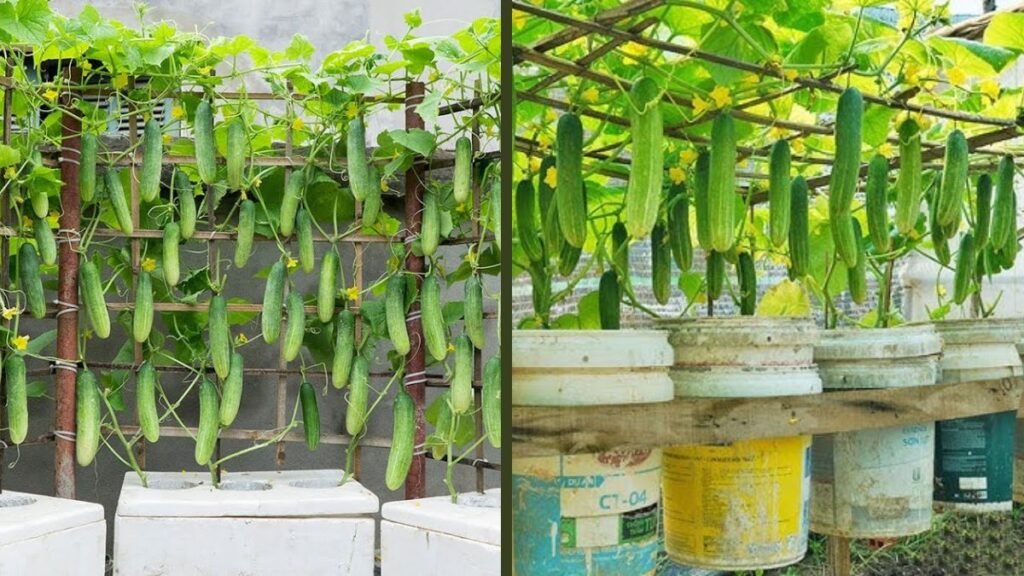
Poor drainage traps water. Roots begin rotting. Yellow leaves appear quickly. Heavy soil worsens issue. Raised beds improve drainage. Adding sand helps aeration. Compost improves structure. Drainage correction saves plants.
Paragraph 6: Sunlight Deficiency
Cucumbers love sunlight. Shade causes weak growth. Leaves turn yellow slowly. Insufficient photosynthesis reduces energy. Move plants to brighter areas. Six to eight hours is ideal. Sunlight restores green color. Light is essential.
Paragraph 7: Temperature Stress
Cold temperatures slow nutrient uptake. Heat stress causes leaf burn. Sudden temperature changes shock plants. Stable environment is best. Mulching regulates temperature. Protection improves recovery. Climate control matters. Stress reduction helps healing.
Paragraph 8: Pest Attacks
Aphids suck plant sap. Spider mites cause yellow spots. Whiteflies weaken leaves. Pest damage reduces photosynthesis. Inspect undersides regularly. Neem oil controls pests. Early action prevents spread. Pest management is crucial.
Paragraph 9: Disease-Related Yellowing
Fungal infections cause leaf discoloration. Bacterial wilt turns leaves yellow. Viral diseases spread rapidly. Remove infected leaves early. Improve airflow. Avoid wet foliage. Disease control saves remaining plant. Prevention is key.
Paragraph 10: Immediate Rescue Steps
Identify the cause first. Adjust watering schedule. Improve drainage quickly. Apply organic fertilizer lightly. Remove damaged leaves. Improve sunlight exposure. Reduce plant stress. Immediate action accelerates recovery.
Paragraph 11: Soil Improvement Techniques
Add compost to enrich soil. Improve aeration. Use organic mulch. Avoid compacting soil. Healthy soil supports roots. Microorganisms restore balance. Soil health equals plant health. Improvement shows results fast.
Paragraph 12: Fertilization for Recovery
Use balanced organic fertilizer. Avoid excess nitrogen. Liquid feeds absorb faster. Feed in small amounts. Regular feeding restores nutrients. Healthy leaves regain color. Overfeeding causes damage. Balance is important.
Paragraph 13: Pruning Yellow Leaves
Remove severely yellow leaves. Reduces plant stress. Redirects energy to healthy growth. Improves airflow. Prevents disease spread. Do not over-prune. Controlled pruning helps recovery. Clean tools are important.
Paragraph 14: Supporting New Growth
Healthy shoots appear after correction. Support vines gently. Improve trellis stability. New leaves grow greener. Maintain consistent care. Monitor progress daily. Recovery becomes visible. Support accelerates healing.
Paragraph 15: Flowering After Recovery
Recovered plants flower again. Healthy leaves support blooms. Pollination improves fruit set. Stress-free plants retain flowers. Balanced nutrition supports flowering. Flowers signal recovery success. Care during this stage matters. Yield improves steadily.
Paragraph 16: Fruit Development
Healthy plants produce uniform cucumbers. Proper watering improves fruit size. Avoid stress during fruiting. Harvest regularly. Continuous harvesting encourages new fruits. Recovery leads to good yield. Fruits taste better. Consistent care matters.
Paragraph 17: Table – Yellow Leaf Recovery Guide
Table: Saving Cucumber Plants from Yellow Leaves
Aspect | Recommended Practice
Watering | Balanced and consistent
Soil | Well-drained and fertile
Sunlight | Full sun exposure
Nutrition | Balanced organic feeding
Pest Control | Neem oil and monitoring
Pruning | Remove damaged leaves
Paragraph 18: Preventing Yellow Leaves
Maintain regular watering. Feed plants properly. Ensure good drainage. Provide adequate sunlight. Monitor pests weekly. Healthy soil prevents issues. Prevention saves effort. Consistency is key.
Paragraph 19: Common Mistakes to Avoid
Ignoring early signs worsens damage. Overcorrecting stresses plants. Excess fertilizer burns roots. Poor airflow increases disease. Skipping monitoring delays recovery. Learning mistakes improves skill. Observation ensures success. Patience is necessary.
Paragraph 20: Conclusion
Yellow leaves on cucumber plants are not the end. Understanding causes leads to recovery. Timely action saves harvest. Proper care restores health. Cucumber plants are resilient. This miraculous recovery is achievable. Even beginners can succeed. Healthy green plants return quickly.