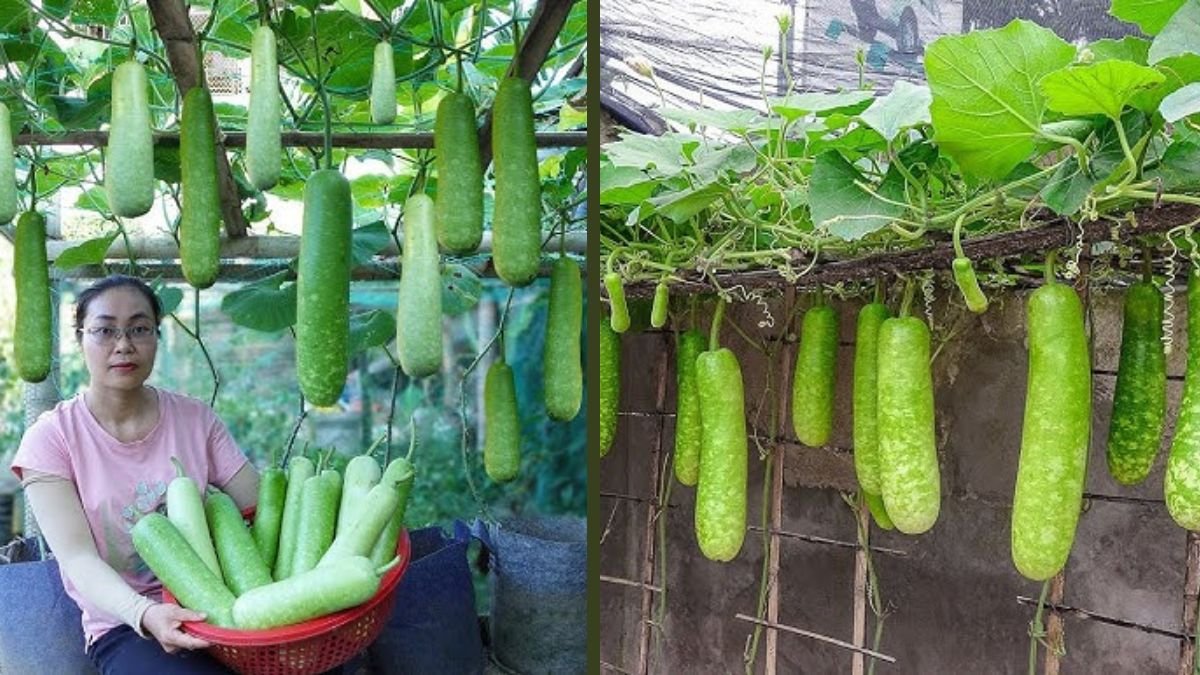
Introduction to Soil Bag Gourd Cultivation
Gourds such as bottle gourd, bitter gourd, ridge gourd, and snake gourd are highly productive vegetables when grown correctly. Many gardeners are surprised to see how dramatically yields increase when gourds are grown in soil bags instead of open ground. This modern method focuses on root control, soil quality, and better plant management. Soil bags create an ideal environment where roots grow freely without competition. They also reduce pest and disease issues significantly. This technique is suitable for home gardens, terraces, and balconies. With proper care, soil bag cultivation can produce up to four times more gourds per plant. Let us explore why this happens.
Why Traditional Ground Growing Limits Gourd Production
In traditional soil beds, gourd roots compete with weeds and nearby plants. Soil compaction reduces root expansion. Water often drains unevenly, causing stress. Soil-borne pests and diseases attack roots easily. Nutrients leach away quickly in open ground. These factors reduce flowering and fruit set. Even healthy vines may produce fewer fruits. Understanding these limitations explains why soil bags perform better.
How Soil Bags Create a Perfect Root Environment
Soil bags provide loose, aerated soil that encourages strong root development. Roots spread evenly inside the bag without obstruction. There is no competition from weeds. Moisture remains balanced for longer periods. Soil bags warm up faster, promoting root activity. Healthy roots absorb nutrients efficiently. Strong root systems support heavy fruit loads. This alone explains a major yield increase.
Choosing the Right Gourd Varieties for Soil Bags
Not all gourd varieties perform equally in containers. Compact and high-yielding varieties work best. Bottle gourd, ridge gourd, sponge gourd, and bitter gourd adapt well. Hybrid varieties often give higher yields. Disease-resistant seeds reduce maintenance. Choose varieties suited to your climate. Strong vines ensure better fruiting. Variety selection plays a crucial role in achieving four-times yield.
Ideal Soil Mix for Maximum Gourd Production
Soil bags require a rich but well-draining soil mix. A combination of garden soil, compost, and coco peat works best. Adding neem cake improves pest resistance. Organic matter increases microbial activity. Avoid heavy clay soil. Proper drainage prevents root rot. Healthy soil directly increases flowering and fruit size. Soil quality is the foundation of success.
Correct Soil Bag Size and Placement
Large soil bags allow deeper root growth. Small bags restrict roots and reduce yield. Place bags where vines can spread or climb vertically. Proper spacing improves airflow. Avoid overcrowding bags. Sunlight exposure must be consistent. Placement affects plant health significantly. Good positioning maximizes productivity.
Planting Technique That Boosts Growth
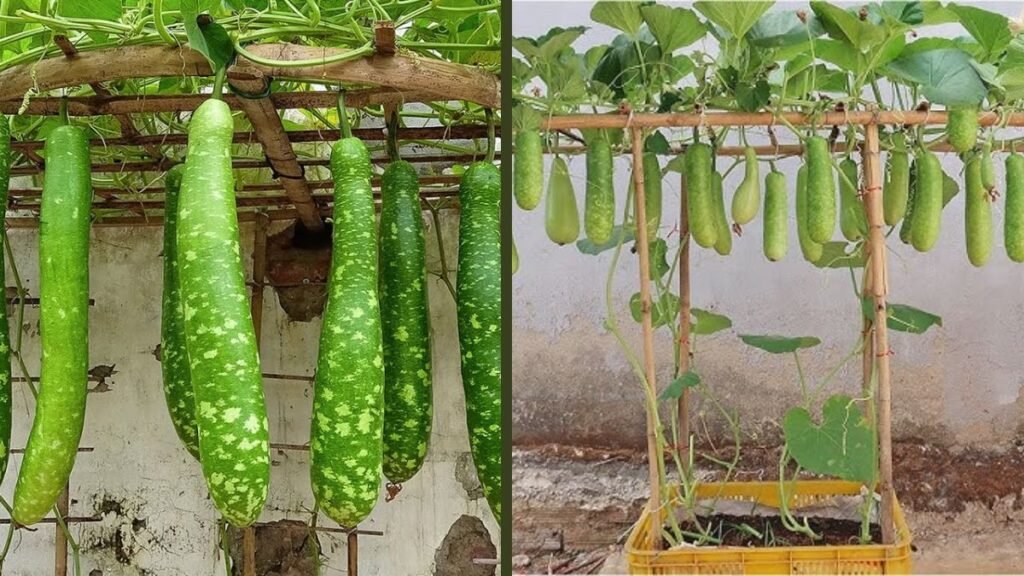
Seeds should be sown directly into soil bags. Transplant shock is avoided this way. Plant seeds at correct depth. Maintain soil moisture until germination. Thin seedlings to retain the strongest plant. Early growth determines final yield. Strong starts lead to productive vines. Planting technique matters greatly.
Watering Control in Soil Bags
Soil bags allow precise watering control. Overwatering is easier to avoid. Water drains evenly through drainage holes. Moisture remains consistent. Plants experience less stress. Proper hydration improves flowering. Controlled watering reduces disease risk. Balanced watering increases fruit set.
Vertical Training for Higher Yield
Training gourd vines vertically increases exposure to sunlight. Vertical growth improves airflow. Fruits grow cleaner and healthier. Space is saved efficiently. Supporting vines reduces stem damage. Vertical systems encourage continuous flowering. More nodes produce more fruits. Training directly boosts yield.
Pruning Technique for More Flowers
Selective pruning redirects plant energy. Removing excess side shoots improves airflow. Strong branches produce more female flowers. Pruning reduces disease pressure. Energy focuses on fruiting. Controlled vine growth increases yield. This technique is especially effective in soil bags. Pruning multiplies productivity.
Organic Feeding Schedule for Heavy Fruiting
Gourds are heavy feeders. Soil bags require regular nutrition. Compost tea and liquid organic fertilizers work best. Feeding every two weeks improves results. Avoid excess nitrogen. Potassium supports fruit formation. Balanced feeding ensures continuous harvest. Nutrition is key to higher yield.
Pollination Advantage in Soil Bag Growing
Soil bag plants are easier to monitor. Hand pollination is simple if needed. Flowers are more accessible. Healthy plants attract pollinators. Better pollination increases fruit set. Fewer flowers drop. Controlled environment improves success. Pollination efficiency contributes to higher yield.
Gourd Growth Comparison Table
| Growing Method | Root Health | Yield Level |
|---|---|---|
| Open Ground | Restricted | Moderate |
| Raised Beds | Improved | Good |
| Soil Bags | Excellent | Very High |
Pest and Disease Reduction in Soil Bags
Soil bags isolate plants from contaminated ground soil. Soil-borne pests are reduced. Neem-based treatments work effectively. Air circulation discourages fungal diseases. Clean soil minimizes infection. Healthy plants resist pests naturally. Fewer losses mean higher yield. Disease control is easier.
Harvesting Benefits of Soil Bag Growing
Fruits are cleaner and easier to harvest. Vines remain organized. Regular harvesting stimulates more fruiting. Fruits grow uniform in size. Damage is minimized. Harvesting becomes comfortable. Yield remains consistent throughout the season. Convenience improves productivity.
Why Soil Bags Produce Four Times More Gourds
Root freedom, nutrient control, and stress reduction work together. Plants grow healthier and stronger. Flowering increases significantly. Fruit retention improves. Losses are minimized. Every vine reaches its full potential. This combination results in dramatic yield improvement. Soil bags unlock maximum productivity.
Common Mistakes to Avoid
Using small bags restricts roots. Poor drainage causes rot. Overcrowding reduces airflow. Irregular feeding limits yield. Ignoring support systems weakens vines. Avoid these mistakes. Correcting them improves results quickly. Awareness ensures success.
Environmental and Space Benefits
Soil bags save space. They are suitable for terraces. Water usage is efficient. Weeds are minimized. Soil can be reused. Urban gardening becomes possible. This method supports sustainability. Small spaces produce big harvests.
Why Home Gardeners Prefer Soil Bags
Maintenance is easier. Problems are visible early. Plants are manageable. Yield is impressive. Beginners succeed easily. Soil bags reduce uncertainty. Gardening becomes enjoyable. Confidence increases with success.
Final Conclusion
Growing gourds in soil bags is a proven method for dramatically higher yields. It eliminates many traditional growing problems. With proper care, productivity multiplies. This method suits all gardeners. Soil bags transform small spaces into high-yield gardens. Try it once and see the difference. Results will surprise you.