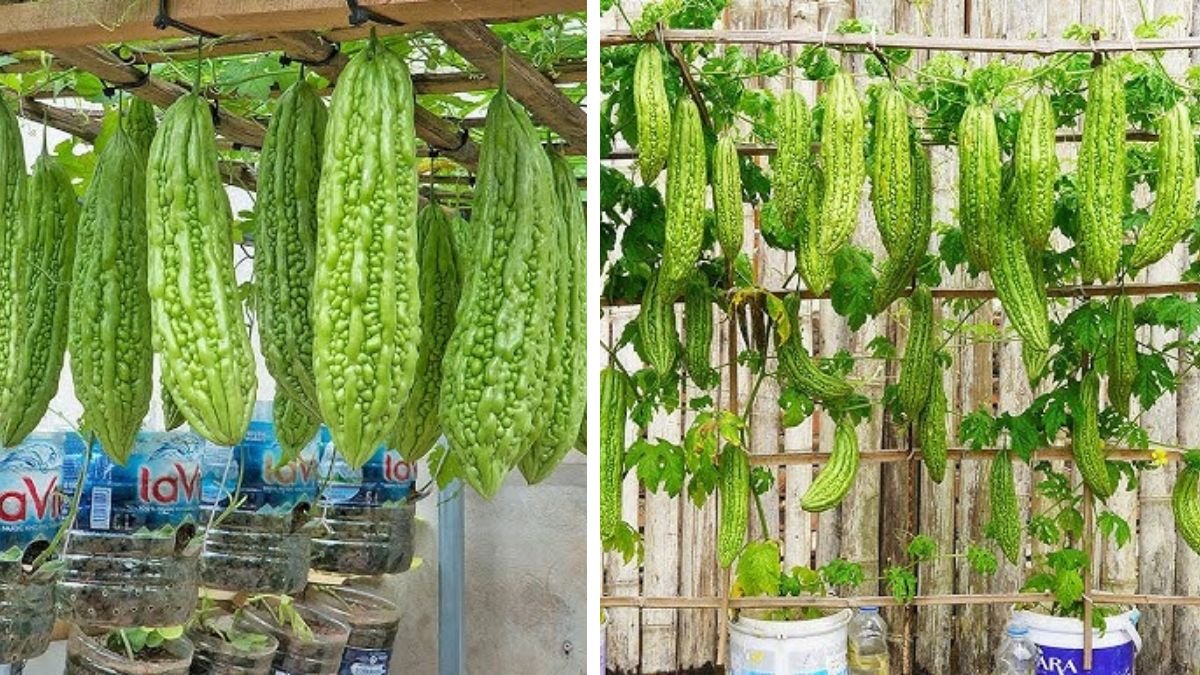
Introduction: Why Bitter Melon in Hydroponics Is Gaining Attention
Bitter melon is traditionally grown in soil, but hydroponics changes the game. Gardeners experimenting with water-based systems report faster growth and cleaner produce. Roots receive constant oxygen and nutrients. Soil-borne diseases are eliminated. Space usage becomes efficient. Growth becomes more controlled. This method suits urban homes and rooftops. Experimentation reveals impressive results.
Understanding Bitter Melon Growth Behavior
Bitter melon is a vigorous climbing vine. It requires strong root support. Rapid vegetative growth occurs early. Flowering follows quickly under proper conditions. Fruit formation depends on nutrition balance. Excess nitrogen delays fruiting. Controlled systems help manage growth. Understanding this behavior improves success.
Why Hydroponics Works Well for Bitter Melon
Hydroponics delivers nutrients directly to roots. Oxygen availability improves root health. Water stress is eliminated. Growth becomes faster and uniform. Pest pressure reduces significantly. Nutrient absorption efficiency increases. Plants respond quickly to adjustments. This control makes hydroponics ideal.
Choosing the Right Hydroponic System
Deep water culture works well. Nutrient film technique supports vines effectively. Buckets with net pots are simple. Systems must support heavy vines. Strong trellising is essential. Choose systems with good aeration. Simplicity works best for beginners. Proper setup ensures stability.
Seed Selection and Germination
High-quality seeds germinate faster. Soaking seeds improves sprouting. Warm temperatures accelerate germination. Rockwool or sponge supports seedlings. Healthy seedlings ensure strong vines. Weak starts affect yield. Proper germination sets the foundation. Patience at this stage pays off.
Nutrient Solution Management
Balanced nutrients are critical. Early stage needs nitrogen. Flowering needs phosphorus. Fruiting requires potassium. pH should remain stable. EC levels must be monitored. Overfeeding causes leaf burn. Regular monitoring ensures healthy growth. Precision improves results.
Light Requirements in Hydroponics
Bitter melon needs strong light. Outdoor hydroponics works best. Indoor systems require grow lights. At least ten hours daily is ideal. Light intensity affects flowering. Poor light reduces yield. Proper lighting supports vine strength. Light management is essential.
Training Vines in Hydroponic Systems
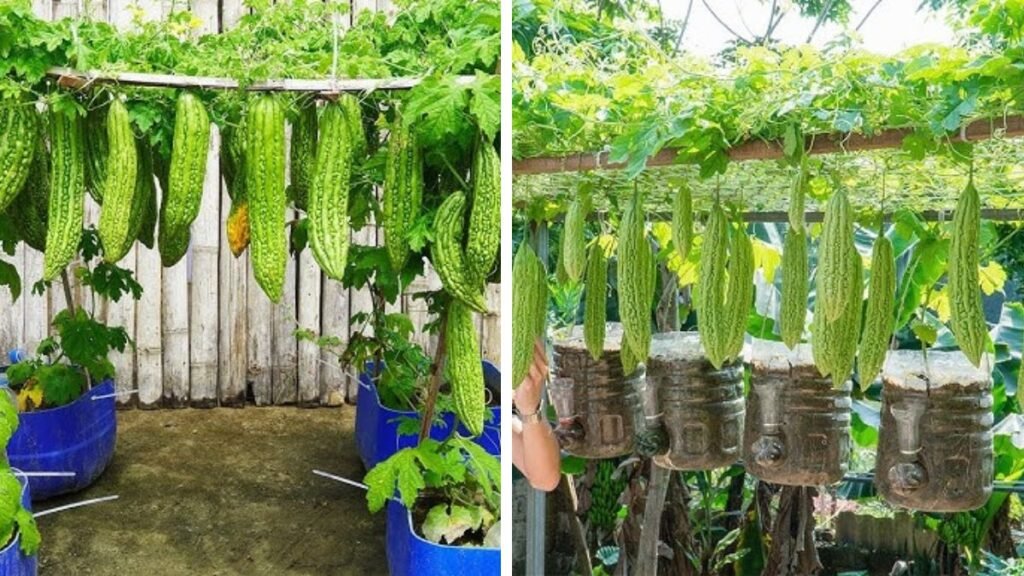
Vines grow aggressively. Strong trellising is mandatory. Vertical training saves space. Proper spacing improves airflow. Hanging fruits need support. Organized vines prevent damage. Training improves light exposure. This step increases yield significantly.
Pollination in Hydroponic Bitter Melon
Bitter melon requires pollination. Hand pollination ensures fruit set. Male and female flowers appear separately. Timing is important. Outdoor systems rely on insects. Indoor systems need manual help. Successful pollination increases fruit number. This step cannot be ignored.
Table: Hydroponic Bitter Melon Setup Guide
| Component | Requirement | Recommendation |
|---|---|---|
| System | Water based | Deep water culture |
| Nutrients | Balanced | Stage adjusted |
| Light | Strong | Natural or grow |
| Support | Trellis | Strong frame |
| Pollination | Assisted | Hand method |
Water Quality and Oxygenation
Clean water prevents root disease. Air pumps supply oxygen. Stagnant water harms roots. Regular water changes are necessary. Oxygen boosts nutrient uptake. Healthy roots grow white and strong. Proper aeration is critical. Water quality determines success.
Common Challenges and Solutions
Yellow leaves indicate imbalance. Poor flowering suggests low light. Root browning shows oxygen issues. Bitter taste increases with stress. Regular monitoring solves problems. Quick adjustments prevent losses. Hydroponics allows fast correction. Challenges are manageable.
Growth Speed Compared to Soil
Hydroponic plants grow faster initially. Vine length increases quickly. Flowering occurs earlier. Fruit size remains consistent. Soil plants grow slower but sturdier. Controlled conditions favor hydroponics. Speed advantage is noticeable. Yield quality improves.
Yield and Fruit Quality Observations
Fruits grow uniform in shape. Skin remains cleaner. Size is consistent. Harvest intervals shorten. Taste remains strong and traditional. Nutrient control improves bitterness balance. Quality meets market standards. Results exceed expectations.
Harvesting in Hydroponic Systems
Harvest fruits at medium maturity. Overgrown fruits become too bitter. Regular harvesting encourages new flowers. Use clean tools. Gentle handling prevents vine damage. Frequent harvest improves yield. Timing is important. Harvesting completes the cycle.
Cost and Resource Efficiency
Initial setup costs more. Long-term savings are significant. Water usage is efficient. Fertilizer waste is minimal. Yield per plant increases. Space usage improves. Cost balances out over time. Efficiency is a major advantage.
Suitability for Home Gardeners
Beginners can start small. Simple systems work well. Learning curve is manageable. Results motivate continued growing. Space requirements are flexible. Rooftops and balconies work. Home gardeners benefit greatly. This method is accessible.
Environmental Impact
Water usage reduces significantly. No soil degradation occurs. Chemical usage decreases. Controlled systems reduce runoff. Sustainable food production increases. Urban farming becomes viable. Environmental footprint is lower. Hydroponics supports sustainability.
Why This Experiment Is Worth Trying
It reveals plant potential. Growth becomes predictable. Yield improves noticeably. Clean produce is achieved. Learning experience is valuable. Results inspire innovation. This experiment proves effective. It changes traditional thinking.
Final Conclusion
Hydroponic bitter melon cultivation delivers impressive results. Growth becomes faster and cleaner. Yield remains consistent. Control improves plant health. Beginners can succeed with guidance. This method modernizes traditional crops. Experimentation leads to better farming. Hydroponics proves its value.