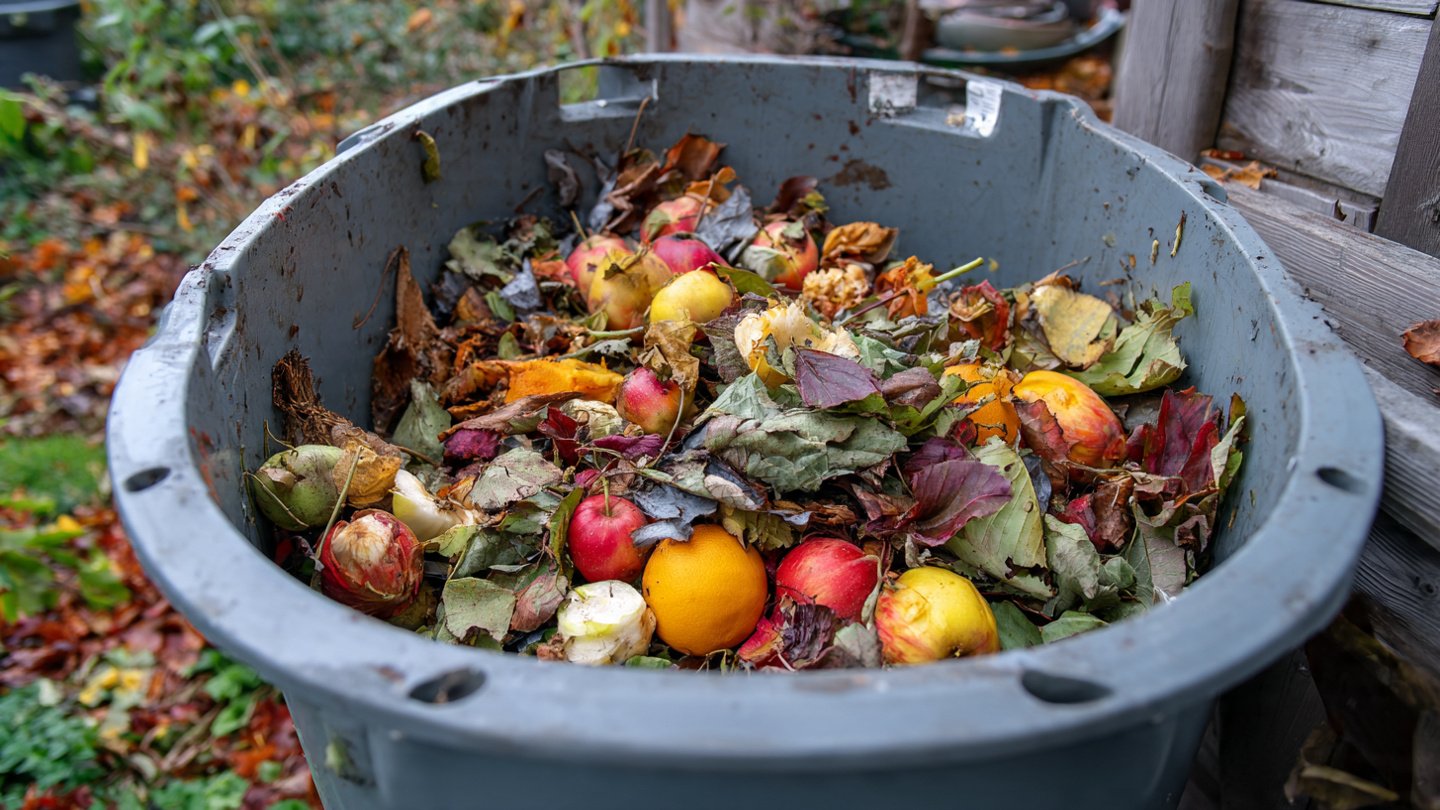
Composting is an eco-friendly way to recycle organic waste, reduce landfill content, and produce nutrient-rich soil amendments. However, not all composting systems are created equal. Compost bins made of plastic, while widely used for their durability and ease of handling, can present challenges, particularly concerning overheating. Understanding overheating in plastic compost bins is crucial for successful composting and maintaining a healthy environment for the organisms responsible for the decomposition process.
What is Composting?
At its core, composting is the biological decomposition of organic material facilitated by microorganisms, fungi, and larger organisms such as worms and insects. This process transforms kitchen scraps, yard waste, and other organic matter into compost, a dark, crumbly substance rich in nutrients. The primary ingredients required for efficient composting include carbon-rich materials (browns) like dried leaves and cardboard, nitrogen-rich materials (greens) like food scraps and grass clippings, oxygen, and moisture.
The Role of Temperature in Composting
Temperature plays a vital role in the composting process. Composting occurs in phases, beginning with a mesophilic stage where temperatures rise due to microbial activity. Typically, the internal temperature can reach between 110°F (43°C) and 150°F (65°C) during this initial phase, which is critical for breaking down pathogens and weed seeds. However, if temperatures continue to rise beyond 160°F (71°C), the compost can enter a stage of overheating.
Why Does Overheating Occur?
Overheating in compost bins, especially those made of plastic, can be attributed to several factors:
-
Insulation Properties of Plastic: Plastic retains heat, which is beneficial in cooler climates but can lead to excessive temperatures if adequate ventilation isn’t provided. Unlike traditional compost bins made of wood or metal, plastic bins are often sealed tightly, limiting airflow.
-
High Nitrogen Content: Excessive nitrogen-rich materials, such as fresh grass clippings or manure, contribute to increased microbial activity, generating heat. If the carbon to nitrogen ratio is not balanced, overheating can occur.
-
Moisture Levels: While moisture is necessary for microbial activity, overly moist compost can promote anaerobic conditions leading to foul odors and increased temperature. Proper moisture levels should be around 40-60%.
-
Lack of Aeration: Cow and other air-breathing organisms in the pile require oxygen. Insufficient aeration can hinder oxygen flow, causing anaerobic conditions and resulting in increased compost temperatures.
Symptoms of Overheating
Recognizing the signs of overheating is key to managing compost bins effectively. Symptoms include:
- Exceeding 160°F (71°C): While some composting occurs at high temperatures, consistently exceeding this can indicate overheating.
- Foul Odors: An unpleasant smell can indicate anaerobic conditions, often associated with overheating.
- Dry, Dusty Appearance: Compost may lose moisture content and appear dry or dusty if temperatures are excessively high.
- Killing of Beneficial Microorganisms: Prolonged exposure to high temperatures can kill off beneficial organisms essential for the composting process, slowing down decomposition.
The Implications of Overheating
Overheating not only affects the composting process but can also have negative impacts on the environment. Some implications include:
- Loss of Nutrients: High temperatures can lead to the loss of essential nutrients, such as nitrogen, from the compost.
- Decreased Microbial Activity: While some microorganisms thrive in heat, others may not survive temperatures above 160°F, disrupting the balance necessary for effective composting.
- Unpleasant Odors: Overheating often results in anaerobic conditions, contributing to foul odors that can attract pests and create neighborhood complaints.
- Pest Issues: Overheated piles can attract pests, ranging from rodents to flies, as they seek alternative food sources.
How to Manage Overheating
Managing the temperature of compost piles in plastic bins requires attention and care. Here are some effective strategies to combat overheating:
1. Monitor Temperature Regularly
Using a compost thermometer, monitor the internal temperature of the pile. It is important to check the temperature weekly and to adjust as needed.
2. Ensure Adequate Aeration
Aerate the compost regularly by turning it. This introduces oxygen, promoting aerobic conditions and reducing the overall temperature. In addition, consider placing perforations in the sides of the bin, allowing for better airflow.
3. Balance Carbon and Nitrogen
Striking the right balance between carbon-rich (brown) and nitrogen-rich (green) materials is crucial. A general guideline is to aim for a ratio of 30:1 carbon to nitrogen. This balance helps maintain optimal temperatures while maximizing microbial activity.
4. Manage Moisture Levels
Maintain the proper moisture content, which should feel like a damp sponge. If the compost is too wet, add dry brown materials like straw, cardboard, or shredded leaves. Conversely, if it’s too dry, add water and mix thoroughly.
5. Use Larger Bins or Tumblers with Better Design
If overheating is a consistent problem, consider upgrading to compost tumblers or bins that allow for better airflow. Many tumblers are designed with aeration in mind and can make turning the compost more manageable.
6. Add Foaming Agents
Adding crumpled paper or cardboard can help cool down the compost pile by promoting airflow. These materials can absorb excess moisture and create spaces within the compost that allow for heat dissipation.
Conclusion
Composting in plastic bins can be an effective and sustainable practice, but it’s essential to understand the potential pitfalls associated with overheating. By monitoring temperatures, ensuring adequate airflow, balancing materials, and managing moisture levels, composters can maintain a healthy environment for microbial activity, yielding high-quality compost.
Ultimately, the goal of composting is not just to reduce waste but also to enrich the soil and promote healthier ecosystems. Understanding the dynamics of your compost bin, particularly the challenges associated with temperature control, is fundamental to achieving that goal. With careful management and a little knowledge, those embarking on the composting journey can overcome the issues of overheating and harness the full potential of their organic waste.