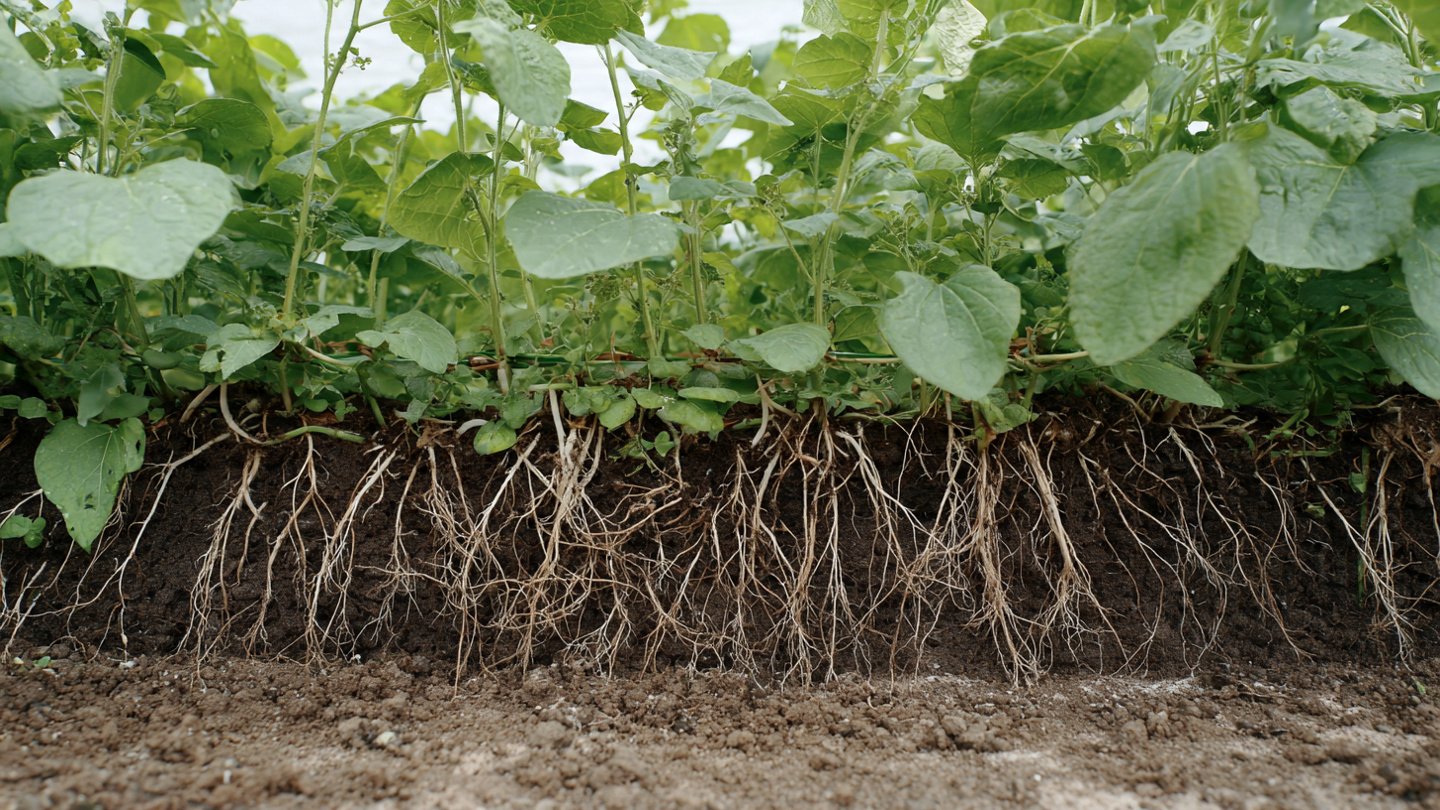
Water is fundamental to life, and for plants, it plays a critical role in their health and growth. Just as important as watering frequency is the depth at which water penetrates the soil. Optimal watering depth techniques are essential for fostering stronger root systems, promoting overall plant vitality, and enhancing resistance to drought and diseases. This article delves into the science of watering depth, exploring techniques that lead to stronger plant roots.
Understanding Plant Roots
Plant roots perform several essential functions: they anchor the plant, absorb water and nutrients, store energy, and serve as a medium for soil interaction. Strong, healthy root systems enhance a plant’s ability to withstand environmental stressors. Root depth varies among plant species, influenced by factors such as soil type, moisture levels, and overall health.
The Importance of Watering Depth
Water is vital for cellular functions, nutrient transport, and photosynthesis. However, not all water is equally beneficial.
-
Shallow Watering: When water only penetrates the topsoil, plants develop shallow root systems. These roots may be more susceptible to drought and less effective at nutrient absorption, leading to weaker plants.
-
Deep Watering: Watering at appropriate depths encourages plants to develop deeper root systems. As roots search for water, they grow downwards, leading to a more extensive network that stabilizes the plant and enhances nutrient uptake.
Factors Influencing Watering Depth
Several factors affect how deep water penetrates the soil:
1. Soil Type
Soil composition greatly influences water retention and penetration.
-
Clay Soils: Water moves slowly through clay, so frequent, shallow watering may be required to keep the top layer moist, but this can lead to shallow root development.
-
Sandy Soils: Sandy soils drain quickly, necessitating deeper watering to ensure moisture reaches lower root zones.
-
Loamy Soils: A combination of clay, sand, and silt, loamy soils tend to retain adequate moisture and provide a good balance for deep watering.
2. Plant Species
Different plants have varying root depths and water requirements. Deep-rooted species benefit from deeper watering, while shallow-rooted plants may require more frequent, lighter watering.
3. Climate and Weather
Hot, dry climates may necessitate deeper watering to ensure moisture penetrates the root zone before evaporation occurs. Conversely, during rainy seasons, deep watering may be less necessary.
4. Growth Stage of the Plant
Seedlings require consistent moisture in the upper soil layers, while mature plants benefit from deeper watering that encourages a robust root system.
Techniques for Optimal Watering Depth
Implementing effective watering techniques can significantly improve root health. Below are several strategies:
1. Deep Watering Method
Deep watering is based on the principle of applying more water less frequently. This method promotes deeper root growth.
Procedure:
- Use a soaker hose or a drip irrigation system to deliver water slowly to the root zone.
- Water until the soil reaches a depth of at least 12 to 18 inches, depending on the plant’s requirements.
- Allow the soil to dry slightly between watering sessions, encouraging roots to reach deeper for moisture.
2. Watering Frequency
Adjusting watering frequency can also enhance root growth.
Guidelines:
- During the early stages of growth, water lightly but frequently to encourage seedlings to establish in the top layer.
- As plants mature, gradually reduce frequency while increasing the amount of water applied to deepen root systems.
3. Timing
The timing of watering can affect moisture retention.
Best Practices:
- Water in the early morning or late afternoon to reduce evaporation rates.
- Avoid midday watering when temperatures are highest, as this can cause water to evaporate before it penetrates the soil.
4. Soil Moisture Monitoring
Regularly checking soil moisture can help determine when to water and how deep it penetrates.
Tools and Techniques:
- Use a moisture meter to check the water content at different soil depths.
- Conduct a simple test by inserting a finger or soil probe to assess soil moisture levels.
5. Incorporating Mulch
Mulching retains moisture and regulates soil temperature, reducing the frequency of watering.
Benefits:
- Organic mulches, like wood chips or straw, decompose over time, adding nutrients to the soil.
- Mulch prevents surface evaporation, enabling deeper moisture penetration.
6. Soil Amendments
Improving soil structure can enhance its ability to retain water at greater depths.
Suggestions:
- Incorporate organic matter, such as compost or well-rotted manure, to improve soil aeration and water retention.
- Utilize soil conditioners like peat moss or coconut coir, especially in sandy or clay soils, to enhance their moisture-holding capacity.
Observing Plant Responses
Monitoring plants’ responses to watering techniques can provide valuable insights for future practices.
-
Leaf Health: Yellowing leaves may indicate overwatering or poor drainage, while wilting leaves can signify underwatering.
-
Root Development: Pulling up a plant gently to inspect roots can reveal their health. Healthy roots should be white or tan and firm, indicating they are accessed deeper moisture.
-
Growth Rate: Noticeable growth spurts can signal optimal moisture levels and deep root development.
Special Considerations
1. Container Plants
For potted plants, the rules change slightly. Containers restrict root growth, requiring careful monitoring of moisture levels.
- Watering: Use a thorough soaking method, allowing excess water to drain out of the pot’s bottom.
- Depth: Ensure water reaches the entire potting mix, promoting healthy root development throughout.
2. Cold Weather
In colder climates, watering techniques must adapt to prevent soil from freezing.
- Timing: Water earlier in the day to allow for absorption before evening temperatures drop.
- Frequency: Decrease watering frequency during dormancy, as plants require less moisture in winter months.
Conclusion
Optimal watering depth techniques are crucial for cultivating strong, healthy plant roots. Understanding the complex interplay of factors like soil type, plant species, and watering methods can help gardeners and horticulturists promote root depth and stability. By employing techniques such as deep watering, adjusting watering frequency, and monitoring soil moisture, you can encourage robust root development in your plants.
Investing in healthier roots translates to more resilient plants that can better withstand environmental stresses, leading to thriving gardens and ecosystems. Whether you’re tending to a garden, a landscape, or agricultural crops, mastering the art of watering depth can unlock the true potential of your plants, yielding flourishing results for seasons to come.