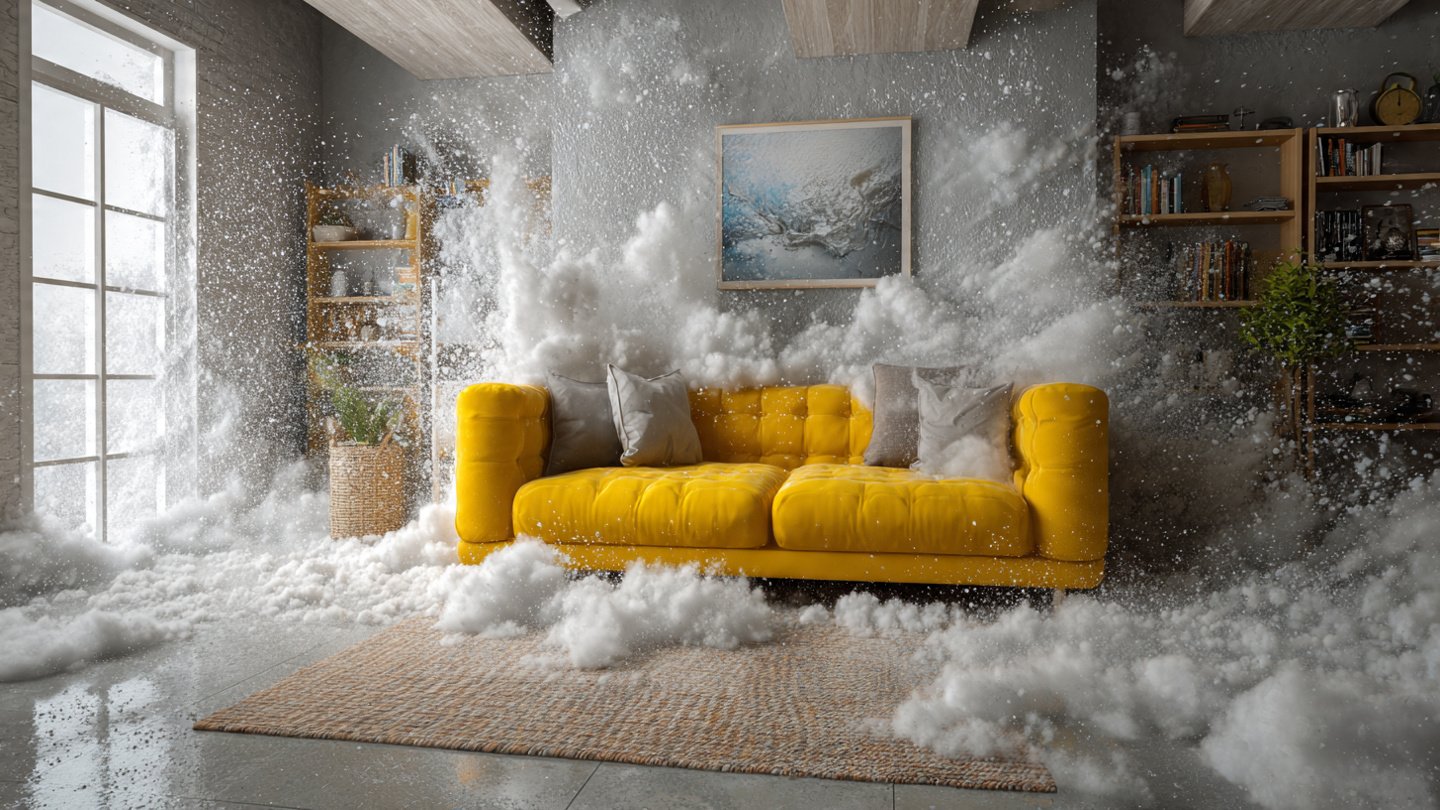
Indoor messes can seemingly spring up overnight, transforming a tidy space into a chaotic environment. Understanding the underlying factors that contribute to this rapid accumulation of clutter is essential in maintaining a clean and organized home. This article delves into the psychology behind clutter, common sources of indoor messes, and practical strategies for preventing and managing clutter.
1. The Psychology of Clutter
Our homes reflect our lives, including our habits and emotional states. Clutter often builds up as a result of:
- Emotional Attachment: Items often hold sentimental value, making it difficult to dispose of them.
- Decision Fatigue: The more decisions we face, whether on what to keep or how to organize, the more overwhelmed we become.
- Procrastination: Putting off tasks related to cleaning or organizing can lead to mess accumulation over time.
Understanding the emotional factors associated with clutter can empower individuals to tackle mess more effectively.
2. Common Sources of Indoor Messes
Various sources contribute to the buildup of clutter in our homes. Identifying these sources can help mitigate mess before it escalates:
2.1. High Traffic Zones
Areas in the home that see a lot of activity, such as entryways and living rooms, tend to accumulate items rapidly. Shoes, bags, and outdoor gear often end up scattered, making it seem as if mess appears instantly.
2.2. Paper Clutter
Everyday paperwork, from bills to children’s school assignments, can pile up quickly if not managed. The tendency to let paper accumulate stems from a blend of procrastination and the overwhelming feeling of needing to organize it all at once.
2.3. Kitchen Clutter
The kitchen is a hub of activity and is often the first place to show signs of mess. With cooking, grocery shopping, and general use, items such as utensils, containers, and food packaging can clutter counter spaces.
2.4. Overstuffed Closets and Storage Spaces
Over time, closets can become catch-all spaces for items that no longer have a designated place. When items are stuffed into closets or storage bins without organization, finding and returning items can turn into a chore, leading to additional clutter.
3. Factors Contributing to Clutter Accumulation
Understanding specific factors that contribute to clutter can help devise better strategies for maintaining a tidy environment:
3.1. Lifestyle Changes
Life changes such as moving, starting a new job, or having a baby can disrupt routines, leading to increased clutter. Adjusting to new responsibilities can result in a temporary lapse in organization.
3.2. Time Constraints
Modern life is fast-paced, and busy schedules can often take priority over tidiness. As a result, it’s easy for mess to pile up, especially when there isn’t dedicated time for cleaning.
3.3. Consumption Habits
With the rise of online shopping and consumer culture, households often accumulate items at a faster rate than they are discarded. This accumulation can lead to difficulties in letting go of items that are no longer used.
4. Strategies for Managing Indoor Messes
Implementing practical strategies can help prevent the rapid accumulation of mess:
4.1. Decluttering Regularly
Set aside time each week or month to declutter. This can help in identifying items that are no longer needed or used, making it easier to dispose of them in a timely manner.
4.2. Create Designated Spaces
Ensure that every item has a home. Creating designated spaces for frequently used items minimizes the likelihood of them being left out.
4.3. Establish a Cleaning Routine
Implementing a daily or weekly cleaning timetable can ensure that mess doesn’t accumulate unchecked. For example, a 10-minute daily clean can drastically improve overall tidiness.
4.4. Adopt Minimalism
Adopting a minimalist approach can encourage a “less is more” mentality. Focusing on quality over quantity can lead to a more organized environment and reduced clutter.
5. Conclusion
Indoor messes can accumulate rapidly due to a combination of emotional, lifestyle, and environmental factors. By understanding the psychology behind clutter and recognizing common sources, individuals can adopt effective strategies to manage and minimize mess. Keeping spaces organized not only enhances physical aesthetics but can also lead to improved mental well-being. Regular decluttering and establishing practical routines can transform a chaotic environment into a calm and serene space.
6. FAQs
6.1. What are some quick tips for preventing clutter?
Some quick tips include creating designated spaces for items, decluttering regularly, and establishing a cleaning routine. Additionally, setting limits on items you keep can help control accumulation.
6.2. How often should I declutter my home?
It’s recommended to declutter at least once a month. However, establishing a routine where you regularly check for items to discard or donate can help prevent buildup.
6.3. What should I do with items I no longer need?
Consider donating items in good condition, recycling papers and plastics, or discarding broken items. Always try to choose eco-friendly disposal methods when possible.
6.4. How can I keep my home organized with children?
Involve children in the tidying process. Implement a “one in, one out” rule for toys, and create designated storage spaces for their items. Teaching them organizational habits early can instill lifelong skills.
6.5. Can clutter affect mental health?
Yes, clutter can lead to feelings of overwhelm and anxiety. A tidy, organized space can promote a sense of calm and improve overall mental well-being.