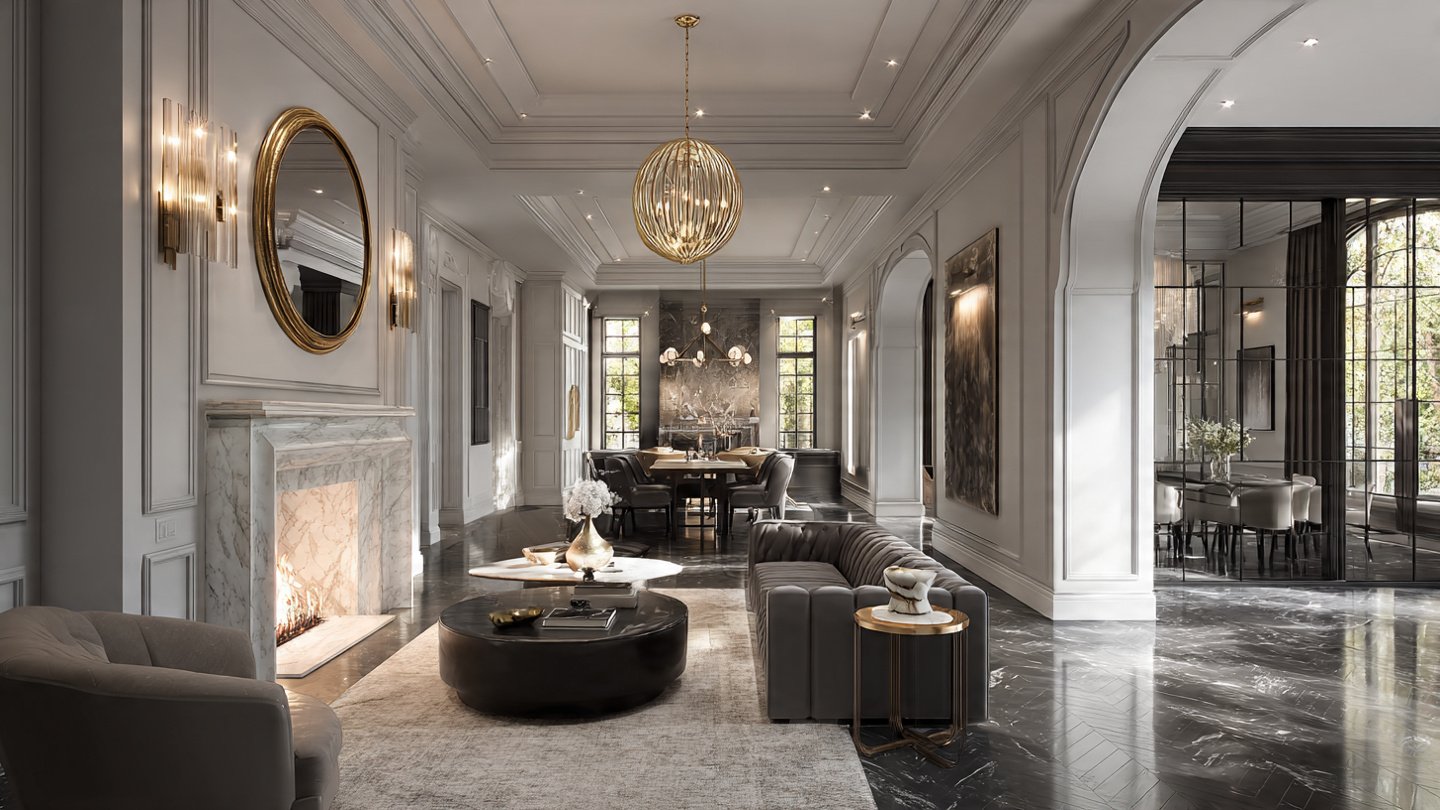
In the realm of home design, the principle of consistency is paramount in creating a cohesive and inviting space. The ability to achieve lasting elegance in home aesthetics often hinges on the consistent application of design elements across various rooms and features. Homeowners and designers alike can enhance the beauty and functionality of a space through careful coordination and thoughtful choices.
Understanding Consistency in Design
Consistency in design refers to the harmonious use of colors, materials, styles, and furnishings throughout a home. When a design scheme is consistent, each room, while unique, contributes to an overarching narrative that reflects the homeowner’s personality and lifestyle. This consistency can be expressed in various ways:
- Color Schemes: Using a limited palette of colors throughout the home establishes a sense of unity.
- Materials: Incorporating similar materials, such as wood, stone, or textiles, can tie different areas together.
- Styles: Whether modern, traditional, or eclectic, adhering to a specific style enhances the overall aesthetic.
- Furnishings: Selecting furniture that complements the chosen design language helps create flow and compatibility.
The Benefits of a Consistent Design Approach
A consistent design strategy not only enhances the visual appeal of a space but also fosters a sense of tranquility and comfort for residents and guests alike. Here are several notable benefits:
- Enhanced Aesthetic Appeal: Consistency often results in a polished and sophisticated look that can elevate the home’s overall aesthetic.
- Increased Property Value: Homes with cohesive design elements tend to appeal more to potential buyers, which can increase their resale value.
- Improved Functionality: A well-thought-out design that consistently reflects the homeowner’s lifestyle can optimize space and improve efficiency.
- Emotional Connection: Consistency in design can foster a sense of belonging and attachment within the space, making it feel like home.
Key Elements for Achieving Consistency
To effectively achieve a cohesive design that speaks to longevity and elegance, consider the following key elements:
1. Color Palette
Establishing a color palette is foundational to creating a consistent design. A harmonious mix of colors can be derived from various sources, including nature, artwork, or fabrics, and should carry through each room. Whether opting for warm neutral tones or bold accent colors, the key is to select shades that harmonize well with each other.
2. Material Selection
The use of similar materials throughout a home can create a seamless connection between spaces. For example, if hardwood flooring graces the living area, using the same or similar materials for the kitchen and dining spaces can enhance visual continuity. Considerations should also involve countertops, cabinets, and decorative elements.
3. Architectural Features
Incorporating consistent architectural elements, such as moldings, door frames, and window styles, can establish a unified feel throughout your home. These details play a crucial role in reinforcing the overall aesthetic and ensuring each room is in harmony with its surroundings.
4. Furnishings and Decor
Selecting furniture and decor that align with your overall design vision is essential for maintaining consistency. This involves choosing similar styles and colors for sofas, chairs, tables, and accessories, creating a cohesive look that speaks to the homeowner’s personal taste.
5. Lighting Design
Lighting is an often-overlooked aspect of interior consistency but is crucial for setting the mood in different spaces. Consistent lighting fixtures, including similar styles and finishes, can help tie rooms together, enhancing the overall ambiance.
Strategies for Balancing Consistency with Individuality
While consistency is vital for a cohesive look, it is also important to allow for individuality within your design. Here are strategies to balance the two:
1. Use Accent Colors
Integrate accent colors in small doses. For instance, if your primary palette is neutral, consider introducing a pop of color in the form of throw pillows or artwork to add personality without overpowering the scheme.
2. Personalized Decor
Incorporate artistic elements such as family photos, heirlooms, or travel keepsakes into your decor. These personalized touches allow for self-expression while maintaining harmony through complementary frames or display styles.
3. Flexibility in Spaces
Different areas of the home may serve varied functions. While maintaining a consistent design language, allow for unique iterations within specific rooms. For instance, a child’s room can embrace vibrant colors that resonate with their personality while remaining consistent with the overall color scheme through complementary elements.
Maintaining Consistency Over Time
As design trends evolve, homeowners may feel compelled to update their spaces. However, maintaining a consistent design language over time can enhance longevity and elegance. Here are strategies to help keep your home’s design timeless:
1. Invest in Quality
Opt for quality materials and furnishings that withstand the test of time. This not only ensures durability but also promotes a consistent aesthetic that won’t require frequent updates.
2. Regular Updates
While maintaining consistency is key, don’t hesitate to refresh certain aspects of your home over time. Changing out decor, pillows, or artwork can update the look without compromising the overall design.
3. Stay True to Your Vision
Commit to your initial design vision, revisiting it periodically to assess and ensure it still meets your needs and personal style. This will help maintain continuity and a sense of comfort in your home.
Conclusion
In conclusion, the power of consistency in home design cannot be overstated. Striking a balance between cohesive aesthetics and personal expression lays the foundation for a home that is not only beautiful but also functional and welcoming. By adhering to the principles of consistent color palettes, materials, and styles, homeowners can create spaces that evoke elegance and tranquility, standing the test of time.
FAQs
Why is consistency important in home design?
Consistency is important because it establishes a cohesive visual narrative throughout the home, enhances aesthetics, and fosters a sense of comfort and belonging.
How can I achieve consistency without making my home feel monotonous?
Incorporate accent colors, personal decorative elements, and allow for unique spaces while maintaining an overarching design theme to avoid monotony and encourage individuality.
What are some tips for maintaining consistency over time?
Invest in quality materials, refresh decor periodically while staying true to your original vision, and evaluate your space regularly to ensure it meets your evolving needs.
Can I mix different design styles in my home?
Yes, you can mix styles, but it’s essential to do so thoughtfully by ensuring a consistent color palette or material choice to maintain harmony in the overall design.