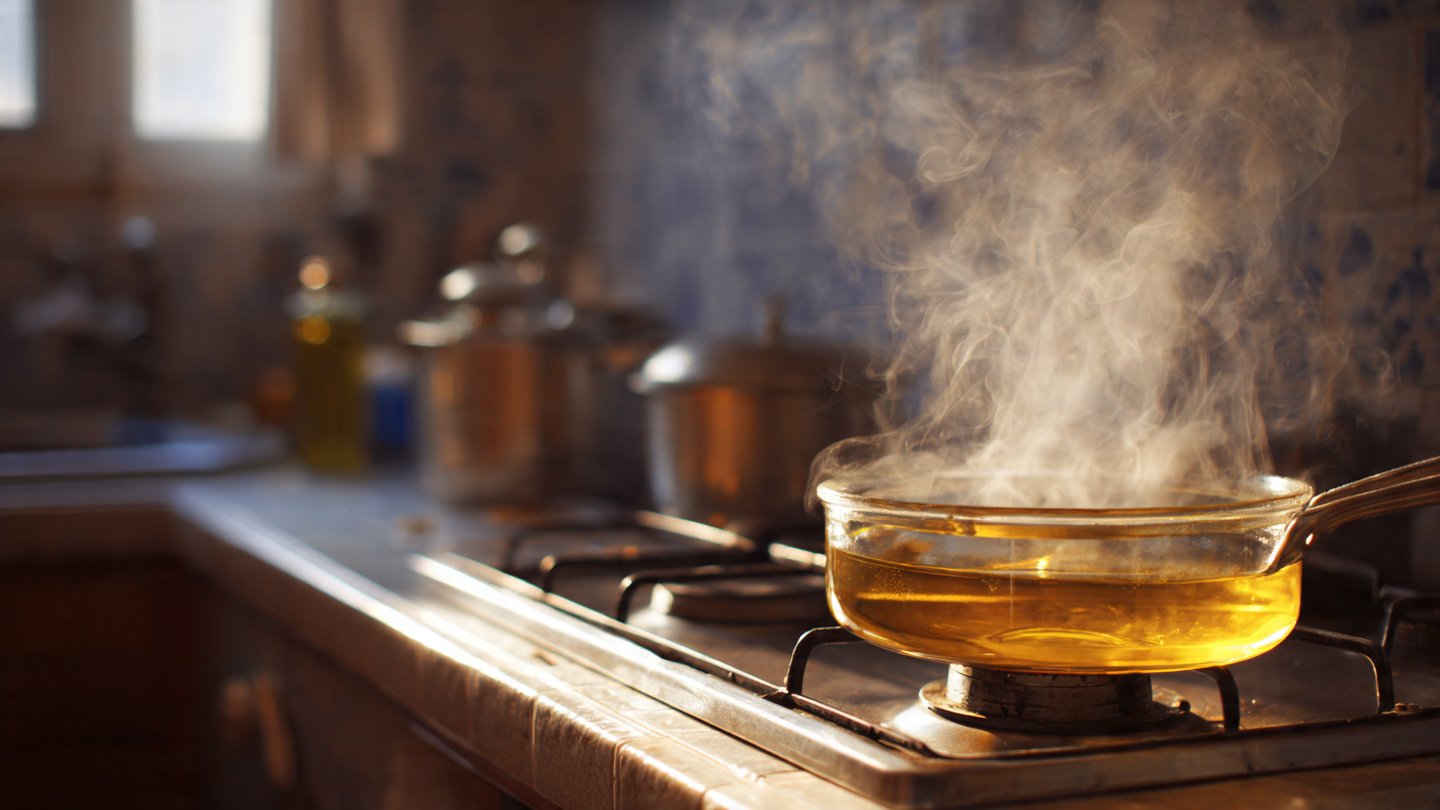
The aroma of cooking can evoke fond memories, yet sometimes, it can also be a source of discomfort—especially when the smells linger long after the meal is gone. Among all culinary scents, those from oils tend to be the most persistent. Ever wondered why the smell of frying or sautéing sticks around in your kitchen until morning? In this article, we’ll explore the science behind kitchen odors, particularly those from oils, and discuss effective ways to combat lingering smells.
Understanding Kitchen Odors
When we cook, particularly at high temperatures, various chemical reactions occur. These transformations produce volatile compounds that are easily released into the air, creating the distinct aromas associated with cooking. Cooking oils, in particular, can break down and release pungent compounds that cling to surfaces and linger in the air.
The Science of Odor Formation
-
Volatile Organic Compounds (VOCs):
- Cooking oils, when heated, release VOCs. These compounds can be hydrocarbons or modified structures that evaporate quickly at room temperature, contributing significantly to odors. Common oils such as olive, canola, and vegetable oils contain different fatty acid compositions, which can affect the kind of smells they emit when heated.
-
Thermal Decomposition:
- When oils are heated beyond their smoke point, they begin to decompose, producing a variety of odoriferous compounds. For example, certain oils can produce acrolein, a compound known for its pungent smell. The breakdown products can be more volatile and odorous than the original oil, compounding the issue.
-
Reactions with Food:
- Cooking oils interact with other food components, leading to the formation of aromatic compounds through Maillard reactions and caramelization. These reactions not only create delicious flavors but also contribute to lingering odors that can permeate your kitchen.
Why Oils Linger Overnight
1. Sorption to Surfaces
Many cooking odors, particularly those from oils, can adhere to surfaces around the kitchen. This is due to a process called sorption, where odors bind to surfaces such as walls, countertops, and even kitchen utensils. Here are a few ways sorption affects the persistence of odors:
-
Porous Materials: Surfaces like wood and unsealed countertops have tiny pores that can trap odor molecules. Even after cleaning, these surfaces may release odors back into the air over time.
-
Fabric Absorption: Curtains, tablecloths, and upholstery can also absorb oil residues and odors, allowing them to linger. This is particularly true in smaller kitchens where fabrics are closer to cooking areas.
-
Airborne Particles: Some odors can remain suspended in the air for hours, settling on surfaces or being recirculated by HVAC systems, prolonging the presence of the smell.
2. Lack of Airflow
Another key factor contributing to lingering odors is airflow—or lack thereof. In kitchens with inadequate ventilation, odors can become trapped and circulate slowly, intensifying their presence. Without fresh air significantly replenishing the environment, the smells may settle and make the kitchen feel stale by morning.
3. Chemical Stability
Some of the compounds released during cooking are chemically stable, meaning they don’t break down quickly. High boiling points and low volatility keep these compounds in the air longer, giving them more time to settle and cling to surfaces.
How to Combat Lingering Kitchen Odors
Combating persistent odors from oils requires a multifaceted approach. Thankfully, there are various strategies you can employ to keep your kitchen smelling fresh after a cooking session.
1. Improve Ventilation
- Use Exhaust Fans: Turn on your kitchen exhaust fan while cooking, and keep it running for at least 30 minutes afterward to remove airborne particles and odors quickly.
- Open Windows: If the weather permits, open windows to allow fresh air into your kitchen, helping to ventilate any lingering smells.
2. Clean Surfaces
- Use Soap and Water: After cooking, clean kitchen surfaces with soapy water to remove any residue that might harbor smells.
- Odor-Neutralizing Solutions: Consider using vinegar-water solutions or baking soda-based cleansers, which can absorb and neutralize odors rather than merely masking them.
3. Absorb Odors Naturally
- Coffee Grounds: Place bowls of used coffee grounds around the kitchen to absorb odors. Coffee has natural odor-neutralizing properties.
- Bicarbonate of Soda: Similar to coffee, baking soda can absorb unwanted odors. Leave an open bowl in the kitchen overnight for best results.
- Activated Charcoal: This is a powerful odor absorber and can be effective in neutralizing lingering smells.
4. Create a Scent Barrier
- Simmer Spices: Simmering spices like cinnamon, cloves, or citrus peels in water can create pleasant aromas that help mask unpleasant kitchen smells.
- Essential Oils: Diffusing essential oils, such as lemon or eucalyptus, can provide a refreshing scent that can overpower lingering odors.
5. Dispose of Leftovers Properly
Immediately dealing with food waste can also help minimize odors. Seal leftover food in airtight containers and store them properly to prevent them from contributing to unwanted smells.
Additional Considerations
Cooking Methods
The method of cooking can also influence how odors linger. Frying produces more substantial odors than steaming or boiling. If you are concerned about kitchen smells, consider alternative cooking methods when possible.
Types of Oils
Different oils have varying compositions and smoke points, affecting how they behave when heated. For example, oils with a lower smoke point, such as flaxseed oil, may produce stronger odors when overheated compared to oils with higher smoke points, like avocado oil.
Conclusion
Lingering kitchen odors, particularly from cooking oils, can be a common nuisance. Understanding the science behind how these odors form, why they persist, and how to effectively mitigate them can help create a more pleasant cooking environment. By employing ventilation strategies, thorough cleaning, and natural odor absorption techniques, you can enjoy cooking without the headache of unwanted odors lingering through the night.