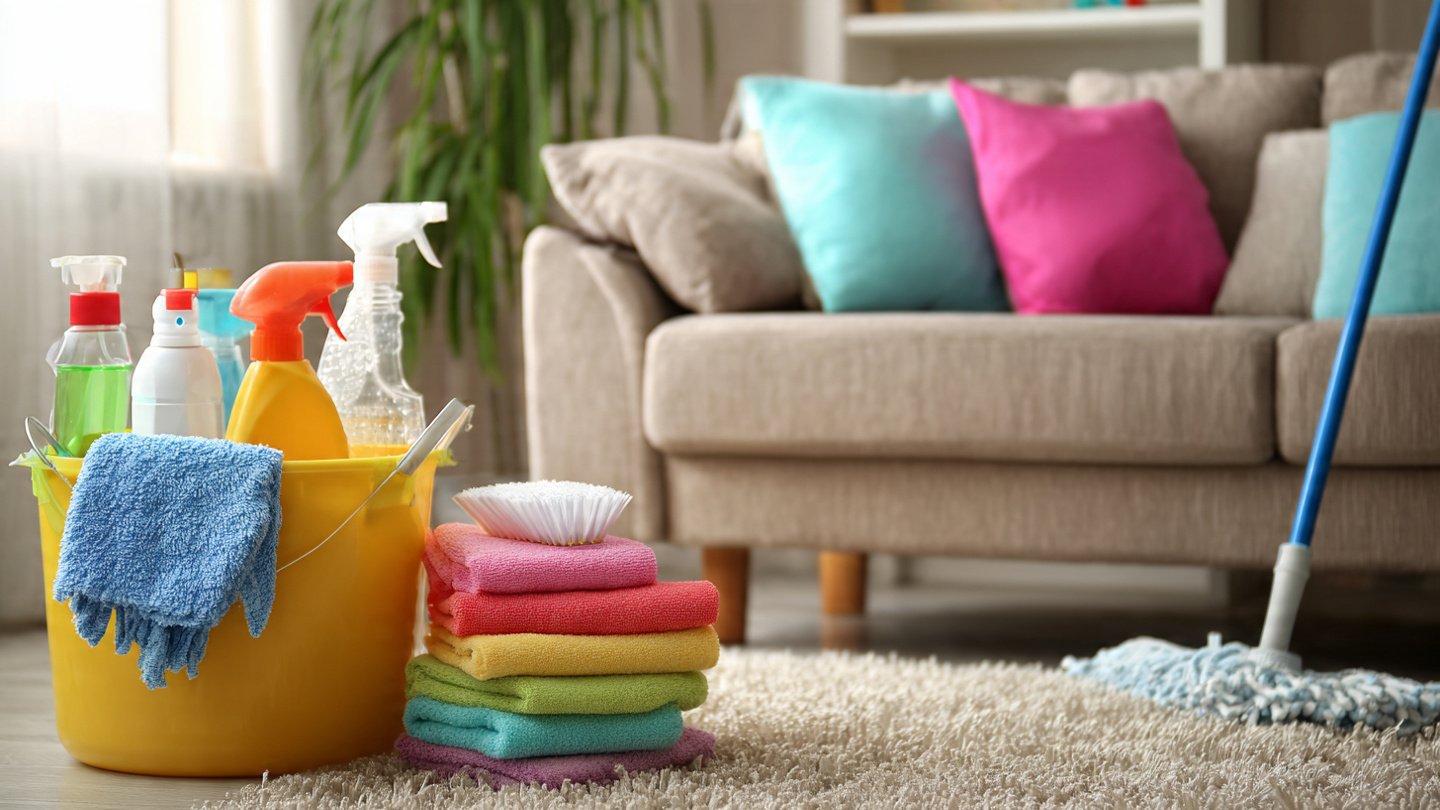
Cleaning is often viewed as a mundane chore, something we do just to maintain order in our living spaces. However, the act of cleaning can provide numerous benefits that go beyond mere aesthetics. In this article, we explore the hidden benefits of cleaning that not only offer a visual upgrade to your environment but also foster a sense of accomplishment and emotional well-being.
Cleaning can help declutter our homes and our minds, allowing us to focus better and feel more at ease. Let’s delve into the various ways that cleaning can impact our lives positively.
1. Psychological Boost
One of the most immediate advantages of cleaning is the psychological boost it offers. When you see a clean, organized space, it can instill a sense of calmness and control. Clutter can lead to feelings of anxiety and overwhelm. By tackling cleaning tasks, you are actively reducing that clutter and, consequently, the stress associated with it.
2. Enhanced Productivity
For many, a clean environment equates to a sharper mind. When your workspace is tidy, you can focus better on the tasks at hand, resulting in increased productivity. This is especially important in home offices, where distractions abound. Taking time to clean and organize can lead to a more efficient work session.
3. Accomplishment and Pride
Completing cleaning projects—whether big or small—can evoke feelings of pride and accomplishment. Checking off items from your cleaning list gives a sense of achievement that can uplift your mood. This sense of satisfaction can be incredibly motivating and encourage you to take on additional tasks, both in cleaning and other aspects of life.
4. Physical Health Benefits
Cleaning often involves physical activity, which can improve overall health. Dusting, vacuuming, and scrubbing can be a great workout, helping to maintain physical fitness. The heart rate tends to increase during such activities, which can lead to improved cardiovascular health.
5. Creating a Harmonious Living Space
A clean home promotes a sense of harmony and peace. The physical act of cleaning can be meditative, providing a break from technology and a return to simpler tasks. This can lead to reduced stress and heightened relaxation, making your home a sanctuary rather than a source of anxiety.
6. Boosting Creativity
Believe it or not, a clean work environment can stimulate creativity. When your surroundings are clutter-free, your mind can wander to new ideas without the distractions of a messy space. The act of organizing can also help organize thoughts, making it easier to brainstorm and think outside the box.
7. Improved Relationships
Cleaning can also affect your relationships. A clean and welcoming home can encourage family and friends to visit more often. Additionally, working together on cleaning tasks can foster teamwork and strengthen bonds, creating shared experiences that can enrich your relationships.
8. The Satisfaction of Decluttering
Decluttering goes hand in hand with cleaning and can be incredibly liberating. The act of removing items you no longer need can be a cathartic experience, helping you let go of the past and make room for the new. This process can provide a sense of renewal and clarity.
9. Sense of Control
In a fast-paced world where many aspects are out of our control, cleaning provides an opportunity to exert influence over our immediate environment. This sense of control can be empowering and can help anchor you when external circumstances seem chaotic.
10. Establishing a Routine
Incorporating cleaning into your daily or weekly routine can help instill discipline and create structure in your life. This routine can lead to increased organization and efficiency in other areas of your life, reinforcing positive habits and fostering a better work-life balance.
Conclusion
While cleaning may seem like a simple chore, its benefits extend far beyond a tidy home. From boosting psychological well-being and productivity to improving relationships and instilling a sense of accomplishment, the act of cleaning can positively influence our lives in numerous ways. So the next time you feel overwhelmed by clutter, remember that a little cleaning can provide a big emotional and psychological payoff.
FAQs
1. How often should I clean my home?
The frequency of cleaning can vary based on personal preference and lifestyle. However, a general guideline is to perform light cleaning daily, thorough cleaning weekly, and deep cleaning monthly.
2. What are the best cleaning techniques?
Using the right tools and techniques can enhance your cleaning efforts. Some effective techniques include using microfiber cloths for dusting, vinegar solutions for surfaces, and the two-bucket method for mopping to avoid spreading dirt.
3. Can cleaning really reduce stress?
Yes! Cleaning can create a sense of order and control, which can help alleviate feelings of stress and anxiety associated with clutter and chaos in your environment.
4. What should I do with items I don’t need anymore?
Items you no longer need can be donated, sold, or recycled. This not only clears clutter but also allows you to give items a new life and help someone in need.
5. How can I stay motivated to clean?
Setting small, achievable goals and creating a cleaning schedule can help maintain motivation. You might also reward yourself after completing cleaning tasks to make the experience more enjoyable!