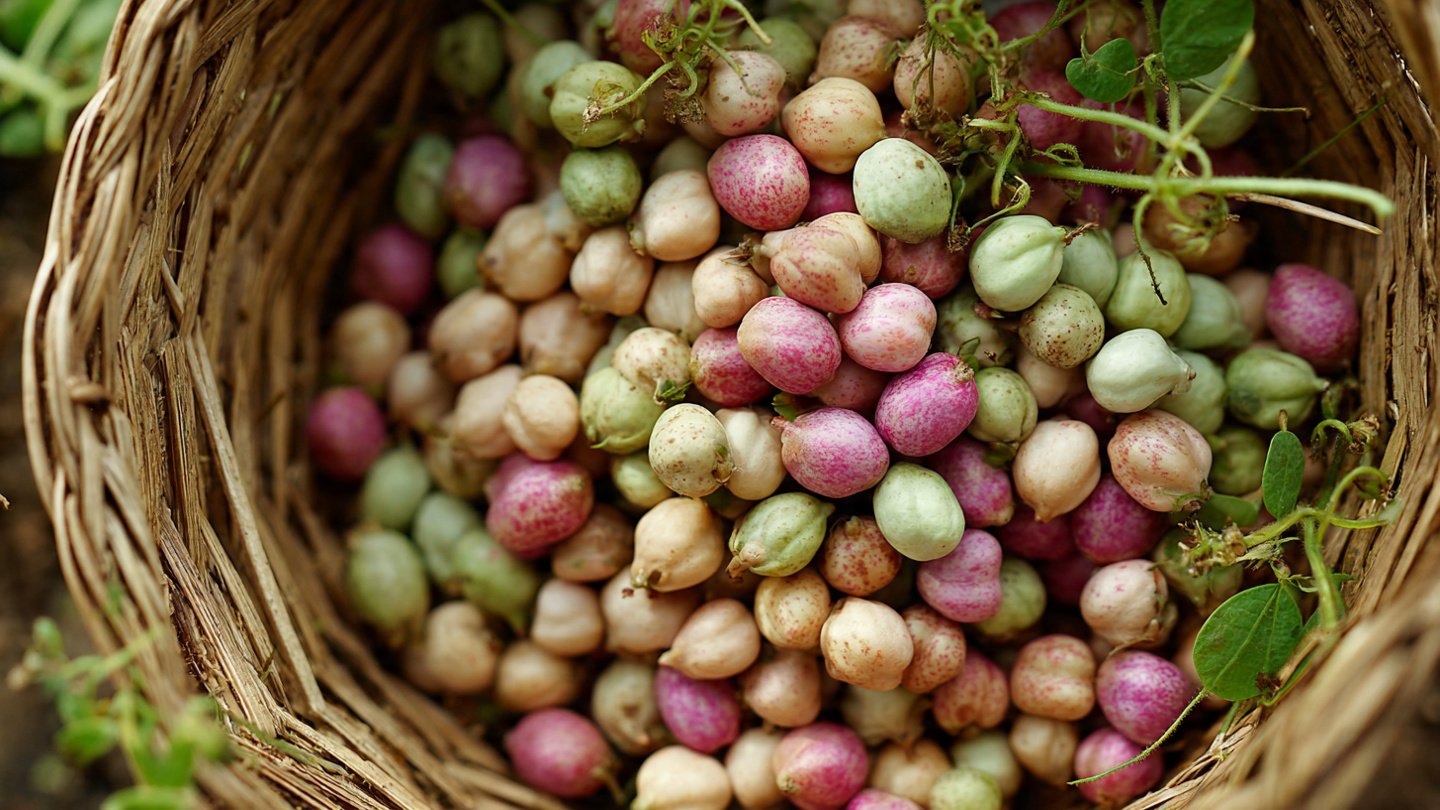
Chickpeas (Cicer arietinum), also known as garbanzo beans, are a nutritious and versatile legume that’s easy to grow in small garden plots. With the right planning and care, you can cultivate a healthy crop of chickpeas right in your backyard. This article explores the essential steps and best practices for growing chickpeas in a limited space.
Choosing the Right Varieties
When selecting chickpea varieties for your small garden, consider the following:
- Desi Chickpeas: These have a smaller seed and a rough coat. They are well-suited for textured dishes and are more drought-resistant.
- Kabuli Chickpeas: Larger with a smooth coat, these chickpeas are often found in canned forms and are milder in flavor.
Choose a variety that is suitable for your local climate and soil conditions.
Preparing the Soil
Chickpeas thrive in well-drained soil with a pH level between 6.0 and 7.5. Here’s how to prepare your soil:
- Choose the Right Location: Select a sunny spot that receives at least 6-8 hours of sunlight per day.
- Test Your Soil: Use a soil test kit to assess the pH and nutrient levels.
- Amend the Soil: If necessary, incorporate organic matter like compost or well-rotted manure to improve fertility and drainage.
- Till the Soil: Till the top 12 inches of soil to aerate and mix in amendments.
Sowing Seeds
Planting chickpeas is straightforward. Follow these steps:
- Timing: Plant chickpeas in late spring, once the soil temperature reaches at least 60°F (15°C).
- Sowing Depth: Sow seeds about 1-2 inches deep, spaced 3-4 inches apart.
- Row Spacing: Space rows about 18-24 inches apart to allow for air circulation and growth.
Water the seeds gently after planting to ensure good soil contact.
Watering and Fertilizing
Chickpeas have moderate water needs. Here’s how to manage their hydration:
- Watering: Water regularly but avoid waterlogging. Let the top inch of soil dry out between waterings.
- Fertilization: Chickpeas are legumes and can fix their nitrogen. However, applying a balanced fertilizer at planting time can promote strong growth.
Pest and Disease Management
While chickpeas are relatively resilient, they can be susceptible to certain pests and diseases:
- Pests: Aphids and root-knot nematodes can be problematic. Regularly inspect your plants and take action if you notice infestations.
- Diseases: Fungal diseases such as ascochyta blight can occur, especially in wet conditions. Crop rotation and selecting disease-resistant varieties can help mitigate this risk.
Implementing companion planting with aromatic herbs can also deter pests naturally.
Harvesting Chickpeas
Chickpeas are ready for harvest typically 100-120 days after planting. Look for the following signs:
- The leaves will start to yellow and wilt.
- Pods will change color to a brownish hue.
To harvest, pull the plants out by hand or use a small garden fork to gently uproot them. Hang the plants upside down in a cool, dry place to allow the peas to finish drying out.
Storing Chickpeas
Once dried, you can store your chickpeas in airtight containers. Keep them in a cool, dark place. Properly stored, dried chickpeas can last up to a year.
Conclusion
Growing chickpeas in a small garden plot is a rewarding endeavor that provides not just a nutritious crop but also an opportunity to engage with gardening. By following the steps outlined above—from selecting the right variety and preparing the soil to managing pests and harvesting—you can enjoy a bountiful yield of chickpeas. Moreover, these legumes can easily fit into various dishes, adding both flavor and nutrition. So dig into your gardening project today and enjoy the fruits (or beans!) of your labor!
FAQs
1. Can chickpeas be grown in containers?
Yes, chickpeas can be successfully grown in large containers as long as they have adequate drainage and sunlight. A container of at least 5 gallons is recommended.
2. How long does it take for chickpeas to germinate?
Chickpeas typically germinate in 7 to 14 days, depending on soil temperature and moisture levels.
3. Do chickpeas require a lot of water?
Chickpeas prefer moderate watering. It’s essential to allow the top layer of soil to dry out between watering sessions to prevent root rot.
4. Are chickpeas frost-tolerant?
Chickpeas are not frost-tolerant and should be planted after the last frost date in your area to ensure successful growth.
5. Can I grow chickpeas from dried store-bought beans?
Yes, you can grow chickpeas from dried beans, but ensure they are untreated and suitable for planting.