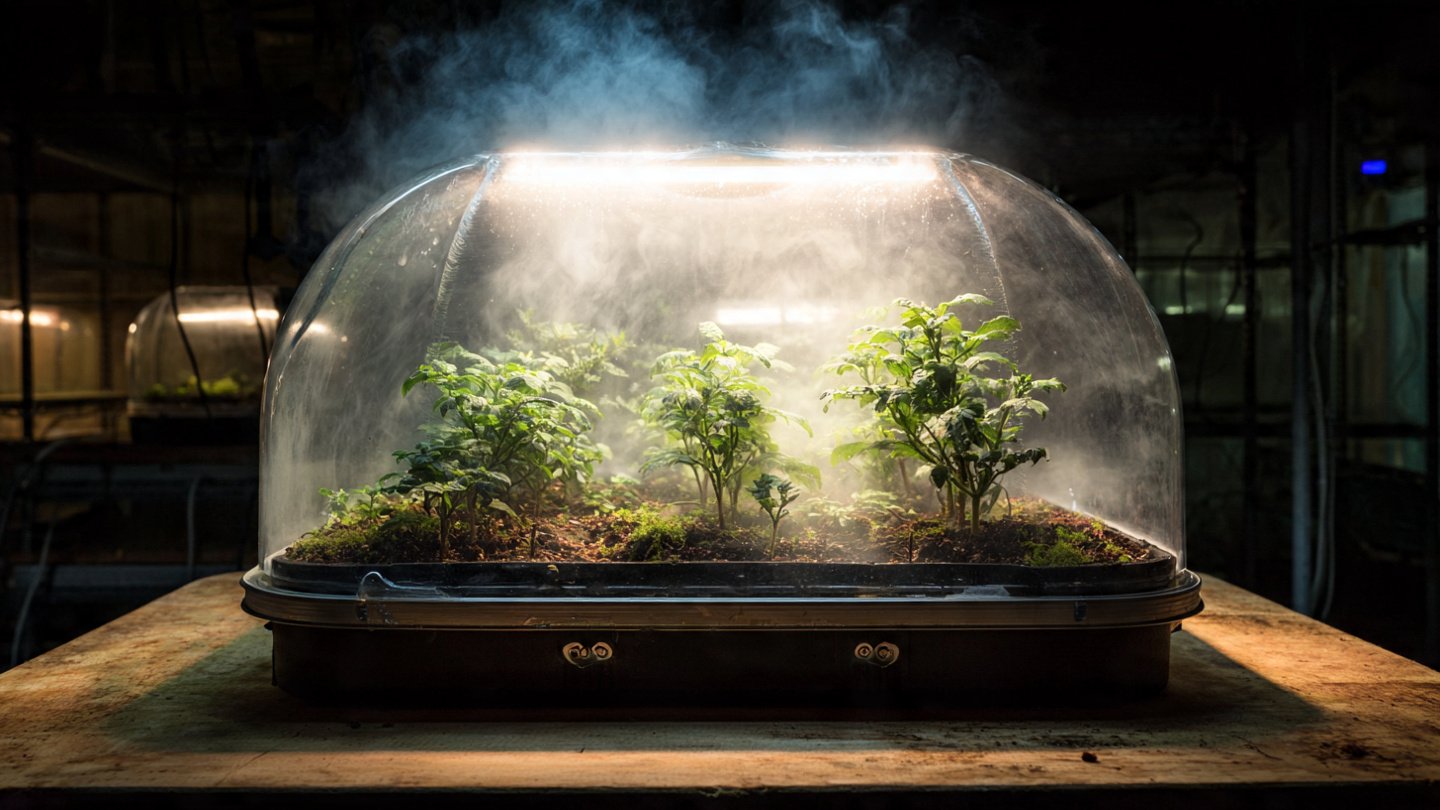
Propagation is a critical step in gardening that allows gardeners to cultivate new plants from seeds, cuttings, or divisions. However, successful propagation requires a careful balance of moisture, light, and temperature. A humidity dome can be a transformative tool in achieving these needs. But how exactly can this seemingly simple device enhance your propagation project? Let’s dive into the details.
Understanding a Humidity Dome
A humidity dome is essentially a transparent cover, usually made from plastic, that helps to maintain high humidity levels around seedlings or cuttings. These domes serve another crucial function: they help to trap heat and create a microclimate that promotes optimal growth conditions.
Benefits of Using a Humidity Dome
Integrating a humidity dome into your propagation efforts comes with numerous advantages:
- Improved Germination Rates: Many seeds require specific humidity levels to germinate. A humidity dome can create the perfect environment for these sensitive plants, resulting in improved germination rates.
- Reduced Transplant Shock: When seedlings are transplanted, they often experience shock, affecting their growth. By keeping the seedlings in a humidity dome until they are well-established, you can minimize this shock.
- Protection from Pests: The transparent cover of a humidity dome not only provides humidity but also creates a barrier against pests. This reduces the risk of infestations that can devastate young plants.
- Consistent Temperature: Humidity domes can trap heat, helping to maintain a consistent temperature that is essential for seedling growth.
- Water Conservation: Less water evaporates in a humid environment, so the plants require less frequent watering.
How to Use a Humidity Dome Effectively
Maximizing the benefits of a humidity dome entails some best practices:
1. Choose the Right Size
Select a dome that is appropriately sized for your growing area. A dome that is too large may not maintain humidity effectively, while a small dome may not accommodate your growing plants.
2. Monitor Moisture Levels
While humidity domes help to retain moisture, it is essential to regularly check the soil moisture levels. Avoid overwatering, as this can lead to mold growth or root rot. Use a moisture meter if needed.
3. Ventilation is Key
Plants need fresh air to thrive, so it’s vital to provide ventilation. Many humidity domes have adjustable vents. Open these gradually to help your plants acclimatize to lower humidity levels before transferring them outside or into a different environment.
4. Use Grow Lights Wisely
If you are using the humidity dome indoors, consider utilizing grow lights. Position them above the dome for optimal light exposure, ensuring the seedlings get sufficient light without overheating.
The Right Timing for Your Humidity Dome
Timing is critical when using a humidity dome:
- For seedlings: As soon as the seeds are sown, place the humidity dome over them until they germinate.
- For cuttings: Keep the dome over the cuttings as they establish roots, typically for a few weeks.
Common Mistakes to Avoid
While using a humidity dome can be beneficial, avoiding common pitfalls is crucial:
- Neglecting Airflow: Failing to provide ventilation can lead to mold and mildew. Always remember to open the vents or remove the dome periodically.
- Ignoring Temperature Changes: Be mindful of how temperature fluctuations affect your plants. Avoid placing the dome near heat sources to prevent overheating.
- Leaving it on Too Long: Once plants are established, remove the dome to allow for air circulation and to acclimatize them to outdoor conditions.
Conclusion
A humidity dome can significantly enhance your propagation project by creating an optimal microclimate for seedling growth. From improving germination rates to minimizing transplant shock, the benefits are cleaving. With proper use and monitoring, you can turn your propagation efforts into a success story.
FAQs
1. How long should I keep the humidity dome on my seedlings?
You should keep the humidity dome on your seedlings until they germinate and begin to grow true leaves. This typically takes about 1-2 weeks, depending on the plant species.
2. Can I use a humidity dome for all plant types?
While humidity domes are beneficial for most plants that require a moist environment, some plants prefer drier conditions and may not thrive under high humidity. Always research the specific needs of your plants.
3. What materials are humidity domes made of?
Most humidity domes are made from clear plastic, allowing light to penetrate while retaining moisture. Ensure the material is sturdy and UV resistant for longer-lasting use.
4. Should I place my humidity dome in direct sunlight?
It’s generally best to place your humidity dome in a location with bright, indirect sunlight. Direct sunlight can lead to overheating inside the dome, which can damage seedlings.
5. What can I do if I notice mold growth inside the dome?
If you notice mold growth, remove the dome immediately and allow the plants to dry out for a period. You may also need to lower humidity levels or improve airflow to prevent future occurrences.