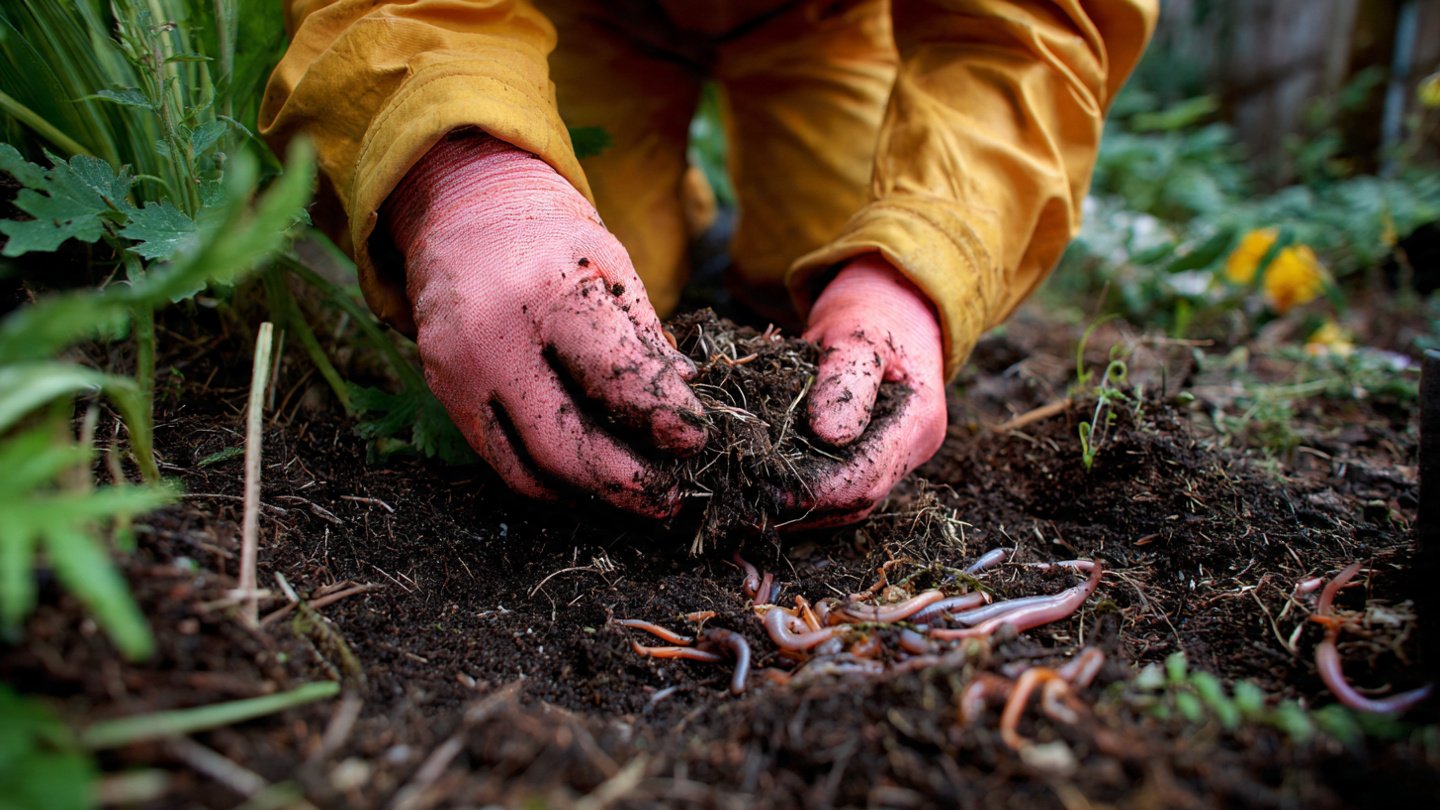
Gardening is an enriching activity that allows individuals to connect with nature while cultivating their own plants, vegetables, and flowers. A key component of a successful garden lies in the quality of the soil. Soil health can greatly impact plant growth, and one of the most effective ways to enhance soil health is by adding worms, especially composting worms like Eisenia fetida or red wigglers. This article explores how incorporating more worms into your garden can significantly transform your soil, leading to a more productive and sustainable garden.
The Role of Worms in Soil Health
Worms play several crucial roles in maintaining and improving soil health, including:
- Soil Aeration: As worms burrow into the soil, they create channels that enhance aeration. This allows air to penetrate deeper into the soil, promoting healthier root systems.
- Nutrient Cycling: Worms are excellent recyclers. They break down organic matter like decaying leaves, plant material, and food scraps into enriched worm castings, which are packed with vital nutrients.
- Improved Water Retention: Worm castings improve the soil’s structure, increasing its ability to retain moisture. This means less frequent watering, which is beneficial in periods of drought.
- Beneficial Microbe Activation: Worms help to stimulate the growth of beneficial microorganisms in the soil, which play a vital role in nutrient availability for plants.
Types of Worms Beneficial for Your Garden
While there are many types of worms, not all of them are equally beneficial for gardening. The most commonly used worms for soil improvement include:
- Red Wigglers (Eisenia fetida): Known for their voracious appetite, they are great for composting and thrive in rich organic material.
- European Nightcrawlers (Lumbricus rúbricus): These worms are larger than red wigglers and are effective in both composting and soil aeration.
- Common Earthworms (Lumbricus terrestris): Often found in gardens, they are beneficial for aerating and mixing soil layers.
How to Introduce More Worms to Your Garden
Introducing more worms into your garden doesn’t require a significant amount of effort. Here are some steps you can take:
1. Establish a Worm Bin
Consider setting up a worm composting bin. A bin can be made from plastic storage containers or wooden boxes, and should be kept in a shaded area. Add kitchen scraps like fruit and vegetable peelings, coffee grounds, and shredded newspaper as bedding for the worms.
2. Use Organic Matter
Adding organic matter, such as decomposed leaves, grass clippings, or kitchen waste, will create a favorable environment for worms. Over time, these materials will attract and sustain a larger worm population.
3. Use Worm Castings
Purchase worm castings from a local supplier or harvest your own from your worm bin. Mixing worm castings into your garden soil will both introduce more worms and enrich the soil immediately.
4. Maintain Moisture Levels
Ensure that the soil remains moist—not soggy—as worms require a humid environment. Frequent, light watering can help maintain ideal conditions for them.
5. Avoid Chemicals
Limit the use of chemical fertilizers and pesticides, as they can harm the worm population in your garden. Opt for organic alternatives that enhance soil health without adverse effects.
The Long-term Benefits of Adding Worms
Incorporating more worms into your garden soil comes with several long-term advantages:
- Sustainable Gardening: Worms help create a self-sustaining ecosystem within your garden, minimizing the need for chemical interventions.
- Increased Biodiversity: A healthy worm population can support a wide range of other beneficial organisms, contributing to a balanced garden ecosystem.
- Higher Crop Yields: Improved soil quality often leads to healthier plants which, in turn, yield larger and more flavorful produce.
- Environmental Responsibility: Using worms is an eco-friendly method to enhance soil fertility, reducing your carbon footprint.
Conclusion
Transforming your garden soil with the addition of worms is one of the simplest yet most effective methods to improve soil health and boost plant productivity. Worms enrich the soil by aerating it, enhancing nutrient cycling, and promoting moisture retention. By establishing a worm-friendly environment, you’ll not only cultivate healthier plants but also contribute to a sustainable gardening practice. Whether you’re aiming to enhance your vegetable patch or maintain a beautiful flower garden, adding more worms is a step toward achieving a thriving and bountiful garden.
Frequently Asked Questions (FAQs)
1. How many worms do I need to add to my garden?
The number of worms depends on the size of your garden. A good starting point is to introduce about one pound of worms per square foot of garden space. Monitor their population and adjust as needed.
2. Can I just use earthworms from my backyard?
Yes, but it’s usually better to use composting worms like red wigglers. They reproduce faster and consume organic material more efficiently, benefiting your garden more significantly.
3. What should I do if my worms seem to be dying?
Check the soil conditions: they may be too dry, too wet, or lacking in food. Adjust moisture levels and add more organic material if necessary.
4. Do worms invade nearby gardens?
No, worms typically remain in the soil environment where they are introduced and will not invade other gardens unless the conditions are similarly favorable.
5. How long does it take to see results after adding worms?
It usually takes a few weeks to several months to notice significant improvements in soil structure and fertility. Regular monitoring and care will expedite the process.